Top 10 Robot Cafe Manufacturers for Global Buyers
A Robot Cafe can turn a compact counter into a visible, automated service point. It may prepare coffee consistently, attract curious customers, and reduce repetitive tasks. Yet automation alone does not guarantee a successful business. Buyers must assess the whole operating system, not just the robot arm or polished exterior.
This guide introduces ten manufacturers serving international buyers, with attention to practical factors that shape real deployments. These include drink options, daily capacity, footprint, payment and ordering integration, cleaning routines, training, spare parts, and after-sales support. A machine that performs well in a showroom may behave differently during a busy morning rush. Small details matter: cup placement, milk refills, cleaning access, and the time needed to resolve a fault. They deserve close inspection.
The list is a starting point, not a universal ranking. Manufacturers differ in product scope, customization, service coverage, and experience across regions. Global buyers should confirm specifications directly, request demonstrations, and speak with operators using comparable equipment. Check how each supplier handles installation, staff training, software updates, and maintenance in the intended market. Local requirements also vary, so verify them with qualified advisers before ordering. Some claims can be difficult to compare fairly. That is worth admitting. A lower purchase price may not mean lower operating costs, while an impressive feature may add little value to a particular site. The right choice depends on customers, location, budget, and dependable support—not on novelty alone.
What Robot Cafe Manufacturers Produce and How Their Systems Work
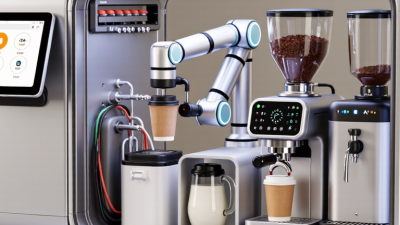
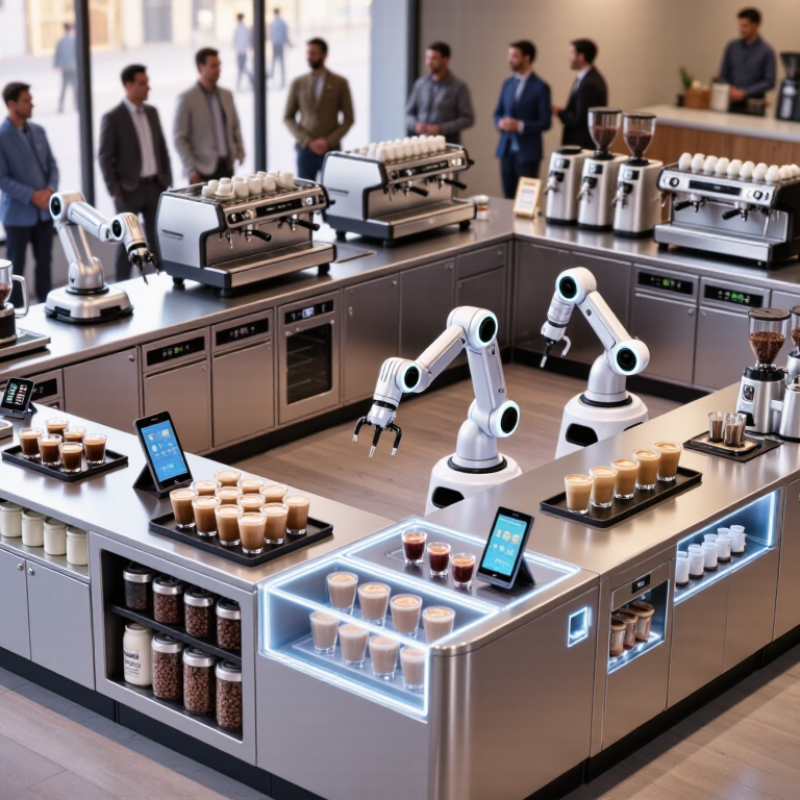
Robot cafe manufacturers produce more than robotic arms. Their systems may include drink dispensers, coffee grinders, refrigeration, order screens, payment terminals, and collection cabinets. Some suppliers build complete kiosks, while others integrate equipment from several specialist manufacturers. The exact setup depends on the menu, expected order volume, and available floor space. Small details matter.
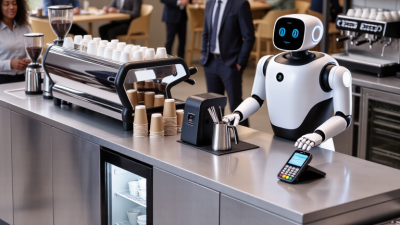
A typical coffee order starts at a touchscreen or mobile interface. Software sends the drink recipe to equipment that measures ingredients and guides the preparation sequence. Sensors can check positions, temperatures, or supply levels, while a control system coordinates each step. A finished drink may move to a numbered pickup bay, where a screen or notification tells the customer it is ready. Not always seamless.
For buyers, the useful questions are practical: How often must milk or beans be replenished? Can staff reach the machine safely for cleaning? What happens when a cup jams or an ingredient runs out? Remote monitoring can help flag faults, but it does not replace on-site service. A robot may repeat a recipe consistently, yet unusual orders and busy rushes still expose weak points. The system needs testing under real operating conditions.
Core Technologies Behind Automated Cafe Operations
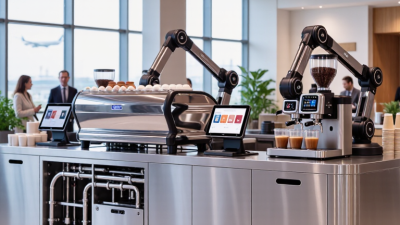
Automated cafe operations depend on several technologies working together, not just a robotic arm. Machine vision locates cups and checks fill levels, while precise motion control guides pouring, stirring, and handoffs. Sensors can detect a misplaced cup or an obstructed workspace. Small errors still happen.
The International Federation of Robotics reported nearly 205,000 professional service robots sold worldwide in 2023, up 30% from 2022. Its World Robotics 2024 report also recorded about 54,000 hospitality robots sold that year. These figures signal growing deployment, but they do not prove that every cafe task is ready for automation. A crowded counter and changing cup sizes remain practical tests.
Reliable systems also connect equipment with ordering, payment, and inventory software. A drink ticket should translate into clear steps; stock data should flag low milk before the morning rush. Manufacturers need to validate cleaning routines, temperature control, and safe pauses when people enter work areas. Downtime matters. Operators should track order accuracy, service time, and maintenance frequency in real shifts, not only demonstrations. Even careful calibration cannot make every espresso identical. That gap deserves honest reporting.
Criteria for Evaluating Manufacturers for Global Markets
Top 10 Robot Cafe Manufacturers for Global Buyers
Criteria for Evaluating Manufacturers for Global Markets
A robot café must work beyond a showroom: it needs steady service during rushes, reliable cleaning, and support when a part fails.
The International Federation of Robotics reported about 205,000 professional service robots sold worldwide in 2023, up 30% year over year. This figure covers many sectors, not cafés alone. Still, it signals a growing deployment ecosystem, not proof that any single machine will suit your operation.
Compare manufacturers on practical evidence: drinks per hour under real workloads, recovery time after errors, cleaning steps, and spare-parts availability in your region. Ask for a live trial using your cups, ingredients, and payment flow. Watch the machine handle an empty ingredient bin. Small details matter.
Also check whether manuals, remote diagnostics, and staff training are available in the languages your team uses. A slick demonstration can hide awkward maintenance.
For cross-border purchasing, assess voltage, connectivity, shipping, installation, and local service coverage before comparing prices. Request references from operators with similar foot traffic and menus, then verify uptime claims against service logs.
IFR’s 2024 service-robot report is useful market context, but it does not provide café-specific reliability benchmarks. That gap deserves attention.
Buyers should set their own acceptance targets and record performance during a pilot; even a careful test may miss seasonal demand or unusual site conditions.
Profiles of Ten Robot Cafe Manufacturers
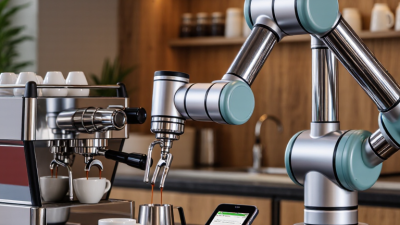
Robot café manufacturers vary in what they build and support. These ten profiles describe common capabilities, not endorsements of specific companies. A modular-cell maker offers units that fit tight spaces. An arm specialist focuses on reach, grip, and repeatable cup handling. An espresso-focused producer connects grinders, brewing equipment, and robotic movement. A tea specialist may automate steeping, ice, and measured toppings. Details matter.
A bakery-pairing manufacturer coordinates drinks with chilled or heated food storage. A high-throughput builder designs queues around peak periods and quick cleaning. A compact-site producer prioritizes small footprints, clear access, and refill routines. A software-led maker emphasizes order screens, payment connections, and remote status checks. A service-centered supplier plans for spare parts and technician response. A turnkey provider combines equipment, installation, and staff training.
Buyers should ask for measurable evidence: drinks per hour, cleaning time, uptime records, and local service coverage. Watch a live demonstration, not only a polished video. Ask how the machine handles a misaligned cup or an empty ingredient container. Still, no design is perfect. A quieter, smaller robot may serve fewer drinks; a faster system may need more space and maintenance. The right profile depends on the menu, site, and staff who will operate it.
Comparing Product Range, Customization, and International Support
Global buyers comparing robot café manufacturers should look beyond the headline drink count. A useful product range may include robotic coffee arms, compact kiosks, and modular stations for busy venues. Yet more options do not automatically mean a better fit. Ask for videos of the exact workflow, including cup loading, milk handling, cleaning, and recovery after a failed order. Small details matter.
Measure customization in practical terms: menu settings, cup sizes, payment interfaces, counter dimensions, and language options. Request a written scope, a sample interface, and a schedule of change costs before approving a design. Some suppliers use “custom” to describe exterior changes only. That distinction can surprise an operator.
International support deserves equal scrutiny. Confirm installation coverage, training hours, spare-part availability, response times, and remote diagnostics in your destination. Ask who handles local maintenance and what happens when connectivity drops. An impressive machine may still be difficult to operate far from its service team. No comparison table can settle every point; test a live demonstration with your own recipes and staffing assumptions. Documentation can be uneven, so allow time to review it carefully.