How to Choose a Robot Serving Coffee for Your Business?
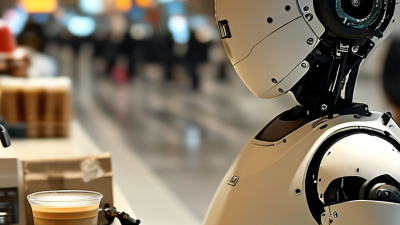
Choosing a Robot Serving Coffee is not simply a matter of selecting the most attractive machine. It is a business decision involving service speed, customer trust, operating costs, and daily reliability. A robot may prepare a cappuccino in a bright shopping mall, yet struggle in a crowded office lobby with narrow walkways and changing queues. Real conditions matter.
Begin by examining your customer flow. How many drinks are sold during peak hours? Can the robot handle customized orders, takeaway cups, and payment systems without constant staff assistance? Ask suppliers for performance records, maintenance schedules, safety certifications, and references from similar businesses. A polished demonstration is useful, but it does not reveal everything. Request a live trial during your busiest period.
Hygiene deserves careful attention. Check how milk lines, nozzles, touchscreens, and waste containers are cleaned. Confirm who performs routine maintenance and how quickly technical support responds. Reliable vendors should explain these processes clearly, without hiding behind impressive marketing. The best choice may not be the fastest robot. It may be the one that remains dependable after months of repetitive service.
Cost calculations should include installation, software, ingredients, repairs, training, and electricity. Customer experience also matters. Some guests may enjoy watching automated brewing, while others still want a friendly human interaction. A hybrid model could work better than full automation. That assumption can fail, though, if staffing and floor space are limited. Careful testing, honest feedback, and measurable goals will help you decide whether a Robot Serving Coffee can genuinely improve your business.
Define Your Business Needs for a Coffee-Serving Robot
Define the business need before choosing a coffee-serving robot. The National Coffee Association’s Spring 2024 report found that 67% of American adults drank coffee the previous day. That signals demand, not guaranteed sales. Measure your own traffic by hour, average ticket, peak queues, and repeat purchases. A robot serving 80 cups daily may fit a small office, but fail in a busy transport hub.
Specify the job clearly. Will the robot prepare espresso, pour filtered coffee, deliver drinks, or handle payments? Record cup sizes, milk options, temperature limits, cleaning time, and counter space. The International Federation of Robotics reported 541,302 industrial robots installed worldwide in 2023. However, coffee service has different risks. Food contact, spill control, customer guidance, and sanitation require human oversight. The robot should support staff, not simply replace them.
Calculate the full operating cost. Include installation, software, maintenance, water filtration, consumables, training, and downtime. Compare these costs with labor hours saved and additional sales during rush periods. A pilot lasting four to eight weeks can reveal practical problems. Customers may dislike slow handoffs. Staff may need more training than expected. The machine may look impressive and sell fewer drinks. That is uncomfortable, but useful. Track service time, remake rates, cleaning minutes, customer complaints, and revenue per operating hour. The Food and Agriculture Organization also emphasizes strict hygiene controls throughout food handling, so sanitation procedures must be documented before launch.
Compare Robot Types, Features, and Service Capabilities
How to Choose a Robot Serving Coffee for Your Business?
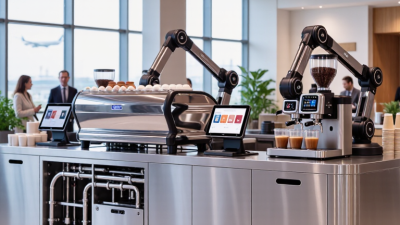
Choosing a coffee-serving robot starts with service goals, not appearance. A fixed robotic arm suits counters with stable layouts and repeatable drink recipes. It can steam milk, position cups, and pour with consistent movement. A mobile robot adds table delivery, but requires clear floors, reliable navigation, and staff coordination. Kiosk-style systems handle ordering and payment in a compact footprint. They may offer less human interaction.
Compare core features carefully. Check brewing speed, cup-size flexibility, ingredient monitoring, cleaning access, and emergency stop controls. A strong system should record faults and guide staff through routine maintenance. Ask how it performs during a busy morning, not just during a demonstration. Service capacity matters too. Can one worker refill ingredients, clear spills, and solve minor errors? If every fault needs a technician, labor savings may disappear.
Test the robot in your real space. Measure queue length, counter height, lighting, noise, and customer movement. A robot serving twenty drinks per hour may suit a small office, but struggle in a busy café. Request evidence from comparable installations and review uptime terms, training, spare parts, and remote support. No robot is perfect. Sensors can misread a crowded counter. That matters. Leave room for human judgment, because a calm explanation often helps a frustrated customer.
Evaluate Coffee Quality, Workflow, and Customer Experience
Choosing a robot that serves coffee requires more than watching a smooth demonstration. Coffee quality, workflow, and customer experience must work together during busy service.
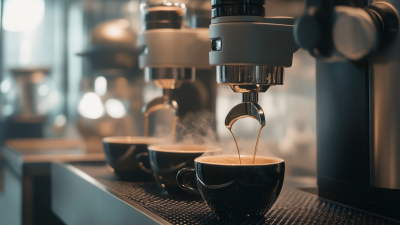
The National Coffee Association’s Spring 2024 National Coffee Data Trends report found that 67% of American adults drank coffee the previous day. That demand exposes weak systems quickly. Test espresso extraction, milk texture, serving temperature, and drink consistency across several hours. Measure each cup, not just the first one. A reliable setup should record grinder settings, cleaning times, and temperature changes. Staff should also understand the machine’s limits. Robots still need human oversight.
Workflow deserves equal attention. Project Café USA 2024 estimated the United States branded coffee-shop market at about 47.5 billion dollars. In that environment, every unnecessary touch can increase waiting time. Observe ordering, payment, preparation, pickup, refills, and error recovery. Track average service time and peak-hour queue length. A robot may perform perfectly in a quiet showroom. It may struggle beside a crowded entrance. That weakness matters. Leave space for manual intervention, especially when a customer changes an order.
Customer experience is less mechanical than it appears. Test voice prompts, screen readability, accessibility, and visible hygiene. Explain preparation delays honestly. Offer a clear human contact when the robot fails. Customers may enjoy the novelty once, but they return for dependable taste and respectful service. A cheerful motion cannot repair a lukewarm latte. Run a small pilot, gather customer comments, and change the workflow before expanding.
Assess Costs, Safety Standards, and Maintenance Requirements
Choosing a robot that serves coffee requires more than an impressive demonstration. Cost includes purchase, installation, staff training, software fees, and spare parts. Request a five-year estimate, not a showroom quote. A busy café may need faster service, while a quiet lobby may never recover the investment. Measure cups per hour and peak waiting times first. Numbers expose wishful thinking. They do not solve everything.
Safety should be checked before speed. Require documented compliance with applicable electrical, machinery, fire, and food-contact requirements in your market. Confirm emergency stops, guarded moving parts, heat protection, spill control, and safe human-robot spacing. Staff should stop the machine without searching for a hidden switch. Keep cleaning tools separate from chemicals and food supplies. Review allergen controls and temperature logs. A polished exterior can hide weak procedures. I have seen teams trust certification alone. That is not enough. Verify its scope, date, and maintenance conditions.
Tips: Compare preventive-maintenance schedules, response times, and technician availability. Budget for filters, seals, calibration, cleaning, and unexpected downtime. Request a live trial using your cups, menu, and busiest shift. Record failure recovery time. Ask who manages operational data and software updates. Train at least two employees per shift. One person is fragile coverage. Recheck the plan after thirty days, because real usage may challenge your original assumptions.