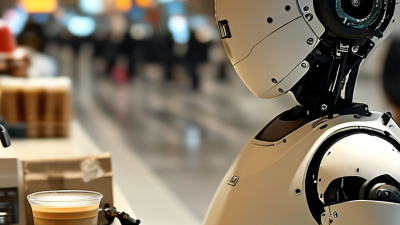
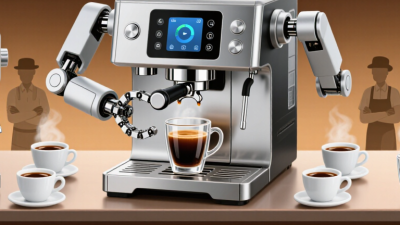
Coffee shops are under pressure to serve quickly without making every cup feel generic. The National Coffee Association’s 2024 National Coffee Data Trends report found that 67% of American adults had coffee in the past day. That demand makes consistency valuable, especially when a queue forms beside the espresso machine.
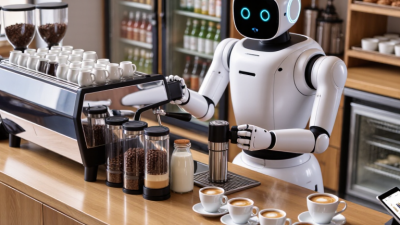
A Coffee Robot can automate grinding, dosing, extraction, and milk preparation. But a polished demo is not the same as a dependable service shift. The International Federation of Robotics reported approximately 205,000 professional service robots sold worldwide in 2023. That figure covers many sectors; it does not measure coffee robots alone. Café X founder Henry Hu has discussed robotics as a way to improve coffee service speed and consistency. His work offers a useful reminder: automation must improve the customer experience, not just look impressive.
This 2026 guide compares ten coffee robots for cafés and businesses, with attention to drink quality, operating capacity, footprint, maintenance, and integration. Picture a compact counter, a steady morning rush, and a machine that needs cleaning before lunch. Those details matter. So do installation costs and staff training. Not every café needs a robot. Some businesses may find that a skilled barista and a well-designed workflow remain the better fit.
The 2026 market for cafe coffee robots needs a clear starting point. The International Federation of Robotics recorded 205,000 professional service robots sold worldwide in 2023. That figure covers many service applications, not coffee robots alone. It signals a broad market, but it cannot tell cafe owners how many machines make espresso or serve customers.
In a cafe, the useful question is what work a robot can reliably handle. A machine might prepare repeatable drinks, move cups, or support service during a rush. But a crowded counter, changing orders, and milk residue can complicate a task that looks simple in a product demonstration. Small details matter: counter space, cleaning time, drink consistency, and how staff respond when a machine pauses. Some of these trade-offs are easy to underestimate.
For a business comparing options, sales figures are context, not a purchase recommendation. Ask vendors for measured output, typical downtime, maintenance needs, and staffing assumptions. Compare those numbers with actual orders across quiet and busy shifts. The IFR total does not reveal whether a particular cafe will save money or improve service. That gap deserves attention. Even a careful comparison may miss local workflow problems until the robot is tested in the real space.

IFR’s World Robotics 2024 report recorded about 54,000 professional service robots sold for hospitality in 2023. That figure signals growing adoption, but it is not a count of coffee-making robots alone. The category includes different hospitality tasks, so cafes should not treat the number as a direct forecast of robot-barista demand. Still, it points to a real shift: automation is moving into customer-facing work, not just factory floors.
For a cafe, the practical question is where a robot eases a bottleneck. Picture the morning rush: cups stacking near the espresso machine, orders changing, and one staff member covering several tasks. A robot may help with repeatable drink preparation, while people handle exceptions and conversation. Results depend on layout, menu complexity, cleaning routines, and staff training. I would be cautious about assuming a robot automatically saves labor; setup and supervision take time, too. That part is easy to underestimate.
Tips: Track orders per hour, remake rates, and staff time before and after a trial. Compare like shifts, and include maintenance downtime. IFR’s 54,000 figure is a useful adoption signal, not proof that every cafe needs automation. Small sample sizes can mislead. Keep checking.
In 2024, 67% of U.S. adults reported drinking coffee the prior day, according to the National Coffee Association. That is a striking daily habit, but it is not a forecast for every café. Local foot traffic, opening hours, and menu preferences still shape demand. A commuter district may see a sharp queue at 8 a.m.; a neighborhood shop may have steadier, smaller waves. The national figure offers useful context, not a staffing plan.
For cafés and other businesses considering coffee robots in 2026, the practical question is where repeat orders create pressure. A robot may help prepare consistent drinks during a rush, but it still needs replenishment, cleaning, and a clear handoff area. Watch the queue, not just the machine’s output. Track cups sold by hour, milk use, drink modifications, and abandoned orders for several weeks. Compare busy weekdays with quieter afternoons before changing workflows. I may be overreading one national statistic; it cannot predict what customers in one lobby will order. Small trials and staff feedback matter. A cup should arrive hot and correctly made, without making the counter harder to navigate.
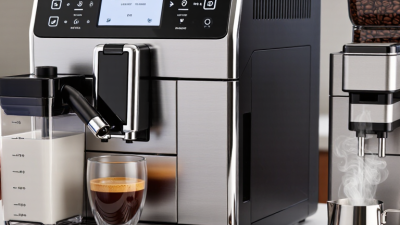
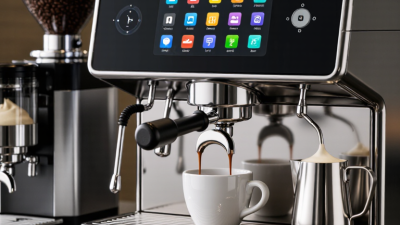
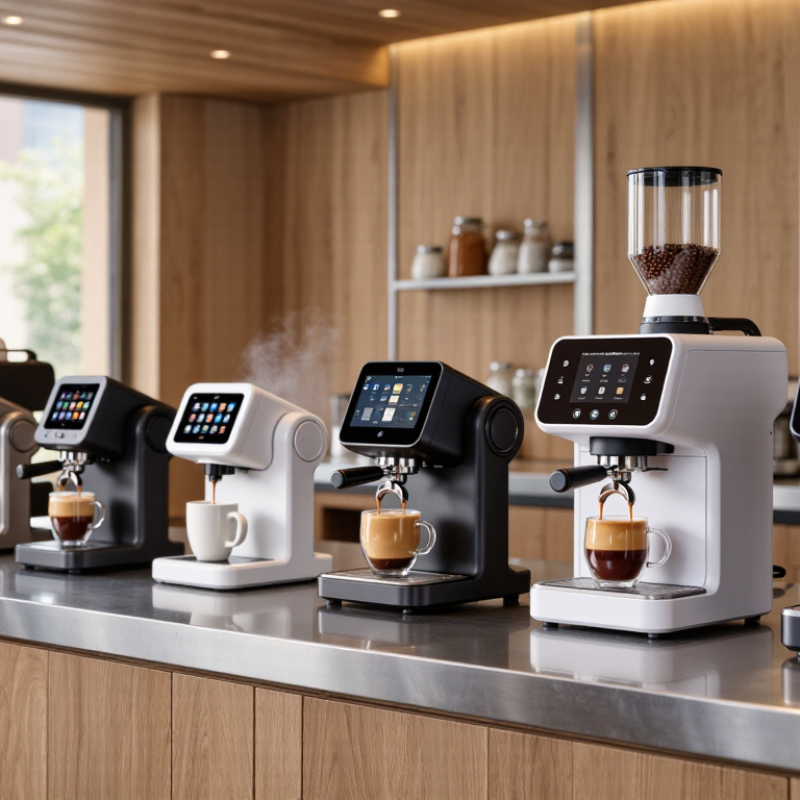
Coffee robots differ by workflow, not just appearance. A compact bean-to-cup unit grinds and serves one drink at a time, fitting small offices. A robotic espresso station handles grinding, tamping, and extraction for busy cafés. A capsule-based unit simplifies training but offers fewer drink adjustments. A batch-brew robot suits breakfast counters, where steady cups matter more than espresso variety. A mobile coffee cart serves events, though its water and power limits can slow service.
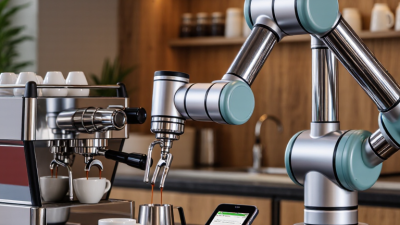
For larger venues, a self-service kiosk reduces ordering steps but still needs restocking. A latte-art robot adds visual flair; its extra motion may not increase cup output. A cold-coffee station works well in warm-weather locations and needs reliable ice supply. A multi-arm system can support heavy demand, but requires more floor space and careful maintenance. A countertop robot suits narrow cafés, though its smaller ingredient capacity means more frequent refills. Real output depends on the menu, staff handoffs, and cleaning time.
Tips: Match the robot to your busiest 30-minute period, not your daily average. Watch a full service cycle, including milk refills and rinsing. Ask how errors are handled. Small delays add up, and I would not assume every advertised workflow fits a real rush.
IFR’s World Robotics 2024 report counted about 205,000 professional service robots sold in 2023. That was 30% above 2022. The figure spans many industries, not coffee robots alone. Treat it as a deployment signal, not a café-sales forecast.
The National Coffee Association’s 2024 National Coffee Data Trends report found that 67% of U.S. adults drank coffee the previous day. That points to a frequent service occasion, but it does not prove customers want robotic service. A useful caveat.
For a 2026 top-ten comparison, strong business fit starts with compact espresso systems in busy venues, then extends to modular units for offices, hotels, and transport hubs. Rank each option by peak-hour cups, refill frequency, cleaning time, footprint, and human handoff.
Picture the 8:30 a.m. queue: a machine may make consistent drinks yet lose time during milk replenishment. Test uptime and service response across a full operating week, not just a polished demo.
Not every café. Smaller shops may prize counter space and easy cleaning over theoretical speed. That trade-off is easy to underestimate.