7 Tips for Choosing the Best Coffee Machine Robot?
Choosing a Coffee Machine Robot is not simply a matter of selecting the most expensive model. It is about matching technology with your daily coffee habits. A polished touchscreen may look impressive, yet it cannot fix stale beans, poor water, or careless cleaning. The right machine should fit your counter, your budget, and your patience.
Coffee equipment expert James Hoffmann often emphasizes a practical idea: “The best coffee machine is the one that you will use.” That principle shapes these seven tips. We will examine brewing consistency, grinder quality, milk preparation, cleaning systems, noise, software, and long-term support. Each detail matters. A machine that produces rich espresso but leaves a messy milk tube may become frustrating after one week. Small failures become daily habits.
Real use reveals more than a showroom demonstration. Listen to the grinder during an early morning brew. Check whether the water tank slides out easily. Notice how many steps are needed after making a cappuccino. These physical details can save time and reduce waste. Still, no Coffee Machine Robot can guarantee perfect coffee every morning. Taste changes with beans, humidity, and calibration. That is easy to underestimate. This guide may not offer one universal winner, because personal routines differ. Instead, it provides clear questions for comparing models honestly. The goal is not futuristic decoration. It is dependable coffee, sensible maintenance, and a machine you will continue using when the novelty disappears.
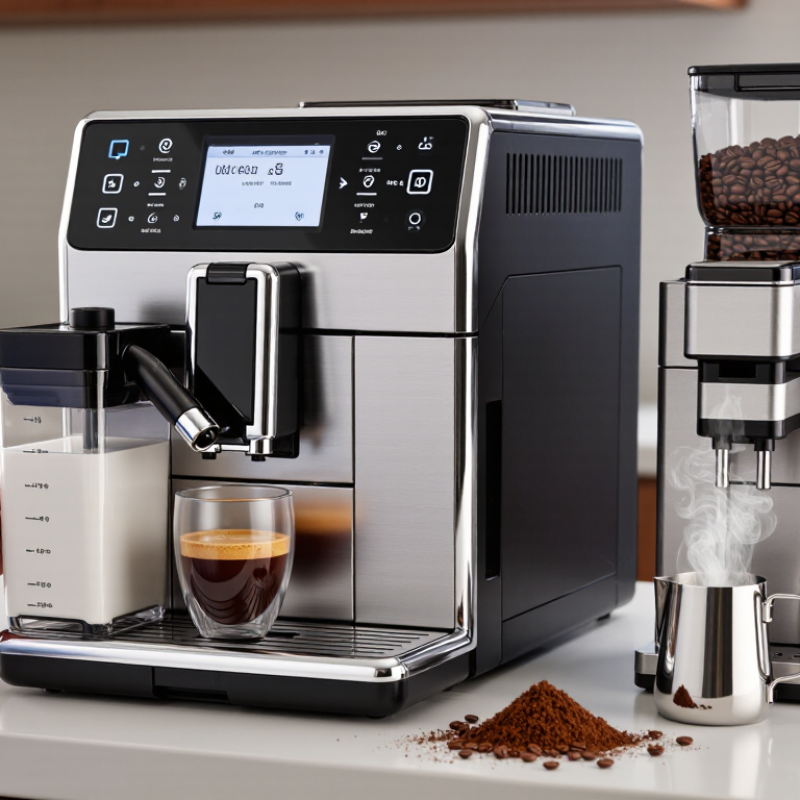
Understanding Coffee Machine Robot Types and Their Main Functions
Choosing a coffee machine robot starts with understanding its operating type. A capsule robot uses sealed portions and simple buttons. It offers consistent flavor with little preparation. Waste can be a concern.
A bean-to-cup robot grinds whole beans before brewing. It usually controls grinding, dosing, water flow, and milk preparation automatically. Choose this type for fresher aroma and varied drinks. It needs regular cleaning and a larger counter space. A semi-automatic machine gives you more control over grinding, tamping, and extraction. It suits people who enjoy adjusting each cup. The learning curve is real.
When I test a coffee machine robot, I check its main functions during busy mornings. Does it heat water quickly? Can it remember drink settings? A useful model should offer adjustable strength, temperature, and cup size. A clear display helps, but too many menus may slow daily use. Milk systems deserve careful attention. Some use a separate container, while others require manual frothing. Clean the milk path after every use.
Noise matters in a quiet kitchen. I once trusted a machine’s low-noise claim, but grinding still sounded sharp against the counter. That experience changed my checklist. Look for removable brewing parts, accessible filters, and clear maintenance alerts. Check the water tank and waste tray sizes, especially for several users. A compact robot may fit neatly, yet need frequent refilling. Availability of technical support also reflects long-term reliability. Expect small compromises.
Comparing Automation, Cleaning Systems, and Ease of Maintenance
A coffee machine robot should save time without turning cleaning into another daily chore. Check what the automation actually controls: grinding, dosing, brewing, milk handling, and rinsing. A machine that advertises many programs may still require frequent manual attention. Choose clear controls and adjustable settings, so you can correct weak coffee or excessive foam without guessing.
Inspect the cleaning system closely. Automatic rinsing is useful, especially after milk-based drinks, but it does not replace a proper wash. Look for removable brew units, accessible drip trays, and washable milk channels. Smooth internal surfaces usually collect less residue. Avoid designs with narrow, hidden passages. They are difficult to inspect.
I once underestimated this detail, and stale milk odor appeared before the maintenance warning did.
Study the maintenance schedule before buying. Check how often filters, cleaning tablets, seals, and waste containers need attention. Select a model with readable alerts and simple access to service parts. Test the water tank and waste drawer in a showroom if possible; awkward handles become frustrating in a small kitchen. Also consider noise during grinding and rinsing. Quiet automation matters early in the morning. Do not trust every “self-cleaning” claim equally. Read the manual, compare cleaning steps, and leave room for occasional human oversight.
Evaluating Price, Reliability, Warranty, and Long-Term Value
Tip 1: Judge the total cost, not the sticker price.
A coffee machine robot may look affordable, yet filters, cleaning tablets, and replacement parts add up. When I compare machines, I record the cost of one month’s coffee, water, and routine care. A cheaper model can become expensive after repeated repairs. Check the cleaning cycle, waste container size, and energy use. Small details matter.
Tip 2: Test reliability before trusting clever features.
Read the manual before reading advertisements. Look for clear maintenance schedules and accessible service information. During a hands-on test, listen for unusual grinder noise and watch whether the machine produces consistent coffee. I once focused too much on drink variety. That judgment was too quick. A simple machine that works every morning may offer greater value.
Tip 3: Examine the warranty in uncomfortable detail.
Confirm its length, included components, labor coverage, and repair process. Some warranties exclude damage caused by poor cleaning or hard water. Ask how long repairs usually take and whether spare parts remain available. A useful warranty should be written clearly, not hidden behind vague promises. Keep receipts and maintenance records. They can protect your claim. Long-term value also depends on repairability, software support, and controls that remain practical after months of daily use.
7 Tips for Choosing the Best Coffee Machine Robot
A balanced purchase decision should consider more than the upfront price. This practical scoring model gives equal attention to reliability, warranty coverage, maintenance, usability, and long-term value. Scores are normalized on a 10-point scale for comparison.
Higher scores indicate a more favorable buying criterion. Before purchasing, compare the total cost of ownership, expected service life, replacement-part availability, warranty length, cleaning requirements, and energy consumption.