Top 10 Robot Coffee Kiosk Manufacturers Worldwide?
The global Robot Coffee Kiosk market is moving from eye-catching prototypes toward practical, repeatable service. This article introduces ten manufacturers shaping that transition across airports, offices, shopping centers, universities, and transport hubs. Their systems differ in robotic arms, automated brewing modules, payment software, cleaning processes, and human support requirements.
Henry Hu, founder of Café X, has described the company’s purpose as making coffee “better, faster, and more affordable.” That idea remains useful, but it needs careful testing. Speed alone does not guarantee a better customer experience. A kiosk may produce a drink in under one minute, yet still disappoint customers through weak milk texture, confusing interfaces, or slow maintenance.
Our comparison considers more than impressive videos. We examine beverage consistency, ingredient handling, remote monitoring, service accessibility, installation flexibility, energy use, and reported commercial experience. We also consider how each Robot Coffee Kiosk performs during busy periods, when queues grow and small faults become expensive.
The industry is not perfect.
Some manufacturers disclose limited performance data. Others highlight automation while saying less about cleaning labor and downtime. These gaps matter. A dependable kiosk needs trained technicians, clear hygiene procedures, reliable payment systems, and responsive customer support.
This ranking is therefore a practical guide, not a final verdict. Local regulations, climate, menu design, and site traffic can change the result. Readers should request demonstrations, maintenance records, and transparent cost estimates before making a purchasing decision.
What Is a Robot Coffee Kiosk?
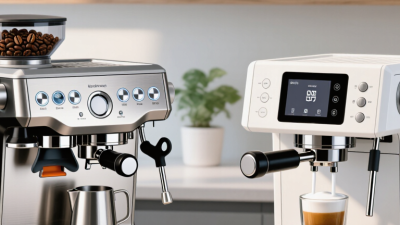
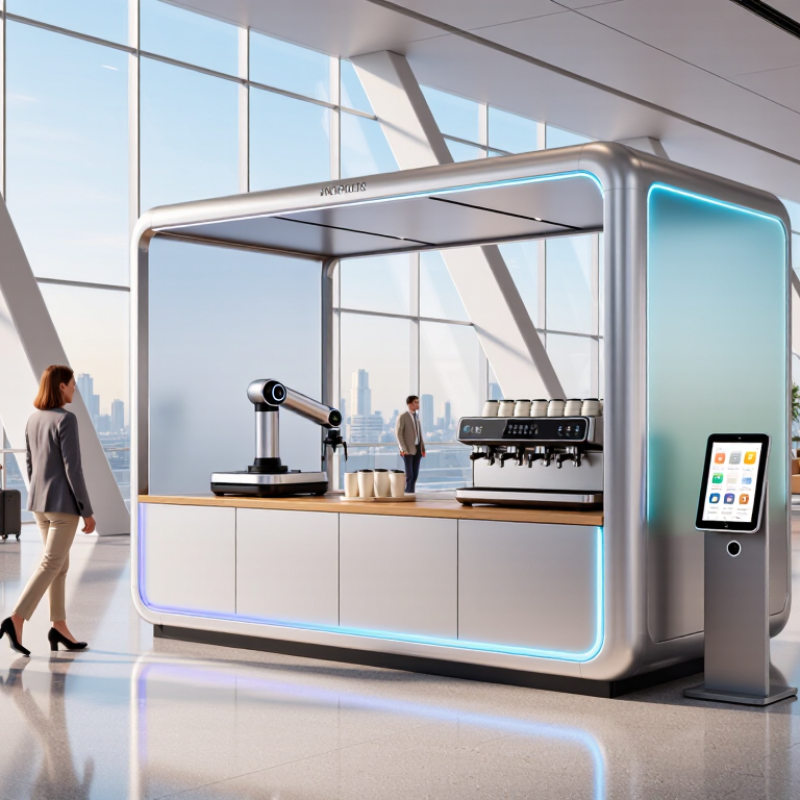
A robot coffee kiosk is a compact, automated station that prepares and serves coffee with limited staff involvement. It usually combines a grinder, espresso brewer, milk system, robotic arm, payment terminal, and remote monitoring software. Customers choose a drink on a touchscreen. The machine doses beans, tamps coffee, extracts espresso, and adds milk. Some systems also deliver the cup through a small collection window. The term robot is sometimes generous. Certain kiosks automate brewing but still require regular human cleaning, refilling, and technical support.
The International Federation of Robotics reported about 205,000 professional service robots sold worldwide in 2023, nearly 30% more than the previous year. This growth supports wider automation in food-service environments. Meanwhile, the International Coffee Organization estimated global coffee consumption at 177.9 million 60-kilogram bags in 2023/24. That demand creates opportunities for compact coffee points in offices, hospitals, campuses, and transport hubs. However, automation does not guarantee better coffee. Taste depends on water quality, bean freshness, calibration, and cleaning discipline. A visually impressive kiosk can still produce weak espresso.
Tips: Check the cleaning cycle before judging the technology. Ask how often staff refill milk and beans. Review service response times, temperature records, and payment reliability. Independent testing should measure drink consistency across busy and quiet periods. The “fully autonomous” claim deserves careful questioning. Expect practical limits.
How Robot Coffee Kiosks Work
How Robot Coffee Kiosks Work
Robot coffee kiosks combine ordering software, ingredient storage, brewing equipment, and robotic movement. A customer selects a drink on a touchscreen or mobile interface. The system then sends the recipe to a central controller. That controller coordinates the grinder, brewer, milk dispenser, cup holder, and robotic arm.
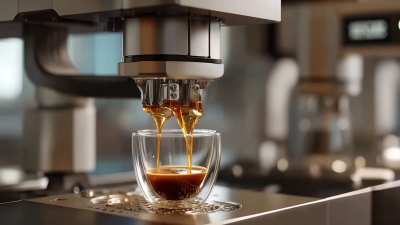
The machine measures coffee beans by weight, grinds them, and prepares the selected brew. A robotic mechanism may position the cup beneath each station. Sensors check cup placement, liquid levels, temperature, and movement. Cameras can help detect blocked areas or misplaced objects. Software records each step and alerts staff when refilling or cleaning is needed. The process looks smooth, but small errors still matter. A damp grinder can change extraction. A sensor may also read an empty cup as present. Human inspection remains valuable.
Tips: Watch the full workflow before judging performance. Check drink temperature, extraction consistency, cleaning access, and recovery after an error. Ask how often staff calibrate grinders and sanitize food-contact parts. Test busy periods, not only quiet demonstrations. A reliable kiosk should explain failures clearly and allow safe manual intervention. Maintenance is often less impressive than speed, yet it decides daily performance. Experiences can vary between locations, so measured trial data matters more than attractive claims.
Top 10 Robot Coffee Kiosk Manufacturers Worldwide
The top 10 robot coffee kiosk manufacturers worldwide are not defined by automation alone. Strong manufacturers combine reliable brewing systems, accurate robotic movement, and practical kiosk design. Their machines should handle espresso, milk drinks, cleaning cycles, and payment tasks with limited staff support. Temperature stability matters. So does recovery after a failed order.
Industry comparisons usually examine ten areas: brewing quality, robotic precision, software updates, maintenance access, energy use, footprint, customization, safety controls, delivery capacity, and after-sales service. Leading manufacturers often build modular kiosks for airports, offices, hospitals, malls, and universities. Stainless steel worktops, sealed ingredient containers, visible status screens, and compact waste drawers make daily operation easier. Small details matter.
Field testing can reveal more than a polished demonstration. A kiosk may serve drinks quickly in the morning, then struggle during a busy afternoon. Milk refrigeration, cup alignment, water filtration, and cleaning alerts deserve close inspection. Manufacturers with remote diagnostics can reduce downtime, but connectivity failures still need a manual fallback. That part is often overlooked. Buyers should request maintenance records, sanitation procedures, staff training plans, and realistic output data. A ten-minute demonstration proves very little. The best global suppliers show consistent performance across different locations, climates, and customer volumes, while admitting where their systems still need improvement.
Industry Trends and Buyer Considerations
When comparing the top 10 robot coffee kiosk manufacturers worldwide, buyers should examine operating realities, not polished demonstrations. The International Federation of Robotics reported 541,302 industrial robot installations in 2023. This wider automation growth supports kiosk development, but coffee systems have different demands. They must manage milk temperature, grinder calibration, cleaning cycles, and customer queues within limited floor space.
Labor pressure is another strong market driver. The National Restaurant Association’s 2024 State of the Restaurant Industry report identified recruiting and retaining employees as a major challenge for operators. A kiosk can reduce repetitive service tasks, but it cannot remove supervision, replenishment, or sanitation duties. Buyers should request measured data for drinks per hour, average recovery time, ingredient waste, and remote-support response. Ask for a live test during a busy period.
Food safety design deserves equal attention. The system should record cleaning actions, temperature checks, allergen controls, and maintenance alerts. Local electrical, accessibility, and food-service requirements may affect installation costs. Connectivity matters too. A weak network can turn a sophisticated kiosk into an expensive countertop ornament. I would also inspect spare-part availability and technician coverage in the target country. Some specifications look impressive. They still need independent verification. A realistic pilot in a shopping center or transport hub can reveal noise, queue behavior, and customer hesitation better than a showroom visit.