Media

WE’RE GETTING NOTICED...

What Are the Top Types of Thermal Rolls in 2026?

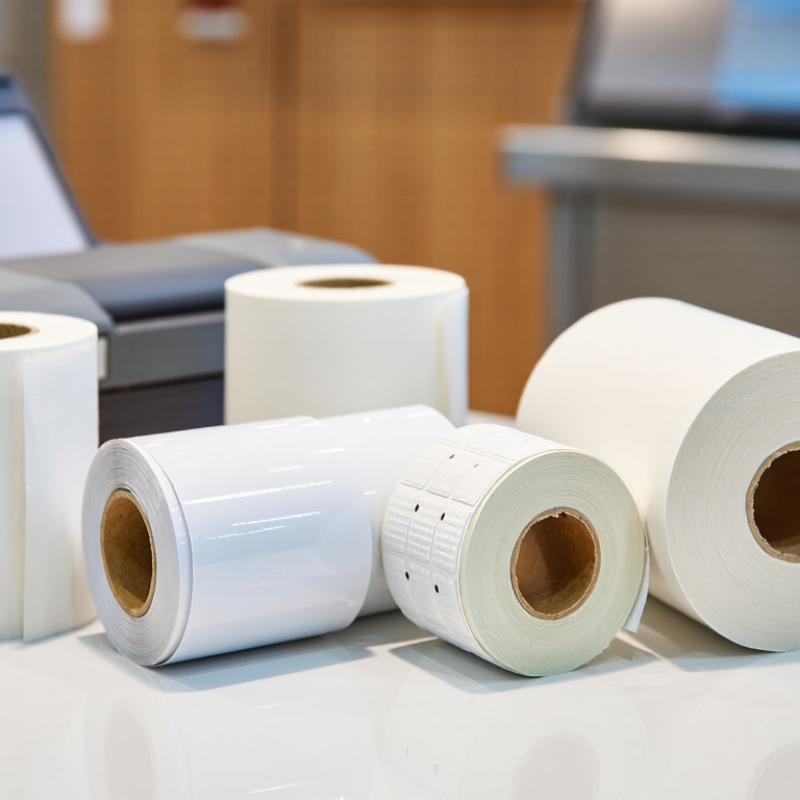
Thermal Rolls remain essential wherever printers need quick, ink-free output. In 2026, they serve checkout counters, ATMs, kitchens, ticket desks, and shipping stations. The best choice depends on the printer, the printed information, and how long the record must remain readable. A receipt roll that works well at a busy café may not suit a label printer or a high-volume kiosk.

This guide explores the main types of Thermal Rolls, including standard receipt paper, premium-grade rolls, linerless labels, and specialty options for particular machines. It also explains practical differences in width, roll diameter, core size, coating, and print durability. Small details matter. A roll that is slightly too wide can jam a printer, while poor storage near heat or sunlight may make print fade sooner. Compatibility is worth checking before bulk orders.

Material choices deserve attention, too. Some buyers look for phenol-free papers, but product claims and local availability can vary. Ask suppliers for clear specifications instead of relying on packaging alone. Still, no roll is perfect. A longer-lasting print may cost more, and the cheapest option can create avoidable waste if it feeds poorly. Not always. Comparing real printer requirements with expected use is more reliable than choosing by price or label claims. The sections ahead offer a grounded way to assess these trade-offs and select rolls for everyday operations in 2026.
What Are the Top Types of Thermal Rolls in 2026?

How Thermal Rolls Work and What Distinguishes Their Types

What Are the Top Types of Thermal Rolls in 2026?

Thermal rolls use heat-sensitive coatings to create an image. A printhead heats selected points, causing the coating to darken. No ink is needed. Roll types differ mainly by coating, durability, and intended use. Grand View Research estimated the global thermal paper market at USD 4.38 billion in 2023, with projected growth of 5.8% annually through 2030. This signals broad demand, but it does not mean every roll suits every device.

Standard uncoated rolls work well for short-lived receipts in dry indoor settings. Top-coated rolls add a protective layer against moisture, oils, and handling. Label stock is designed to feed through label printers and adhere to surfaces. Synthetic thermal media can tolerate tougher conditions, though it may cost more. These categories are not perfectly uniform; coatings and performance vary between suppliers. That detail is easy to overlook.

Tips: Match roll width, core size, and printer requirements before ordering. For receipts exposed to sunlight or frequent handling, test top-coated stock first. Check sample print darkness and readability after storage. A low-cost roll can be a false economy.

What Are the Top Types of Thermal Rolls in 2026? - How Thermal Rolls Work and What Distinguishes Their Types
Thermal rolls use heat-sensitive media or a thermal-printing process to produce images and text. The main differences are the roll’s coating, construction, intended use, and resistance to environmental conditions.
Type of Roll How It Works Typical Uses What Distinguishes It Key Considerations
Standard Direct Thermal Receipt Rolls A heated printhead activates a heat-sensitive coating on the paper, creating the printed image without ink or a ribbon. Point-of-sale receipts, order slips, and short-term transaction records. Simple printer setup and fast printing; the image is formed directly on the paper surface. Heat, sunlight, friction, and some chemicals can cause fading or darkening. Not ideal for records requiring long-term legibility.
Top-Coated Thermal Receipt Rolls The thermal imaging layer is covered by an additional protective surface coating. Receipts and records handled frequently or exposed to more moisture and abrasion than ordinary indoor receipts. The topcoat can improve resistance to handling, moisture, oil, or abrasion compared with an uncoated grade; performance varies by product. A protective coating does not make the print immune to heat, light, or chemical exposure. Check the supplier’s stated resistance and printer compatibility.
BPA-Free or Phenol-Free Thermal Rolls These are direct thermal papers identified by the chemistry of their heat-sensitive coating or developer system. Receipts and records where a buyer specifies particular chemical-content requirements. “BPA-free” means the paper is made without bisphenol A; “phenol-free” refers to formulations made without phenolic developers. The terms are not interchangeable. Confirm the exact formulation and applicable compliance documentation. Chemical designation alone does not indicate image life or print durability.
Direct Thermal Label Rolls A heat-sensitive label facestock darkens where the printhead applies heat; the roll commonly includes adhesive and a release liner. Shipping labels, product identification, and short-life inventory or logistics labels. Prints without a thermal-transfer ribbon, reducing consumables and simplifying the printing process. Direct thermal images can fade with heat, light, and abrasion. Match label size, adhesive, core, and roll dimensions to the printer and application.
Linerless Thermal Label Rolls Direct thermal label material is supplied without a separate backing liner; a release surface helps the wound labels separate. Variable-length receipts or labels in food service, retail, and delivery workflows. Eliminates the disposable liner and can allow variable label lengths, depending on the printer and feed system. Requires a compatible linerless printer, adhesive and release construction, and often a suitable cutter. It is not interchangeable with every standard label roll.
Thermal Ticket Rolls Thermal paper is printed directly by a heated printhead, as with a receipt roll; ticket stock may have specifications suited to its intended handling. Queue tickets, event admission, transport, and other short-format ticketing applications. Often selected by ticket size, roll dimensions, and any required features such as pre-printing or controlled ticket separation. Confirm the printer’s supported width, core diameter, roll diameter, and any cutter or perforation requirements.
Thermal Transfer Label Rolls A thermal printhead transfers ink from a separate ribbon onto the label material; the roll itself does not need to be direct-thermal paper. Product, asset, and logistics labels where the application calls for a different media or print-durability combination. Supports a choice of label facestock and ribbon combinations, including paper and synthetic media. Requires a compatible thermal-transfer printer and ribbon. Select the ribbon and label material together for the surface and conditions involved.
Selection tip: Check the printer manual for roll width, core size, maximum roll diameter, and printing method. Direct thermal and thermal transfer are different processes, so their media and consumables are not automatically interchangeable.

POS Receipt Rolls for Retail and Hospitality Transactions

At a retail checkout, a receipt roll must feed cleanly, print legibly, and fit the printer without forcing the cover shut. That sounds basic. Yet the wrong width or core size can cause jams during a busy queue. Before ordering, check the printer’s specified roll width, maximum diameter, and core dimensions. A sample roll can reveal fit problems that a product description may not.

Direct thermal paper is common for POS receipts because it prints without an ink ribbon. Standard rolls suit many everyday transactions, while heavier paper may feel sturdier in customers’ hands. In cafés and restaurants, receipts may sit near steam, warm equipment, or damp counters. Keep spare rolls sealed and stored away from heat and sunlight; exposure can fade the print. For retail, where customers may keep receipts for returns, readable text matters just as much as smooth feeding.

Paper labels can be confusing. Ask suppliers for details on paper weight and image stability, and request documentation for any chemical-content claims. A specification sheet helps, but it cannot predict every cramped counter or humid storeroom. Test a roll in the actual printer before placing a large order. It is a small step, though sometimes teams skip it.

Credit Card Terminal Rolls for Payment Records

What Are the Top Types of Thermal Rolls in 2026?
Credit Card Terminal Rolls for Payment Records

Credit card terminal rolls create quick, readable records at checkout. Their heat-sensitive coating darkens when the printer head warms it, so no ink ribbon is needed. A clear receipt can show the transaction amount, date, and approval reference, depending on the terminal. That small paper slip still matters when a customer needs to check a charge or a cashier reviews a sale.

Fit is essential. Check the roll width, diameter, and core size against the terminal’s specifications before ordering. A roll that is too wide may jam; one with a large diameter may not fit the compartment. Keep a spare near the checkout, but away from sunny windows and warm equipment. Heat can darken unused paper. It happens.

Choose smooth, consistent paper for crisp text and fewer feed problems. After changing a roll, print a test receipt and check that the lettering is legible from edge to edge. I have seen busy counters skip this simple check, then discover faint printing during a customer query. Thermal paper also fades over time, especially with exposure to heat, light, or oils. For records that must remain readable, follow the terminal provider’s guidance on digital copies and retention.

What Are the Top Types of Thermal Rolls in 2026? — Credit Card Terminal Rolls for Payment Records

Common thermal receipt roll formats are often identified by their width and roll diameter. The chart compares nominal widths; actual printer compatibility depends on the specified roll dimensions and core size.

Kiosk and ATM Rolls for Self-Service Printing

Kiosk and ATM thermal rolls are built for steady, unattended printing. A kiosk in a railway hall may print queue tickets all day, while an ATM typically produces compact transaction receipts. Both need paper that feeds cleanly and reacts evenly to the printer’s heat. A roll that is too wide, has the wrong core, or curls at the edge can cause jams and service calls. Small details matter.

Standard direct-thermal rolls suit routine receipts and tickets. For kiosks exposed to bright lights or frequent handling, a more durable thermal coating can help keep text readable longer. It is still worth matching roll width, diameter, core size, and paper weight to the printer’s specifications; “almost right” can be costly. Check that black text appears evenly across the roll, without pale bands or smudges. Keep spare rolls sealed and away from heat and sunlight. Storage is easy to overlook.

The best choice depends on the print volume and how long users need to keep a receipt. An ATM slip may be handled in a wallet, while a queue ticket may only need to remain legible for minutes. More coating is not automatically better, and overly heavy paper can affect feeding. Testing a sample roll in the actual machine is practical. It can also reveal a mismatch before bulk ordering.

Thermal Label Rolls for Shipping, Inventory, and Identification

Thermal label rolls support three everyday jobs: shipping, inventory control, and identification. Direct thermal labels darken when heated, so they need no ribbon and suit fast-moving parcels. They work well for short-lived shipping information, though heat, sunlight, and friction can fade the print. Thermal-transfer rolls use a ribbon and generally offer more durable marks on paper or synthetic stock. They fit shelf labels, bins, and equipment that need to remain readable longer. Small detail. Match the roll width to the printer and label size; a poor fit can waste stock or cause jams.

The U.S. Census Bureau reported that

U.S. e-commerce sales reached $1.1926 trillion in 2024, up 8.1% from 2023.

That growth means more parcels needing clear routing labels. For inventory, consistent barcodes and readable text help workers identify items without guessing. The National Retail Federation’s 2023 National Retail Security Survey estimated retail shrink at 1.6% of sales in 2022, or $112.1 billion. Labels alone cannot prevent losses, but accurate identification supports better records and checks. And durability is easy to misjudge. A label stored in a cool office may last, while the same stock near a sunny loading dock may not. Choose by exposure, scan needs, and expected label life—not just price.