Top Surge Protection Devices for 2026 What Buyers Need to Know
In today's tech-driven world, safeguarding electronic devices is more important than ever. A Surge Protection Device (SPD) plays a critical role in this protection. SPDs mitigate the risks posed by voltage spikes that can damage sensitive equipment. They have become essential for both homes and businesses.
As we approach 2026, understanding what to look for in a surge protection device is vital. Many buyers overlook key features like response time and joule ratings. This oversight can result in inadequate protection, leaving devices vulnerable. Consumers need to consider their specific needs and the environment in which the SPD will function.
Selecting the right surge protection device requires careful thought. It's easy to be swayed by price, but performance should be the priority. Research indicates that premium models often provide better protection. However, even the best devices can falter if not installed properly. It's a reminder that, while technology evolves, informed choices are still crucial.
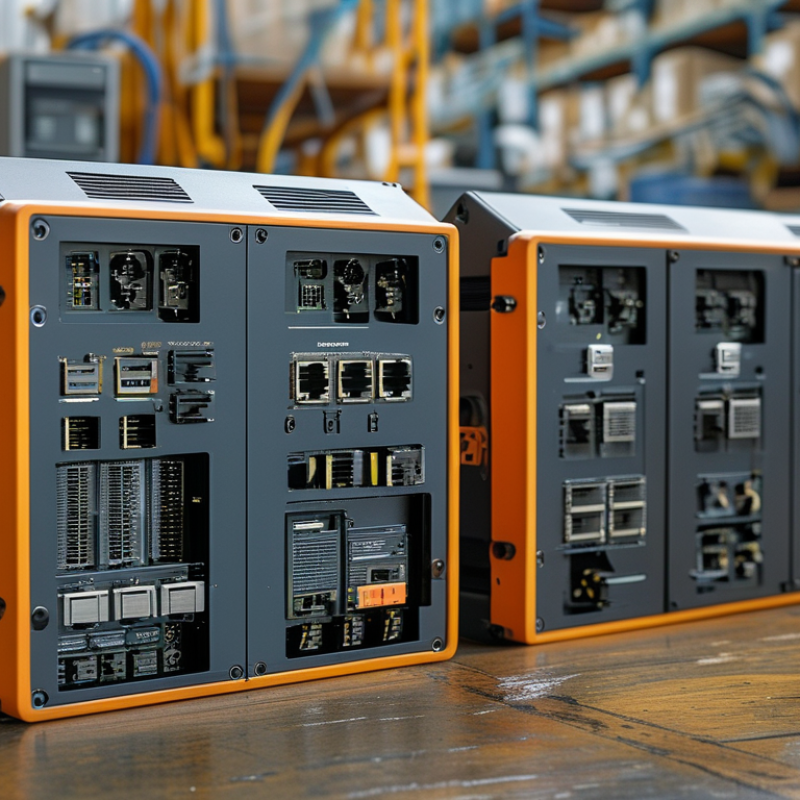
Top Surge Protection Devices: An Overview of 2026 Market Trends
In 2026, the surge protection device market is set for notable changes. As technology advances, so do the threats to electrical systems. Buyers need to be aware of these trends to make informed choices. Enhanced designs will feature greater reliability against power surges. This is vital for both home and industrial applications.
Experts suggest that considering energy efficiency is essential. Energy-efficient surge protectors not only save costs but also reduce environmental impact. Look for devices that specifically mention energy ratings. Read customer reviews to gauge performance. This insight can reveal potential issues with reliability.
While many devices promise surge protection, not all deliver. Some may lack necessary certifications that ensure safety and effectiveness. It’s wise to verify if a device complies with industry standards. Reflect on your specific needs—home vs. business environments might require different specifications. Always weigh options carefully. Being proactive today can prevent costly damages later.
Key Features to Look For in 2026 Surge Protection Devices
When looking for surge protection devices in 2026, understanding key features is crucial. One of the most important aspects is response time. This refers to how quickly a device reacts to a power surge. A shorter response time means better protection for your electronics. Devices with a response time under one nanosecond are preferable for optimal safety.
Another feature to evaluate is Joule rating. This rating indicates how much energy a device can absorb before failing. A higher Joule rating usually means better protection. Aim for devices that offer at least 2000 Joules. However, keep in mind that more Joules don't always guarantee increased performance. It’s also essential to assess the device’s warranty. A reliable warranty shows a manufacturer's confidence in their product.
Additionally, consider the form factor. Surge protectors come with various designs. Some are compact and easily portable, while others are bulky and stationary. Think about the space where you plan to use the device. Analyze whether a sleek design or a heavy-duty protector suits your needs better. Finding a good balance between size and functionality is vital. There is always room for improvement in your choices, so reflect on what features matter most for your environment.
Top Surge Protection Devices for 2026 - What Buyers Need to Know
| Device Type | Voltage Rating | Energy Capacity (Joules) | Response Time | Number of Outlets | Additional Features |
| Whole House Surge Protector | 120/240V | 50,000 J | < 1 ns | 2 | LED Indicator, Warranty |
| Power Strip Surge Protector | 120V | 3,000 J | < 1 ns | 8 | USB Ports, Overload Protection |
| Industrial Surge Protector | 480V | 100,000 J | < 1 ns | Depends on configuration | Modular Design, Remote Monitoring |
| Portable Surge Protector | 120V | 1,500 J | < 1 ns | 4 | Compact Design, LED Status Indicator |
| APC Surge Protector | 120V | 2,200 J | < 1 ns | 6 | Network Protection, Coaxial Protection |
Performance Metrics: The Importance of Voltage and Current Ratings
When selecting surge protection devices (SPDs), understanding performance metrics is crucial. Voltage and current ratings play a significant role in determining a device's effectiveness. Voltage ratings indicate the maximum voltage an SPD can handle before failing, while current ratings specify the maximum surge current it can absorb. According to industry reports, an SPD should have a voltage rating at least 20% higher than the maximum system voltage to ensure optimal protection.
Surge events can be unpredictable, often exceeding expected limits. A device rated only for typical surge levels might not protect against larger spikes, leading to potential equipment damage. Data shows that over 60% of power surges can originate from within the Customer's premises. Therefore, selecting an SPD with appropriate voltage and current ratings is essential for safeguarding connected devices.
Moreover, not all environments are the same. Considering local electrical standards and potential exposure to lightning is essential. For example, a surge protection device designed for urban areas may not perform well in rural settings with frequent electrical storms. Research highlights this variability. Buyers should also remember that higher ratings do not always equate to better performance. Each installation has its nuances. Ensuring compatibility with local systems is just as vital as checking specifications.
Top Surge Protection Devices for 2026
Understanding the Different Types of Surge Protection Devices Available
Surge protection devices (SPDs) play a crucial role in safeguarding electronic equipment. They mitigate the risk of damage from voltage spikes, which can occur due to lightning strikes, power outages, and faulty wiring. There are various types of SPDs available, designed for different applications and environments. These include whole-house surge protectors, plug-in protectors, and industrial-grade devices.
Whole-house surge protectors are efficient for residential use. They provide comprehensive protection by blocking excess voltage at the electrical panel level. Plug-in protectors, on the other hand, are convenient for individual devices like computers or televisions. They offer localized protection but may not defend against all surge types. Industrial-grade devices are essential for businesses that rely on sensitive equipment. They differ in power handling and response time, making them ideal for high-stakes environments.
Tip: When selecting an SPD, consider the voltage rating and response time. A faster response time often means better protection.
Buying decisions should also reflect the level of risk in your area. Regions prone to thunderstorms need higher-rated devices. Refer to industry reports; a 2022 study showed a 30% increase in surge-related damages. Such data underscores the necessity of investing in quality surge protection.
Tip: Regularly check and replace your SPDs. The lifespan of these devices can diminish over time, making them less effective.
Future Innovations: Emerging Technologies in Surge Protection for 2026
As technology evolves, so does the landscape of surge protection devices. By 2026, emerging technologies promise to revolutionize how we safeguard our electronics. A recent report by the International Electrotechnical Commission indicates a projected market growth rate of 8% annually for surge protection devices through 2026. This growth underscores the importance of staying informed about innovations.
New materials, such as advanced ceramics and smart sensors, are being integrated into surge protection. These materials enhance efficiency and durability, making them ideal for both residential and commercial applications. Additionally, artificial intelligence is beginning to play a role. Intelligent monitoring systems can predict surge events, allowing for preemptive measures. However, reliance on technology comes with its own challenges.
Tips: Regularly assess your surge protection needs. Not all devices are created equal. Understand the specifications and choose ones that meet your requirements. Consider the installation environment carefully. Room for improvement exists in user education, as many consumers still misunderstand surge protection basics. Investing in the right technology will ensure the safety of valuable equipment in the long run.