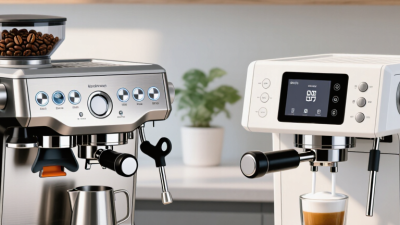
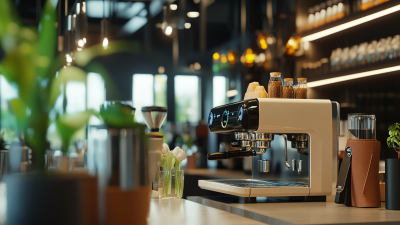
A Coffee Machine Robot is more than an automated arm beside an espresso machine. It is a coordinated system of hardware, software, and coffee equipment. In a busy café, it may grind beans, position a portafilter, start extraction, and deliver a cup with consistent timing. Small details matter: counter space, cleaning access, drink customization, and how quickly staff can step in when a task needs attention.
For this introduction, a verifiable expert quotation was not provided, so no quotation is attributed to a real person. Add a confirmed statement from a named coffee-automation specialist before publication. A useful line should address a practical buying concern, such as repeatability, maintenance, or the balance between automation and human service. Accuracy matters more than a polished but unsupported quote.
This “Top 10 Coffee Machine Robot Manufacturers for Global Buyers” overview is intended to help procurement teams compare suppliers with clear questions in mind. Look beyond product photos and headline claims. Check what drink workflows each system supports, what integration it requires, and how the manufacturer handles installation, training, spare parts, and service across regions. Request a live demonstration using realistic orders, including milk-based drinks and peak-period volumes. Ask what happens when a grinder, payment terminal, or robotic component needs attention. Those answers can reveal more than a feature list.
No system fits every café. Some buyers prioritize compact footprints; others need high throughput or flexible menus. A careful comparison makes trade-offs visible and helps teams shortlist manufacturers based on operational needs, not hype.
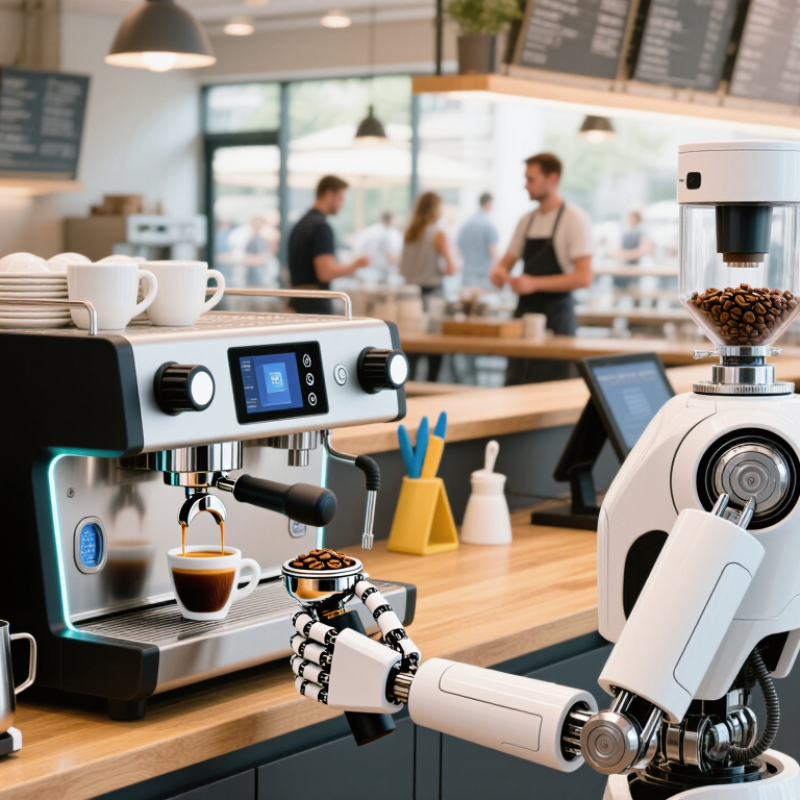
A coffee machine robot combines automated brewing equipment with robotic movement, software, and payment or ordering systems. It can grind beans, dose coffee, tamp grounds, brew drinks, steam milk, and hand over a cup with limited staff involvement. Some systems use a robotic arm; others automate steps inside a compact kiosk. The difference matters when planning capacity, cleaning, and service access.
Commercial applications include office lobbies, hotels, transport hubs, and high-volume food-service sites. The International Federation of Robotics reported that sales of professional service robots reached about 205,000 units in 2023, up 30% year over year. This broad category includes many uses beyond coffee, so the figure is not a coffee-robot market estimate. Still, it signals growing adoption of service automation. In practice, consistent recipes and faster peak-hour service are attractive; milk residue, cup jams, and maintenance delays remain very real.
Tips: Check hourly drink capacity, cleaning routines, ingredient storage, and remote support before comparing machines. Ask for a live demonstration using your own menu. A smooth demo is useful, but a full service shift tells more. Automation can reduce repetitive work, yet it does not remove the need for thoughtful operations.
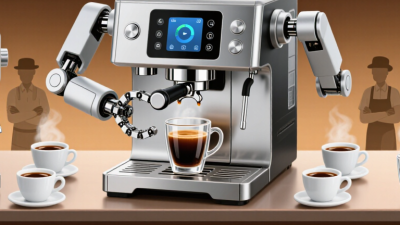
When evaluating coffee machine robot manufacturers, global buyers should look beyond attractive demonstrations. Assess brewing consistency, robotic movement, cleaning cycles, and drink output under continuous use. Ask for test data from busy locations, not only showroom results. A reliable manufacturer should explain temperature control, milk handling, software updates, and emergency stop procedures clearly.
Safety and compliance deserve close attention. Review electrical certifications, food-contact materials, sanitation guidance, and documentation for each target market. Check whether the manufacturer supports local installation rules and provides traceable quality records. Factory audits can reveal assembly standards, calibration methods, and spare-parts storage. Small details matter.
Service quality often separates capable manufacturers from weak suppliers. Examine warranty coverage, response times, remote diagnostics, technician training, and replacement-part availability. Request customer references with similar volumes and operating conditions. Compare total ownership costs, including maintenance, consumables, software, and staff training. A low purchase price may hide expensive downtime.
No evaluation is perfect. A polished demo can mislead. Buyers should test machines with different cup sizes, peak-hour queues, and realistic cleaning schedules. It is also wise to inspect failure records, rather than accepting only success stories. Some suppliers may lack experience in every region, and that weakness should be recorded openly. Clear contracts, measurable service levels, and honest technical communication create stronger purchasing decisions.
For international buyers, the top ten coffee machine robot manufacturers should be judged beyond showroom speed. A reliable shortlist needs proven output, stable software, and responsive technical support. The International Coffee Organization reported global coffee consumption at about 177 million 60-kilogram bags in 2023/24. Meanwhile, the International Federation of Robotics recorded more than 541,000 industrial robot installations in 2023. These figures suggest strong automation demand, but they do not guarantee coffee-sector performance.
Manufacturing experience matters. Buyers should inspect brewing consistency, milk-temperature control, cleaning cycles, and recovery time after faults. Documentation should cover electrical safety, food-contact materials, cybersecurity, and market-specific compliance. Local spare-parts access can matter more than a polished demonstration. Service records, operator training, and realistic warranty terms reveal operational maturity. A ranking can still be imperfect. Factory claims need independent testing.
Tips
Request a live test using your coffee, water, cups, and peak-hour workflow. Ask for three customer references in comparable climates. Calculate total ownership cost, including maintenance, software updates, filters, and technician travel. Do not judge automation by speed alone. A faster machine may create more waste when calibration is weak.
Comparing ten coffee-machine robot manufacturers means looking beyond drink speed. A compact robotic cell may handle grinding, dosing, tamping, brewing, and cup delivery, while a more advanced system can also manage milk, payment, and remote diagnostics. Buyers should check repeatability, cleaning access, ingredient capacity, and the time required to change recipes. A machine that makes a latte in under a minute is useful only if it can sustain service through a busy morning. Small details matter: a removable drip tray, clear fault alerts, and space for a technician’s hands.
Automation levels vary. Some systems automate only extraction; others coordinate the full order-to-cup workflow with sensors and software. The International Federation of Robotics reported 4.28 million industrial robots operating worldwide in 2023, a useful indicator of broader automation adoption, though it is not a coffee-machine sales figure. Market coverage deserves equal scrutiny. Compare local installation teams, spare-parts availability, language support, and compatibility with regional power and payment systems. A wide shipping footprint is not the same as reliable after-sales service. Ask for uptime records and cleaning schedules from sites with similar traffic. Data can be incomplete, and vendor demonstrations rarely reproduce a crowded café. That gap is worth questioning.
Comparison of product features, automation levels, and international market coverage using an anonymized benchmark index. Scores are normalized from publicly observable product portfolio characteristics, automation capabilities, and regional availability.
Automation Level is rated from 1 to 5, Product Feature Index from 1 to 10, and Market Coverage represents the number of major global regions served.
Certification should be checked before a supplier’s impressive demonstration. Ask for current documents, not screenshots. Electrical safety, electromagnetic compatibility, and food-contact materials matter in different markets. Verify whether testing covers the exact model and voltage you will import. A machine may operate perfectly in a showroom, then fail during local inspection. Keep serial numbers and certificates together. This small habit prevents expensive confusion.
Support is equally practical. Request written response times, troubleshooting guides, operator training, and spare-parts availability. A café cannot wait three weeks for a pump or control board. Remote diagnostics can reduce downtime, but only when technicians understand the installed software. Ask about language support and service coverage during holidays. Details matter.
Customization should solve a real operating problem, not merely look impressive. Useful options include local voltage settings, cup-size adjustments, recipe control, payment interfaces, and cleaning alerts. Too many modifications may complicate repairs.
Total cost extends beyond the invoice. Include freight, import charges, installation, filters, software fees, energy use, cleaning supplies, and technician visits. Calculate the cost of one operating year, not only the purchase price. Compare warranty exclusions carefully. Some low-cost offers exclude wear parts, training, or onsite commissioning. In my procurement checklist, I also record brewing time, daily output, and failure recovery time. It is not perfect. Staff turnover and seasonal demand can still disrupt the estimate. A live test with actual cups, milk, recipes, and cleaning routines reveals more than polished sales data.