Media

WE’RE GETTING NOTICED...

7 Tips for Buying PS Sheet Rolls

Buying a PS Sheet Roll is not just a matter of choosing a width and placing an order. The right roll should suit your forming process, finished product, and storage conditions. Even a small mismatch can show up later as uneven feeding, surface marks, or wasted material.

A useful buyer’s checklist starts with measurable details. Confirm thickness and width tolerances, roll weight, core size, surface finish, and color consistency. Ask whether the grade fits your application, such as thermoforming or display production, and request a current technical data sheet. If appearance matters, inspect a sample under the lighting used in your workspace. Feel the surface. Check the edges. Small checks matter.

For transparency, the named specialist and quotation below are fictional editorial copy, not a verified industry endorsement. “A dependable roll is the one that performs consistently on your actual line, not just the one with the lowest quoted price,” says fictional PS sheet specialist Daniel Mercer. Treat that as a prompt to compare sample performance, documentation, packaging, and supplier support—not as proof of product quality. Prices still matter. But a low quote may leave out details that affect handling or production. This guide’s seven tips will help you ask clearer questions, compare suppliers more carefully, and choose a Ps Sheet Roll with fewer surprises. One caution remains: no checklist can replace a trial run with your equipment.
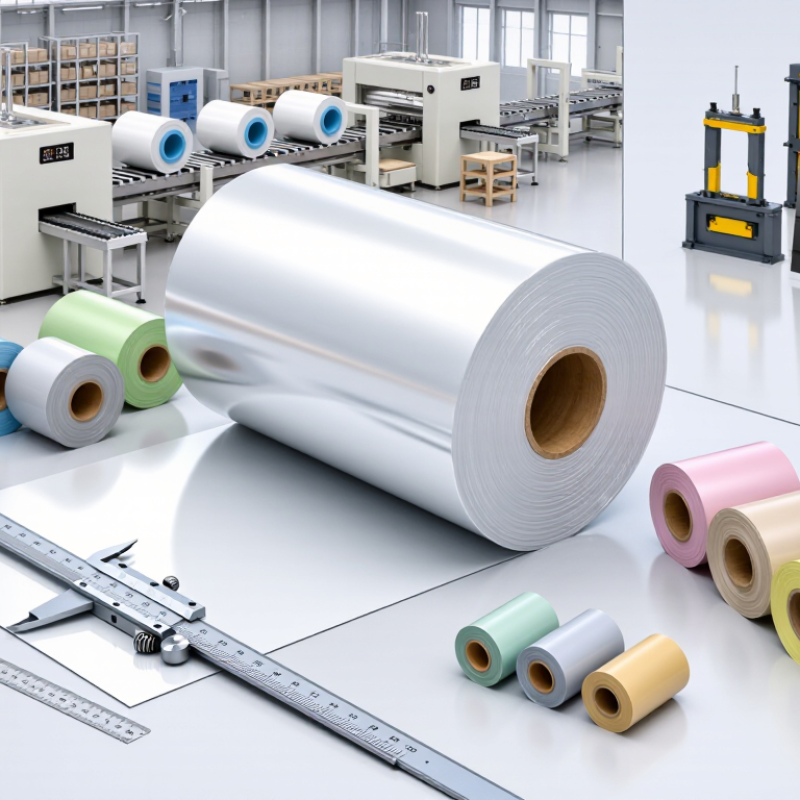
7 Tips for Buying PS Sheet Rolls

Understanding PS Sheet Rolls and Their Common Applications

Polystyrene (PS) sheet rolls are continuous sheets wound around a core, often used where a lightweight, smooth plastic surface is useful. Depending on the grade and thickness, the material may be rigid or flexible enough for forming. It is commonly selected for display parts, protective packaging, disposable trays, and formed inserts. Small details matter. A thin roll may feed easily through forming equipment, while a thicker sheet can hold its shape better but may need more heat.

Before buying, match the roll to its intended use. Check thickness, width, surface finish, and whether the material suits your forming process. For trays or packaging, ask the supplier for documentation confirming suitability for the specific application, especially if the sheet may contact food. For signs and display panels, inspect samples under the lighting used in the finished space; gloss can reveal scratches and fingerprints. PS can crack under impact, so it may not suit parts that are repeatedly flexed or handled roughly. I would test a small sample first. It is an easy step to overlook.

Defining Your Required Dimensions, Thickness, and Sheet Grade

Before requesting PS sheet rolls, define the usable width and the length your process can handle. Measure the widest part of the finished item, then allow room for trimming, forming, or edge waste. Check roll width against your machine’s loading limits, not just the product dimensions. Small differences matter.

Thickness affects rigidity, forming behavior, and material use. Specify a target thickness and acceptable tolerance, then confirm how it is measured. A roll can vary slightly across its width or length. Ask for a sample if consistent results are critical. It sounds obvious, but it is often missed.

Sheet grade should match the job. Consider whether the material needs to be clear, colored, impact-resistant, or suitable for a particular forming process. Also ask about surface finish and any requirements for printing or bonding. Request a technical data sheet that identifies grade, thickness range, and dimensional tolerances. Compare those details with your equipment and finished-part requirements. If the specification is still vague, pause before ordering; I would rather revisit a measurement than discover the mismatch after production starts.

7 Tips for Buying PS Sheet Rolls – Defining Your Required Dimensions, Thickness, and Sheet Grade

Buying Tip Specification to Define Practical Guidance Example Requirement What to Confirm with the Supplier
1. Set the roll width Usable sheet width, in millimetres Choose a width that suits the forming equipment and finished-part layout. Allow for any edge trim required by the process. 600 mm usable width Confirm whether the quoted width is nominal or usable, and ask for the permitted width tolerance.
2. Specify roll length and format Length per roll, core dimensions, and winding direction Estimate length from production needs, storage capacity, and handling limits. Longer rolls may reduce changeovers but can be heavier and harder to handle. 300 m per roll, with core size agreed before ordering Request roll outside diameter, approximate roll weight, core material, and winding details.
3. Choose the thickness Nominal thickness, in millimetres Thickness affects stiffness, forming behaviour, part weight, and material use. Select it based on the finished part and process trials rather than appearance alone. 0.50 mm nominal thickness Ask for thickness tolerance, measurement method, and whether thickness is measured before or after any surface treatment.
4. Select the PS sheet grade General-purpose polystyrene (GPPS) or high-impact polystyrene (HIPS) GPPS is generally clear and comparatively rigid but more brittle. HIPS is generally opaque and modified for improved impact resistance. HIPS for an opaque part needing greater impact resistance Confirm the grade, colour, transparency, impact requirements, and any relevant technical data sheet.
5. Define the surface and appearance Colour, gloss or texture, and surface condition State whether the sheet must be clear, opaque, coloured, smooth, or textured. Appearance can vary with grade, processing, and surface finish. Natural opaque white, smooth surface Request a sample or approved appearance reference, and specify acceptable limits for visible defects.
6. Check material properties and intended use Relevant performance requirements and application conditions Identify the properties that matter for the finished product, such as stiffness, impact resistance, forming behaviour, or food-contact suitability where applicable. Thermoforming grade for a non-food-contact formed component Verify application-specific compliance and test documentation; do not assume all PS grades are suitable for food contact or outdoor exposure.
7. Agree inspection and delivery details Quality checks, packaging, quantity, and storage conditions Set acceptance criteria before ordering. Protect rolls from crushing, heat, direct sunlight, and surface contamination during storage and transport. Inspect roll width, thickness, appearance, labels, and packaging on receipt Agree inspection records, packaging method, batch identification, minimum order quantity, and delivery schedule.

Note: The example values are starting points for defining a purchase specification, not universal PS sheet standards. Confirm available sizes, tolerances, and grade suitability with the supplier before placing an order.

Comparing Surface Finish, Material Properties, and Processing Needs

A glossy PS sheet can make printed colors look sharper, while a matte surface hides fingerprints and small scuffs. Check both sides under angled light; a sample can look even on a desk but reveal streaks under shop lighting. Surface texture also affects ink grip and release from forming tools. Small differences matter.

Material grade changes the buying decision. MatWeb’s typical unfilled-polystyrene data lists a density near 1.04 g/cm³ and tensile strength around 46 MPa; these are reference values, not guarantees for every roll. General-purpose PS is stiff, but can crack around tight bends. High-impact PS trades some rigidity for better impact resistance. I would not select by a property table alone: ask for the grade’s current technical data and test a cut piece.

Processing needs deserve equal attention. For thermoforming, compare roll thickness consistency, heating behavior, and the depth of the intended draw. ASTM D638 tensile testing and D790 flexural testing provide useful comparison methods, but neither predicts every forming result. Record the temperature, dwell time, and trim quality during a small trial. A slightly imperfect trial is still useful; it may expose a mismatch before a full roll is committed.

Evaluating Supplier Quality, Certifications, and Product Consistency

When buying PS sheet rolls, judge more than a clean sample. Ask suppliers for current technical data, certificate copies, and batch records. Check whether documents identify the resin grade, thickness range, and intended application. A certificate matters only when its scope matches the material you will receive. Small detail, big difference. Request a sample from a routine production run, not a specially prepared display piece.

Tip: inspect edges, winding, and surface under steady light. Look for cloudy streaks, pinholes, uneven gloss, or crushed roll edges. Measure thickness at several points across the width; one reading can hide variation. Compare rolls from separate batches. A single good roll is reassuring, but not decisive. Ask how the supplier controls temperature, line speed, and changeovers, and whether inspection results can be traced to lot numbers.

Before approval, agree on written tolerances for thickness, width, color, and packaging. Confirm how deviations are reported and how corrective action is handled. Keep a retained sample and record roll IDs when material arrives. Tip: repeat the same checks after the first order. Consistency can drift. Polished paperwork and actual rolls do not always tell the same story; I would weigh both. If a test method is unclear, request its procedure and repeatability. That conversation can reveal more than another brochure.

7 Tips for Buying PS Sheet Rolls

Evaluating Supplier Quality, Certifications, and Product Consistency

Suggested buyer-defined evaluation weights, totaling 100 points—not industry statistics. Verify specifications and applicable certifications against your product requirements, and request samples or inspection records to assess consistency.

Checking Pricing, Packaging, Delivery, and Storage Conditions

When comparing PS sheet rolls, request pricing by weight and roll dimensions, not just by roll. Check thickness, width, length, and any stated tolerance; small differences can affect usable output. Ask whether the quote includes protective wrapping, pallet fees, and delivery to your site. A cheaper quote may leave these costs out. That adds up. If you have a recent purchase, compare the new quote against its actual usable yield, including trim waste. Estimates are not perfect, but they are better than comparing headline prices alone.

Inspect packaging details before ordering. The roll should have firm edge protection and wrapping that limits dust and moisture exposure. Check the core, too. A crushed core can make unwinding awkward or damage the sheet edges. Ask for photos of a packed shipment when the order is large, and confirm how damaged rolls are documented on arrival. Photos help, though they do not replace checking the goods.

Confirm the delivery window, unloading requirements, and who is responsible for arranging equipment at your site. A truck arriving without suitable unloading access can delay production. After delivery, store rolls indoors on a level surface, away from direct sunlight, heaters, and damp floors. Keep them secured against rolling, but avoid stacking weight that could deform the edges. Follow the supplier’s handling guidance where available; storage conditions vary with roll size and packaging. I have seen tidy storage plans fail when space gets tight, so leave room for safe access.