What is Thermal Cash Register Paper and How Is It Used?
Thermal Cash Register Paper is essential for many businesses today. It plays a crucial role in transaction documentation. In recent years, the demand for this type of paper has increased significantly. According to industry reports, the global thermal paper market is projected to reach over $4 billion by 2025. This growth showcases the importance of Thermal Cash Register Paper in retail and hospitality sectors.
Retailers rely heavily on this paper for receipts. Each transaction needs a clear, legible record. Yet, not all thermal papers are created equal. Some may fade quickly or have quality issues that frustrate both businesses and customers. Reports indicate that around 25% of all printed receipts become illegible within a month. This challenge highlights a need for better quality thermal papers.
In conclusion, the adoption of Thermal Cash Register Paper continues to rise. Businesses must pay attention to the quality and reliability of the paper they choose. The long-term effects of using subpar paper can lead to lost sales and customer dissatisfaction. Investing in high-quality thermal paper is not just a choice; it’s a necessity for smooth operations.
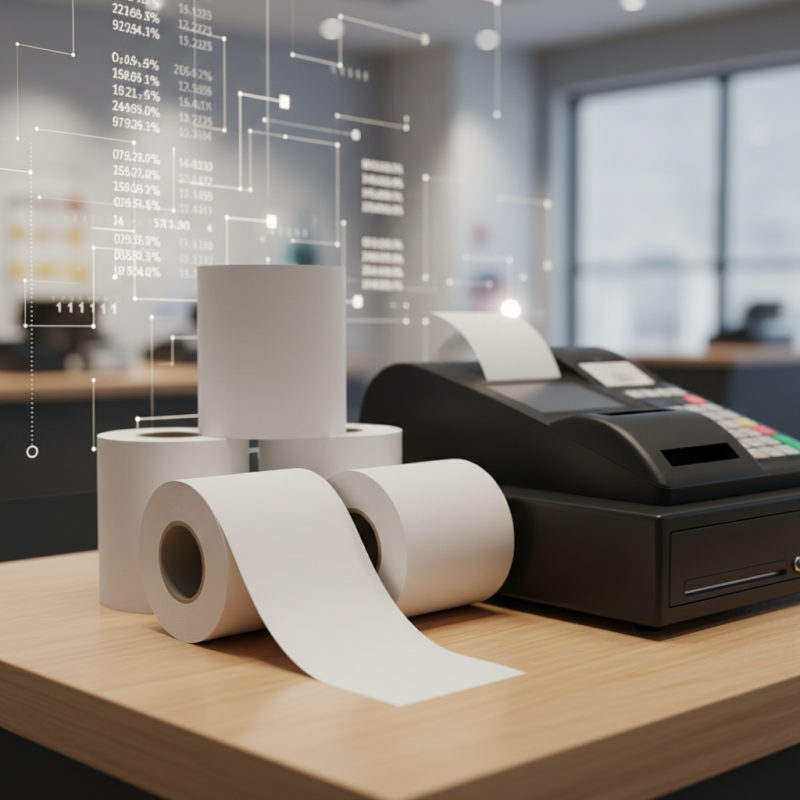
What Is Thermal Cash Register Paper?
Thermal cash register paper is a specialized type of paper used in point-of-sale systems. It is designed to work with thermal printers. This paper is coated with a chemical that changes color when exposed to heat. The result is a clear and durable printout, perfect for receipts.
Unlike traditional paper, thermal paper does not need ink. This feature reduces the cost and maintenance of printers. Businesses from retail to food services use it. The paper comes in rolls that fit various printer models. Its compatibility makes it a popular choice in many industries.
While thermal paper is effective, it has limitations. For instance, exposure to heat and light can fade the prints over time. This can affect record-keeping. Additionally, disposing of thermal paper requires careful consideration, as it may contain harmful chemicals. These factors are important for businesses to reflect on. Understanding these aspects can lead to better decision-making regarding paper usage.
The Composition and Characteristics of Thermal Paper
Thermal cash register paper is widely used in retail settings. Its composition plays a crucial role in its functionality. Thermal paper is primarily made of a base paper coated with a heat-sensitive chemical layer. This coating reacts to heat, producing clear and durable prints without the need for ink.
The thermal properties of the paper allow for quick printing. When heated, the coating changes color, creating the text and images we see on receipts. Characteristics such as sensitivity to temperature and light exposure are critical. Reports indicate that improper storage can significantly reduce the paper's lifespan, leading to legibility issues. For instance, exposure to high temperatures can result in fading.
Additionally, the environmental impact of thermal paper is a topic of concern. Many thermal papers are treated with Bisphenol A (BPA), a chemical that raises health and environmental alarms. Alternatives like BPA-free thermal paper exist, but they may come at a higher cost. Choosing the right thermal paper requires balancing cost, usability, and environmental impacts.
How Thermal Cash Register Paper Works
Thermal cash register paper is a special type of paper used in many point-of-sale systems. It works through a unique process involving heat-sensitive materials. When heated, these materials change color, creating text and images. This allows businesses to print receipts quickly and efficiently.
The thermal printing process is simple. First, the paper passes through a thermal printer. The printer heats specific areas of the paper. This action creates the desired print. No ink is required, which reduces costs. However, the prints can fade over time due to exposure to heat or light.
Tips: Store thermal paper in a cool, dark place to prolong its lifespan. Avoid placing it near heat sources. Regularly check your printer's settings. Proper maintenance ensures quality prints.
Using thermal cash register paper offers benefits, but there are issues to reflect on. Not all printers support thermal rolls of the same size. Some businesses may struggle to find compatible paper. Understanding these challenges can lead to better decision-making in the long run.
Common Applications of Thermal Cash Register Paper
Thermal cash register paper is widely used in various retail and service industries. It is known for its quick printing capabilities and excellent image quality. You’ll often find it in point-of-sale (POS) systems in stores, restaurants, and cafes. This type of paper reacts to heat, creating legible prints without needing ink. It simplifies transactions, making it a critical tool for businesses.
One common application is in supermarkets. They use thermal paper for receipts, ensuring customers receive clear records of their purchases. Restaurants also rely on it for printing order tickets. This helps servers manage orders quickly and efficiently. However, some businesses face issues with fading prints under certain conditions. It's crucial to store the paper properly to avoid this problem.
Tips: Always keep thermal paper away from direct sunlight. Heat and light can cause prints to fade. Consider using paper with a protective coating for added durability. Regularly check your supplies to prevent running out during busy hours. This simple practice can save time and frustration.
Best Practices for Storing and Using Thermal Paper
Thermal cash register paper is commonly used in retail environments. Proper storage and handling of thermal paper are crucial for its longevity and usability. Keeping the paper in a cool, dry place can prevent damage. Avoid areas with direct sunlight, as UV rays can fade the printed text over time.
It's important to check the expiration date on the thermal paper. Using old paper might result in poor quality prints. Keeping thermal paper away from heat sources is also necessary. Excessive heat can cause the paper to darken or become unusable. Always store rolls upright to maintain their structure and prevent warping.
When using thermal paper, be mindful of how often you change the rolls. Frequent changes may increase waste. Consider using alerts to remind yourself when to replace them. This practice not only helps with efficiency but also reduces unnecessary costs. Overall, paying attention to storage and usage details can make a significant difference in the performance of thermal cash register paper.