Why Are Surgical Instruments Essential for Successful Surgeries?
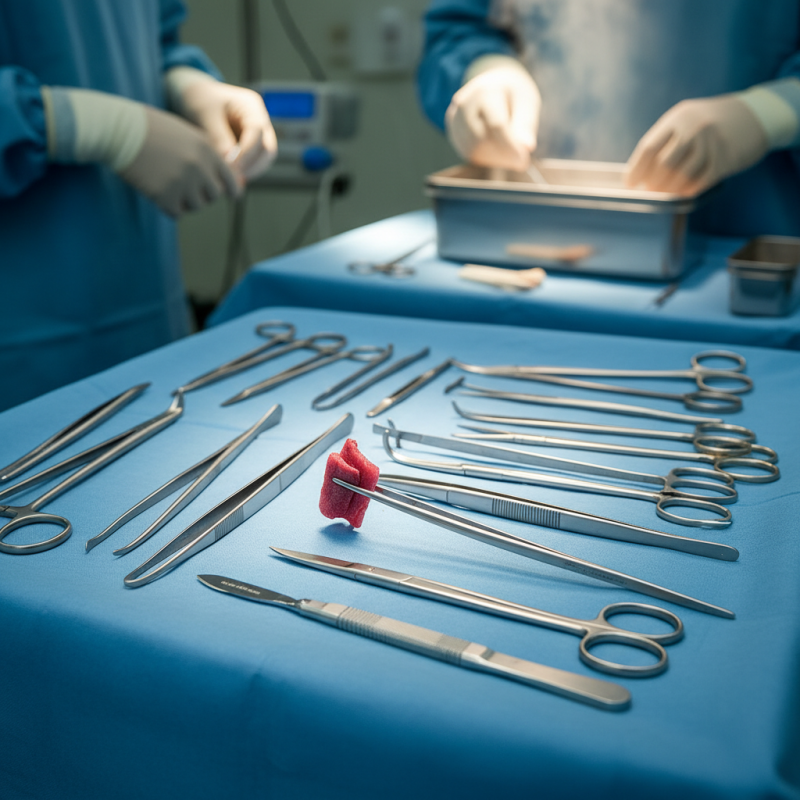
Surgical Instruments are vital to the success of any surgical procedure. These tools facilitate precision, efficiency, and safety during operations. Without the right instruments, even skilled surgeons can struggle to achieve optimal results.
Each surgical instrument plays a specific role. Scalpels, forceps, and scissors are just a few examples. They help in making incisions, grasping tissue, and cutting. The choice of instruments can greatly impact the procedure's effectiveness. A single mistake in selecting tools can lead to complications.
Moreover, it's essential to maintain these instruments. Sterilization is crucial. Contaminated tools can introduce infections. Surgeons must often reflect on their practices and ensure they follow proper protocols. In surgical settings, every detail matters. A surgeon's confidence in their instruments can influence patient outcomes significantly.
Types of Surgical Instruments and Their Functions
Surgical instruments play a crucial role in the success of operations. Various tools are designed for specific functions, ensuring precision and safety during procedures. For instance, scalpels are used for cutting tissues, while forceps assist in holding structures securely. According to industry reports, improper use of instruments can lead to complications. This emphasizes the need for understanding each tool's role effectively.
Instruments like scissors and clamps serve different purposes. Scissors help to dissect tissues, while clamps control blood flow. In the operating room, the choice of instrument is vital. A study showed that 15% of surgical errors were linked to incorrect instrument selection. Surgeons must know their tools well to mitigate these risks.
Tip: Always ensure that instruments are sterilized before use. Contamination can lead to infections, creating severe issues post-surgery.
Another key aspect is maintenance. Regularly checking instruments for wear and tear is essential. A worn tool can malfunction during a critical moment. A report highlighted that 25% of tool-related issues stemmed from inadequate maintenance. This shouldn't happen in a well-prepared environment.
Importance of Precision and Quality in Surgical Instruments
Surgical instruments play a crucial role in the success of any operation. The precision in crafting these tools directly impacts patient outcomes. High-quality instruments ensure accuracy during procedures. This ultimately reduces complications and speeds up recovery. Maintaining a set of reliable instruments is vital for every surgical team.
When selecting instruments, consider their ergonomics. Tools should fit comfortably in the surgeon’s hand. This allows for better control and more precise movements. Poorly designed instruments can lead to fatigue and errors. Comfort is as important as sharp blades and accurate grips.
Tips: Always inspect instruments before use. Look for any signs of wear or damage. A small flaw can lead to big problems. Ensure that sterilization processes are effective. Infections can stem from improper cleaning. Remember, every detail counts in the operating room.
Role of Surgical Instruments in Minimizing Surgical Risks
Surgical instruments play a vital role in minimizing surgical risks. These tools must be precise and reliable. A well-designed scalpel can ensure clean cuts. This reduces bleeding and enhances recovery.
In the operating room, every detail matters. Surgical instruments must be sterile. Contaminated tools can lead to infections, complicating recovery. For example, a simple clamp, if not properly handled, can cause serious issues. Even the tiniest oversight can affect patient outcomes.
Surgeons rely on tools that provide stability and control. However, not every tool works perfectly. Some instruments can slip, leading to unintended damage. This highlights the importance of training and practice. Surgeons must be adept with their instruments. Continuous reflection on their technique is crucial. Each surgery is a learning opportunity.
Why Are Surgical Instruments Essential for Successful Surgeries? - Role of Surgical Instruments in Minimizing Surgical Risks
| Instrument Type | Purpose | Risk Mitigation | Material |
| Scalpel | Incision | Reduces tissue damage | Stainless Steel |
| Scissors | Cutting tissues | Enhances accuracy | Carbon Steel |
| Forceps | Grasping tissues | Minimizes tissue trauma | Titanium |
| Hemostatic clamps | Control bleeding | Prevents blood loss | Stainless Steel |
| Needle Holder | Holding needles | Improves suturing quality | Stainless Steel |
Innovations in Surgical Instruments and Their Impact on Outcomes
Innovations in surgical instruments play a crucial role in improving patient outcomes. Recent studies suggest that modern tools can reduce surgery times by up to 30%. This efficiency not only benefits surgeons but also minimizes patient exposure to anesthesia. For instance, minimally invasive instruments allow for smaller incisions and faster recoveries. According to data from the American College of Surgeons, hospitals using advanced technology report a 25% decrease in postoperative complications.
Despite these advancements, challenges remain. Access to cutting-edge instruments can vary widely. In underfunded healthcare systems, surgeons often rely on outdated tools. This disparity can negatively affect surgical success rates. A report by the World Health Organization noted that in low-income regions, 40% of surgical instruments are not functional, impacting thousands of patients. The medical community must address these gaps to ensure all patients benefit from innovations.
Moreover, as technology evolves, training becomes essential. Surgeons need proper instruction to utilize new instruments effectively. Misuse can lead to increased risk during operations. A recent survey found that 18% of surgeons reported feeling unprepared to use advanced tools. This indicates that ongoing education is crucial. Investing in training programs can bridge this knowledge gap and ultimately improve surgical outcomes for all patients.
Impact of Surgical Instrument Innovations on Surgical Outcomes
Training and Skill Development for Effective Use of Surgical Instruments
Surgical instruments play a vital role in the success of surgeries. However, the effectiveness of these tools heavily relies on the training of the surgical team. Proper training helps ensure that every instrument is used efficiently and safely. The operating room can become chaotic. A moment of hesitation can lead to complications.
Training programs should focus on hands-on experience. Simulations can create real-life scenarios for practice. This approach helps surgeons develop muscle memory and fine-tune their precision. Yet, it's essential to acknowledge that even with training, mistakes can happen. Reflection on errors is crucial for improvement. Surgeons must dissect their experiences and learn from missteps.
Skill development is not static; it requires constant reassessment. The medical field evolves rapidly, introducing new techniques and instruments. Continuous education and training are critical for maintaining proficiency. Discussing surgical techniques with peers often reveals gaps in knowledge. This collaborative learning fosters growth and enhances surgical outcomes.