What is a stainless steel submersible pump and how does it work?
A stainless steel submersible pump is an essential device in various applications, from agriculture to construction. These pumps are designed to operate while fully submerged in water. Their sturdy construction, made from stainless steel, ensures durability and resistance to corrosion in harsh environments.
Understanding how a stainless steel submersible pump works is crucial. These pumps use a motor to create pressure, pushing water to the surface. Unlike standard pumps, they do not require priming. This characteristic makes them reliable and effective for deep well applications. Many users may overlook the pump's maintenance needs, thinking it is a hassle. However, regular checks and cleanings are vital for longevity.
The design of stainless steel submersible pumps is often overlooked. Yet, the details matter significantly. A well-designed pump can enhance efficiency and reduce energy consumption. Users should reflect on their specific needs before selecting a pump. Choosing the right pump can save costs in the long run.
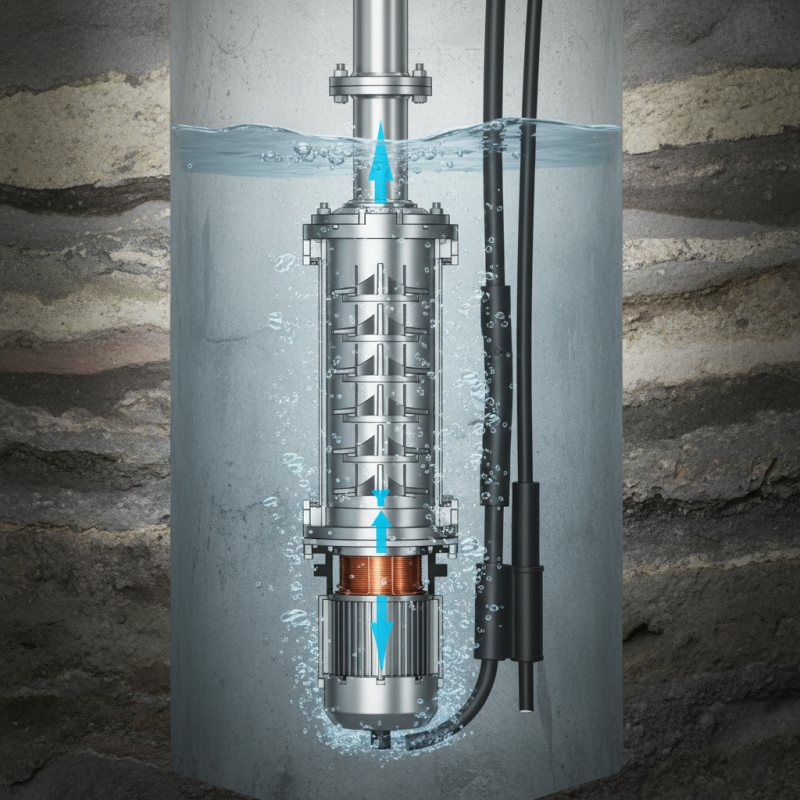
What is a Stainless Steel Submersible Pump?
A stainless steel submersible pump is designed for underwater operation. It is used to move water or other liquids from one place to another. Made entirely from stainless steel, it resists corrosion and can handle harsh environments. This durability makes it ideal for a variety of applications, including agriculture, construction, and mining.
The pump operates by using a motor that’s sealed within the pump housing. When powered, the motor drives a series of impellers. These impellers generate pressure that pushes the fluid through the pump and up to the surface. The design allows for efficient water movement, even from significant depths. Users appreciate the high performance, but maintenance can be tricky. Regular checks are essential to avoid issues, especially in challenging conditions.
While stainless steel pumps excel in cleanliness, they have their downsides. For instance, the weight can make installation challenging. Additionally, incorrect sizing may lead to inefficiencies. Understanding the specific needs before choosing a pump is crucial. This attention to detail ensures reliability and performance, which are essential in any pumping application.
What is a Stainless Steel Submersible Pump and How Does It Work?
| Feature | Description |
| Material | Stainless steel, which offers corrosion resistance and durability. |
| Operation | Designed to be submerged in water for pumping applications. |
| Applications | Used in groundwater extraction, irrigation systems, and wastewater management. |
| Pump Type | Diffuser type, which works on the principle of converting rotational energy into hydraulic energy. |
| Power Source | Electric motor, often submerged with the pump. |
| Advantages | High efficiency, long lifespan, low maintenance costs, and capability to handle solids. |
| Disadvantages | Initial installation cost and potential need for specialized maintenance. |
Components of a Stainless Steel Submersible Pump
A stainless steel submersible pump is designed to function underwater. Its components include a motor, impeller, and motor housing, each made from high-quality stainless steel. This material is vital as it resists corrosion, making the pump suitable for wastewater and aggressive liquids. Reports suggest that stainless steel components increase durability by up to 20% compared to plastic alternatives.
The motor is typically sealed to prevent water ingress. The impeller plays a critical role in driving fluid through the pump. It creates flow by converting rotational energy into kinetic energy. Many manufacturers emphasize the importance of proper sizing for the impeller to avoid cavitation, which can damage the pump over time. Regular inspections are often overlooked, which could lead to significant failures.
Another essential aspect is the motor housing. It protects internal components while ensuring efficiency. However, if the pump is submerged in abrasive environments, wear can occur faster. This necessity for balance highlights the importance of thoughtful installation and maintenance. Many industry reports indicate that improper maintenance can reduce a pump's lifespan by up to 30%. Understanding these components allows for better decision-making in pump selection and management.
How a Stainless Steel Submersible Pump Functions
A stainless steel submersible pump is designed for underwater use. Its key feature is the body made of stainless steel, which resists corrosion. This durability is essential for applications like well water extraction and sewage removal. The pump operates by using a motor to create suction. This draws fluids into the pump’s intake and then pushes them upwards through a discharge pipe.
Stainless steel's strength allows these pumps to handle harsh conditions. They often work in various environments, from residential to industrial. A typical application is in agriculture, where they move large quantities of water for irrigation. Their efficiency relies on the design of impellers and the motor horsepower used.
Tips: Regular maintenance is crucial. Check for any debris blocking the pump. This ensures optimal performance and longevity. Additionally, installing a protective cover can prevent damage from floating objects.
Sometimes, these pumps can overheat if used continuously. Monitoring the temperature can help prevent malfunctions. Not all submersible pumps are equal; understanding the specific needs of your application ensures the right choice. Consider flow rate and depth requirements before purchasing.
Applications of Stainless Steel Submersible Pumps
Stainless steel submersible pumps are widely used in various applications due to their durability and resistance to corrosion. These pumps are ideal for handling clean water and other non-corrosive fluids. They can operate effectively in deep wells and boreholes, making them essential for agricultural and industrial uses. The design allows them to be submerged, ensuring efficient water placement.
In agriculture, these pumps help in irrigation systems. They deliver water to fields and crops, ensuring consistency in moisture. In commercial settings, they are crucial in groundwater management. They extract water from aquifers or manage flooding in industrial sites. Their reliability makes them a favorite in municipal water supplies.
While stainless steel submersible pumps have many advantages, they also require proper maintenance to avoid issues. Corrosion can still occur if not monitored. Additionally, installation can be challenging, especially in deep settings. Regular checks on performance can help address any emerging problems, ensuring the pump operates smoothly. Attention to these details is essential for maximizing efficiency.
Advantages of Using Stainless Steel Submersible Pumps
Stainless steel submersible pumps offer numerous advantages, especially in challenging environments. They are designed to operate underwater and are ideal for applications like drainage or irrigation. One key benefit is their resistance to corrosion. Stainless steel can withstand exposure to various fluids, which enhances durability.
Another significant advantage is their high strength-to-weight ratio. These pumps can handle heavy loads without adding excessive weight. This feature simplifies installation and maintenance. Additionally, their efficiency in moving water reduces energy consumption, making them cost-effective over time. Many users appreciate the silent operation of these pumps, which is important in residential areas.
Despite these benefits, some users have faced issues regarding maintenance. Over time, components may wear out, and replacement can sometimes be costly. Users should regularly inspect their pumps to ensure optimal performance. This proactive approach can prevent more significant issues down the line. Balancing advantages with potential drawbacks is essential for long-term success.