What is a Smart Exercise Bike and How Does It Work?
Smart Exercise Bikes have transformed the fitness landscape, offering connected and interactive experiences for users at all levels. According to the Global Health and Fitness Association, the smart fitness equipment market is projected to surpass $3 billion by 2025. These bikes not only track performance but also provide immersive workouts through technology. Expert fitness consultant Dr. Emily Carter states, "The Smart Exercise Bike bridges the gap between traditional cycling and modern technology."
With features like live streaming classes and customized training plans, the Smart Exercise Bike caters to diverse fitness goals. However, some users report feeling overwhelmed by the technology. They crave simplicity in their workout routines, suggesting a balance between tech integration and ease of use is needed.
Moreover, while data tracking offers insights, it can lead to dependency. Users should reflect on their relationship with the devices. Overall, the Smart Exercise Bike represents innovation in home fitness, but with it comes the responsibility to maintain a personal connection with exercise.
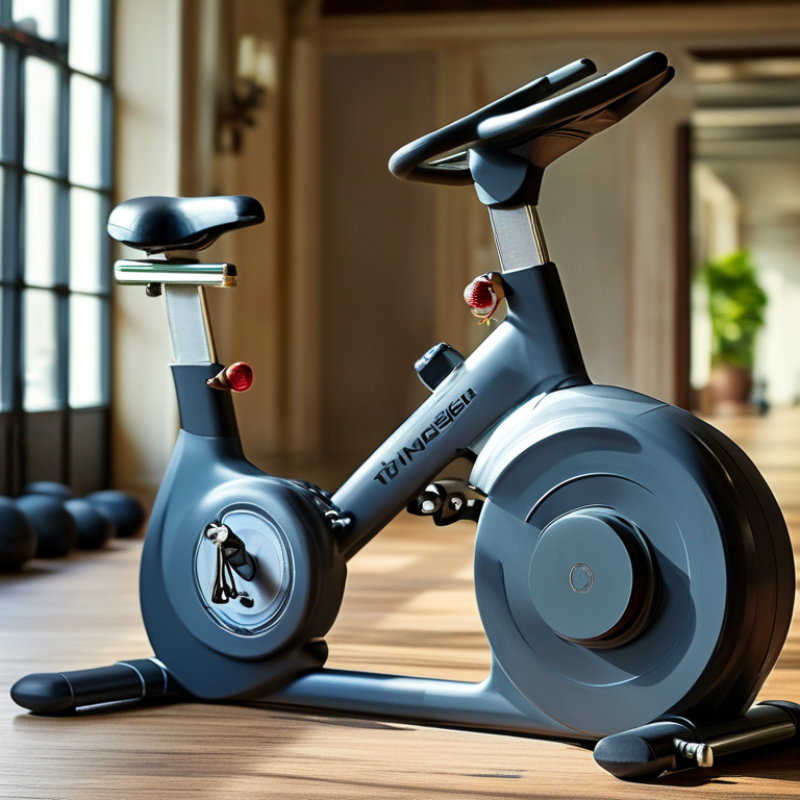
Understanding Smart Exercise Bikes: Definition and Features
Smart exercise bikes are transforming how we approach fitness. Unlike traditional bikes, they offer technology integration. This innovation enables users to track performance metrics in real time. Metrics such as speed, distance, and heart rate are displayed on a connected screen. Many smart bikes also connect to apps, enhancing the workout experience. Users can join virtual classes or compete with friends remotely.
These bikes often have adjustable resistance settings. This feature allows for personalized workouts that cater to different fitness levels. Some models even include interactive workouts led by professional trainers. Users often appreciate this dynamic aspect. However, the reliance on technology can be a double-edged sword. Some people find it distracting or overwhelming. As with any fitness equipment, it's essential to ensure it matches your personal goals and preferences. Not every user benefits from high-tech features, which can lead to frustration. Finding the right balance between technology and a straightforward workout can enhance your overall experience.
Key Components of a Smart Exercise Bike and Their Functions
Smart exercise bikes are revolutionizing home fitness. These bikes incorporate technology to enhance the workout experience. They provide data-driven insights and connectivity features that appeal to fitness enthusiasts. Key components play a vital role in their functionality.
One crucial feature is the resistance mechanism. Most smart bikes use magnetic or electronic resistance. This allows for precise adjustments during workouts. Studies show that maintaining optimal resistance improves calorie burn by 20% compared to traditional bikes. Another essential component is the integrated touchscreen. This display offers interactive workout classes and tracking metrics like heart rate and distance. Reports indicate that 70% of users feel more motivated when workouts are gamified.
Additionally, connectivity is a significant factor. Most smart bikes connect to fitness apps and social platforms. This allows users to track their performance and share achievements. More than 60% of riders report increased engagement through community features. These aspects not only enhance user experience but also encourage accountability and consistency in workout routines. However, some users find the reliance on technology overwhelming. Balancing virtual engagement with personal workout goals is important.
How Smart Exercise Bikes Utilize Technology for Enhanced Workouts
Smart exercise bikes have transformed home workouts by integrating technology to enhance user experience. These bikes come equipped with features such as interactive screens, heart rate monitors, and performance tracking. A study from the American Council on Exercise found that engaging with interactive fitness equipment can boost workout motivation by 43%. This indicates how these bikes can make home routines more engaging and effective.
The technology in smart exercise bikes allows users to track metrics like distance, calories burned, and average speed in real-time. Some models even adapt resistance levels automatically based on user performance. Data from the Fitness Industry Association states that personalized workouts increase adherence to fitness programs by up to 60%. This adaptability helps maintain workout intensity, catering to various fitness levels.
While technology enhances workouts, it also presents challenges. Users might rely too heavily on metrics, potentially leading to burnout or injury. Moreover, not every user might feel comfortable with advanced features, creating a gap in user experience. Reflection on these aspects can help enhance the design and functionality of future models. Thus, smart exercise bikes are a tool that, while beneficial, require thoughtful use to achieve lasting fitness goals.
The Benefits of Using a Smart Exercise Bike for Fitness Enthusiasts
Smart exercise bikes are revolutionizing home fitness. They offer a blend of technology and workout efficiency. According to recent market research, the smart fitness equipment market is expected to grow by 23% annually, highlighting their rising popularity among fitness enthusiasts. These bikes track various metrics, including heart rate, calories burned, and workout intensity. This data empowers users to monitor their progress clearly.
The interactive nature of smart bikes enhances the workout experience. Users can engage in virtual classes and compete with others, making exercise more enjoyable. A study from the American Council on Exercise indicates that enjoyable workouts lead to higher stickiness in fitness routines. Notably, participants using smart bikes reported a 25% increase in workout frequency. However, some may feel overwhelmed by the technology, which can distract from the actual workout.
Personalizing workouts is another advantage. Smart bikes can adjust resistance levels based on user performance or goals. Still, the reliance on technology raises concerns. Users may need to balance tech interaction with traditional cycling to avoid potential burnout. Many find it challenging to disconnect from metrics. Ultimately, while smart bikes enhance fitness experiences, users should remain mindful of finding a sustainable approach.
Tips for Choosing the Right Smart Exercise Bike for Your Needs
Choosing the right smart exercise bike can be daunting. Start by assessing your fitness goals. Are you looking for a bike for casual workouts or intense training? Knowing your objectives will shape your decision. Different models offer varied resistance levels and training programs. For beginners, simpler models might suffice, while advanced users may seek more sophisticated features.
Consider the bike's connectivity options. Many smart bikes sync with apps and fitness trackers. These features enhance your workout experience. They allow for tracking progress and accessing virtual training sessions. However, some users find the technology overwhelming. A simplified interface may be more suitable for those who prefer straightforward workouts without complex setups.
Don’t overlook the importance of comfort. The bike should fit your body well. Look for adjustable seats and handlebars. A good fit can prevent injuries and improve performance. Some users might decide based on available space. A compact bike may be necessary for smaller homes. Reflect on these factors to find the best fit for your needs.
What is a Smart Exercise Bike and How Does It Work? - Tips for Choosing the Right Smart Exercise Bike for Your Needs
| Feature | Description | Benefits | Considerations |
| Interactive Workouts | Offers live classes and on-demand workouts through an integrated screen. | Motivation and variety in workout routines. | Requires a subscription for full access to classes. |
| Connectivity | Syncs with fitness apps and devices via Bluetooth. | Track workouts and progress easily. | Compatibility with devices varies by model. |
| Adjustable Resistance | Allows users to change the bike's resistance levels according to fitness goals. | Customizable workouts for different fitness levels. | Resistance may be automatic or manual depending on the bike. |
| User Profiles | Multiple user profiles for personalized settings and progress tracking. | Convenient for families or multiple users. | Some bikes may limit the number of profiles. |
| Space Saving Design | Compact and foldable options available. | Ideal for small living spaces. | May compromise on sturdiness. |