Media

WE’RE GETTING NOTICED...

How to Choose U 40 Insulin Needles in 2026?

Choosing U 40 Insulin Needles in 2026 starts with one essential check: the insulin concentration and delivery device must match. U-40 insulin contains 40 units per milliliter, so it requires equipment clearly labeled for U-40 use. A product title alone is not enough. Read the package, inspect the syringe markings, and confirm the needle or syringe is compatible with your prescribed insulin and device. Small details matter.

Needle length and gauge can affect comfort and handling, but there is no single best choice for everyone. Your injection site, technique, and personal needs all matter. Ask a healthcare professional or pharmacist to help compare options, especially if you are changing brands or switching devices. Never estimate a dose using a different syringe scale or transfer markings between U-40 and U-100 products. That can cause a serious dosing error. If a label seems unclear, pause and verify it before use. It may feel like an inconvenient extra step, but guessing is not worth the risk.

This guide explains what to check when comparing U 40 Insulin Needles in 2026, including labeling, fit, needle dimensions, packaging, and safe handling. Product descriptions can be confusing, and even careful readers may miss a small marking. Use the information as a starting point, not a substitute for individualized medical advice.
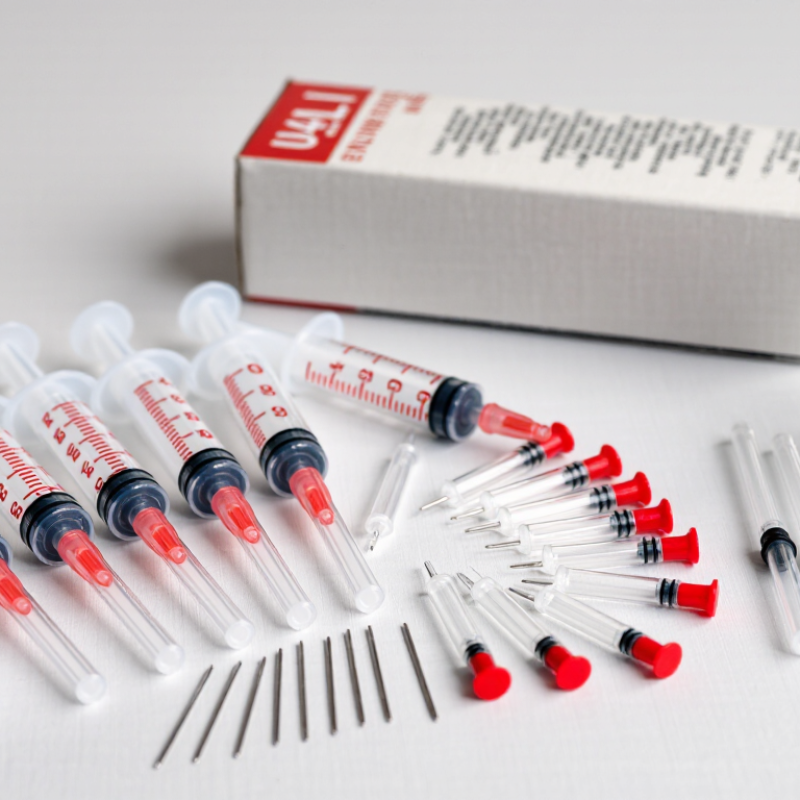
How to Choose U 40 Insulin Needles in 2026?

Understand What U-40 Insulin Means and Which Devices Use It

U-40 describes insulin containing 40 units of insulin per milliliter. The number refers to concentration, not needle length or thickness. A U-40 syringe has graduations designed for that concentration, so its markings correspond to U-40 doses. Check the package and syringe barrel for the U-40 label. Small markings can be easy to misread.

Some prescribed insulin formulations, including certain veterinary formulations, are U-40. They are generally used with a matching U-40 syringe when the instructions specify one. An insulin pen is different: its dose is set on the pen, and it requires a compatible pen needle. A pen needle alone does not determine insulin concentration. Confirm that the pen is intended for the prescribed insulin and follow its instructions.

Do not substitute a U-100 syringe for a U-40 syringe, or estimate a conversion by eye. The scales differ, and a mismatch can cause a serious dosing error. It may seem like a small distinction. It matters. If the container, syringe, or pen markings are unclear, pause and ask a pharmacist or prescribing clinician to check the exact combination. Even familiar devices can look alike; I would not rely on color or memory alone.

Confirm the Insulin and Syringe Are Properly Matched

How to Choose U-40 Insulin Needles in 2026?

Confirm the Insulin and Syringe Are Properly Matched

U-40 insulin contains 40 units per milliliter, so it must be measured with a syringe calibrated for U-40. Check the insulin label and syringe markings every time, even if the packaging looks familiar. The needle’s size or appearance does not confirm that the syringe scale matches your insulin. Small print matters.

Before preparing a dose, compare the concentration on the insulin container with the calibration printed on the syringe. If either label is unclear, stop and ask a pharmacist or prescribing clinician to verify the match. Do not estimate a dose using a different syringe scale or attempt a conversion without professional instructions. Similar-looking supplies can be confusing; that is easy to overlook.

Tips: Keep the insulin and its matching syringes together, and read the markings in good light. Check the label again after opening a new package. Never rely on color alone. If the insulin or syringe seems different from what you usually use, pause before injecting and get qualified guidance.

Choose Needle Length and Gauge for the Injection Site

How to Choose U 40 Insulin Needles in 2026?

Choose needle length and gauge for the injection site, not just the insulin concentration. U-40 describes insulin strength; it does not specify needle size. Use a syringe calibrated for U-40 insulin, and confirm the markings match your prescription. A mismatch can cause a serious dosing error.

For subcutaneous injections, shorter needles are often suitable for many adults, but the right length depends on body build, site, and technique. The abdomen, thigh, and upper arm may be used when your clinician recommends them. A 4 mm needle is common with insulin pens; U-40 syringes may have different fixed needle options. Check the package and ask a pharmacist or clinician which length fits your syringe and routine. Keep the injection into fatty tissue, not muscle. Small detail, big difference.

Gauge describes needle thickness: a higher gauge generally means a thinner needle. Thinner may feel gentler, though it can take longer to inject or bend more easily. Rotate sites, and avoid bruised, scarred, firm, or lumpy skin. I would not assume one site or gauge suits everyone. If injections hurt, leak, or leave persistent marks, review your technique and needle choice with a healthcare professional rather than changing dose or equipment on your own.

How to Choose U 40 Insulin Needles in 2026? - Choose Needle Length and Gauge for the Injection Site
Selection factor What to know Practical guidance
U-40 compatibility U-40 insulin contains 40 units per millilitre. Syringe markings must match the insulin concentration. Use a clearly marked U-40 syringe with U-40 insulin. Do not substitute a U-100 syringe or convert the dose yourself; ask a pharmacist or prescriber if the match is unclear.
Needle length Insulin syringes may have short or longer needles, commonly around 6 mm, 8 mm, or 12.7 mm; available options vary by product and location. A shorter needle can help reduce the chance of injecting into muscle. Choose the length with a healthcare professional, considering age, body build, injection technique, and the device instructions.
Needle gauge Gauge describes needle thickness: a higher gauge number means a thinner needle. Insulin syringe needles are commonly in the 28–31G range. Gauge does not determine the insulin dose. Select a compatible needle based on comfort, product availability, and professional advice.
Abdomen A common subcutaneous injection area. Avoid the area immediately around the navel and do not inject into bruised, scarred, or irritated skin. Rotate injection points within the approved area. Use the technique and needle length recommended for your body and syringe.
Thigh The outer or front area of the thigh may be used when recommended. Avoid injecting close to the knee or groin. Injection into muscle can affect insulin absorption. Ask a healthcare professional how to use the chosen needle length and technique for this site.
Upper arm or buttock These may be suitable subcutaneous sites for some people, but reaching the area and maintaining consistent technique can be difficult. Get instruction before using these sites, especially if injecting yourself. Rotate points and follow the care plan for your insulin.
Rotation and skin checks Repeated injections in the same spot can cause lumps or thickened tissue, which may make absorption less predictable. Move to a new point each time, inspect and feel the skin regularly, and avoid areas with lumps or other changes.
Safe use Needle and syringe instructions differ by product. Reusing or sharing needles can increase infection and injury risks. Use a new sterile needle and syringe for each injection, never share them, and dispose of used sharps in an approved sharps container.
This table provides general information, not an individual prescription. Confirm the insulin concentration, syringe markings, needle length, injection sites, and technique with your healthcare professional or pharmacist.

Check Device Fit, Sterility, and Single-Use Design

How to Choose U 40 Insulin Needles in 2026?

U-40 describes insulin concentration, not a special needle size. U-40 insulin contains 40 units per milliliter, so use a syringe calibrated for U-40. A mismatch can lead to a serious dosing error. Check the label carefully.

Confirm that the needle fits the syringe or insulin device you use. Look at the package instructions for connector type and needle length. Don’t rely on appearance alone. If anything feels uncertain, ask a pharmacist or diabetes care professional before use. That small check is worth the pause.

Sterility matters. Choose an unopened package, and inspect it for tears, moisture, or damage before use. Keep the needle capped until you are ready. Use each needle once, then place it in an approved sharps container. Never share needles or reuse them, even if they look clean. I know it can seem wasteful, but reuse may blunt the tip and increase contamination risk. Ask your care team how to dispose of sharps safely where you live.

Review Safe Handling, Disposal, and Professional Guidance

U-40 insulin is formulated at 40 units per milliliter, so the measuring device must be clearly calibrated for U-40. Check the package and markings before each use. A U-40 syringe is not interchangeable with a U-100 syringe. The needle itself does not determine the dose; the syringe scale does. This distinction can be easy to overlook when supplies look similar. Never estimate a conversion or change a prescribed dose on your own. Ask a pharmacist or diabetes care professional to confirm that your insulin, syringe, and instructions match.

Handle each syringe with clean hands, and avoid touching the needle or letting it contact a surface. Do not share syringes, even when the needle appears unused, and follow your clinician’s instructions about single use. Dispose of used needles promptly in an approved sharps container; do not leave them loose in a bag or household bin. Keep the container upright and out of reach of children and pets. Small details matter.

Disposal rules can vary by location, so ask a pharmacist or local health service how to discard a sealed sharps container. If the markings are unclear, the syringe is damaged, or you are unsure which supplies you have, pause and get professional guidance before injecting. It may feel inconvenient. A quick check is safer than a guess.