Media

WE’RE GETTING NOTICED...

What Is a Glass Pitcher and How to Choose One?

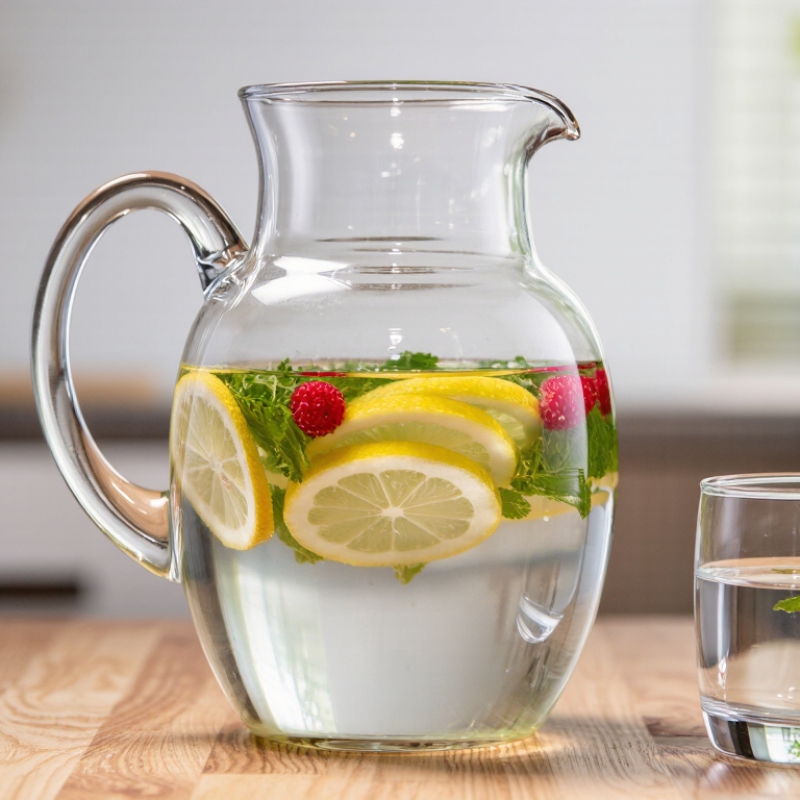
A Glass Pitcher is more than an attractive container for water, juice, or iced tea. It brings clarity to the table and lets guests see lemon slices, mint leaves, or floating berries. In daily use, however, appearance is only one part of a reliable choice. A well-designed pitcher should feel balanced when filled, pour without dripping, and remain comfortable during repeated serving.

Material quality matters. Look for durable, food-contact-safe glass with a smooth rim and a stable base. Borosilicate glass can handle temperature changes better than ordinary glass, but it is not unbreakable. Avoid moving a hot pitcher directly onto a cold stone counter. That small mistake may cause thermal shock. Capacity also deserves practical thought. A one-liter model suits a couple, while a larger pitcher may serve a family without constant refilling.

The lid should fit securely but open easily for cleaning. A wide mouth is useful for adding fruit and reaching the bottom with a brush. Check whether the handle leaves enough space for larger hands. Some decorative pitchers look elegant yet feel awkward when full. That detail is easy to miss. Even experienced shoppers can focus too heavily on design.

This guide explains what a Glass Pitcher is, how its construction affects everyday performance, and which features deserve closer attention. The recommendations emphasize comfort, durability, safe handling, and honest value rather than fashionable claims. Your best choice may not be the most expensive one. It should simply match your habits, space, and serving needs.
What Is a Glass Pitcher and How to Choose One?

What Is a Glass Pitcher?

A glass pitcher is a vessel designed to hold and pour drinks, usually made from clear, food-contact glass. Unlike opaque containers, it lets you see the liquid, fruit slices, ice, and sediment inside. This simple visibility helps when serving water, juice, iced tea, or homemade lemonade. A well-designed pitcher often has a stable base, a comfortable handle, and a spout that controls drips. Some models include lids or strainers for herbs, citrus, and ice.

The glass type matters. Heat-resistant glass can manage warmer liquids, but sudden temperature changes may still cause cracking. Do not pour boiling liquid into a cold pitcher unless its instructions permit it. Check the rim for smoothness, then hold the handle while testing the pouring angle.

I still sometimes fill a pitcher too high, especially when adding ice. That small mistake makes serving messy. Capacity also deserves attention. A smaller pitcher feels easier to lift, while a larger one may become heavy when filled.

Tips: Choose a wide opening for easier cleaning and adding fruit. Look for a thick, steady base on smooth tables. Follow the care instructions before using a dishwasher. Avoid abrasive tools, which can leave fine scratches. If the pitcher develops a chip or crack, stop using it for beverages. Clear glass shows stains quickly, so rinse it soon after serving sweet or acidic drinks.

Key Features and Common Types of Glass Pitchers

What Is a Glass Pitcher and How to Choose One?

Key Features and Common Types of Glass Pitchers

A glass pitcher is a reusable container for serving water, juice, tea, or other cold drinks. Its clear body lets you check the liquid level and notice fruit pieces, ice, or sediment. Borosilicate glass handles temperature changes better than ordinary glass, but it still needs careful use. A thick handle should feel stable when filled. The base should sit flat without rocking. Look for a wide opening, too. It makes cleaning easier and allows larger ice cubes to pass through.

Common types include everyday water pitchers, refrigerator pitchers, infuser pitchers, and heat-resistant pitchers. An infuser model suits lemon, mint, or berries because a removable filter keeps pulp away from the glass. Refrigerator designs usually have a slim shape, although narrow openings can make washing difficult. Heat-resistant pitchers work well for warm tea, but always check the maker’s temperature guidance. Do not pour boiling liquid into a cold pitcher.

I once chose a beautiful narrow model and regretted it after dried fruit stuck near the bottom. A bottle brush helped, but the design was still inconvenient. Capacity matters as well: a small pitcher feels easier to lift, while a large one may become heavy when full.

Choose a lid that fits securely but opens smoothly, especially when serving with one hand. Evaluate the pitcher after imagining daily cleaning, storage, and pouring, not just its appearance.

How to Choose the Right Glass Pitcher

A glass pitcher is a practical container for water, juice, iced tea, or infused drinks. Its clear body lets you check the liquid level and notice fruit pieces or sediment. Choosing the right one depends on more than appearance. Consider capacity, glass quality, handle comfort, lid design, and cleaning needs.

Start with the size that matches your routine. A one-liter pitcher suits a small household, while a larger model works better for gatherings. Thick glass often feels more stable, but it also adds weight. Heat-resistant glass can handle warm beverages, yet sudden temperature changes may still cause damage. Check the product instructions carefully. A wide opening makes cleaning easier, especially around the bottom corners. I once chose a narrow pitcher because it looked elegant. It was difficult to wash by hand.

Tips: Hold the handle before buying, if possible. It should feel balanced when full. Look for a stable base and a lid that stays secure during pouring. A drip-resistant spout helps protect countertops. For daily use, choose dishwasher-safe glass only when the instructions clearly allow it. Avoid pouring boiling liquid into a cold pitcher. Let the glass warm gradually. Small details matter more than decorative shapes. A beautiful pitcher that feels heavy or awkward may remain unused. Check for chips, rough edges, and loose parts before regular use.

Glass Pitcher Materials, Safety, and Durability

A glass pitcher is a practical vessel for water, juice, tea, and chilled infusions. Its safety depends heavily on the glass composition and manufacturing quality. Most pitchers use soda-lime glass, which is affordable and clear. Borosilicate glass tolerates temperature changes better because it expands less under heat. However, borosilicate is not unbreakable.

Check the product’s intended temperature range. Never pour boiling liquid into a cold pitcher unless the manufacturer permits it. Thermal shock can create invisible stress, followed by sudden cracking. Look for thick, even walls, a stable base, smooth rims, and a handle that does not flex. Avoid deep scratches, chips, or cloudy areas. The U.S. Food and Drug Administration evaluates food-contact materials for chemical migration, but household users still need proper care. Glass can be hygienic, yet damaged surfaces deserve caution.

Durability also includes environmental performance. The U.S. Environmental Protection Agency reported a 31.3% recycling rate for glass containers in its 2018 Facts and Figures report. The Glass Packaging Institute states that glass can be recycled repeatedly without losing basic quality. That claim is useful, but local recycling systems vary. I would not assume every collection center accepts heat-resistant glass. Dishwasher labels can mislead, too, because repeated impacts may weaken a pitcher over time. Choose a model with clear care instructions, and remember this: heavier is not always stronger.

What Is a Glass Pitcher and How to Choose One?

Glass pitchers are commonly made from soda-lime glass or borosilicate glass. The chart compares their typical linear thermal expansion coefficients, a useful indicator when evaluating resistance to thermal shock.

How to read the chart: A lower coefficient means the material expands and contracts less when temperatures change, which generally reduces thermal-shock stress. Borosilicate glass is typically better suited to hot-to-cold transitions, while soda-lime glass is common and suitable for normal cold or room-temperature use. Tempering can improve impact strength, but it does not materially change the glass’s thermal expansion coefficient. Always check the product instructions and avoid sudden temperature changes or using a pitcher with chips or cracks.

Care, Cleaning, and Everyday Uses of Glass Pitchers

A glass pitcher is a clear container designed for serving water, juice, tea, or infused drinks. Its transparent body lets you check the liquid level and notice fruit, herbs, or sediment. For everyday use, choose a comfortable handle, a stable base, and a lid that fits securely. Heat-resistant glass is important if you serve warm drinks. A narrow neck can reduce spills, but it may make cleaning more difficult.

Care starts with gentle handling. Rinse the pitcher soon after use, especially after serving sweet drinks or milk-based beverages. Use warm water, mild dish soap, and a soft bottle brush. Avoid abrasive powders, rough scouring pads, and sudden temperature changes. Hot glass placed on a cold surface may crack. I once left a pitcher beside a sunny window, and the water became unexpectedly warm. That small mistake changed how I store glassware.

For stubborn odors, fill the pitcher with warm water and add a little baking soda. Let it sit briefly, then rinse it thoroughly. A diluted vinegar rinse can help with mineral marks, although it may not remove every cloudy patch. Dry the pitcher upside down on a clean towel, with enough space for air to circulate. Glass pitchers work well for chilled water, homemade lemonade, iced tea, and fruit-infused drinks. Keep cut fruit refrigerated, and remove it when the flavor becomes bitter. The pitcher looks attractive, but appearance should never replace safe, clean storage.

What Is a Glass Pitcher and How to Choose One? - Care, Cleaning, and Everyday Uses of Glass Pitchers

Topic Key Information Practical Guidance Best For
Definition A glass pitcher is an open-top container with a handle and pouring spout, commonly used to serve water, juice, iced tea, infused drinks, and other beverages. Choose a shape that is easy to grip, pour, fill, and store. Dining tables, refrigerators, kitchens, offices, and entertaining.
Common Glass Types Soda-lime glass is common and affordable. Borosilicate glass tolerates temperature changes better and is often selected for hot or cold beverages. Check the product instructions before adding hot liquids or moving the pitcher between extreme temperatures. Everyday cold drinks; borosilicate models are more suitable when heat resistance is required.
Typical Capacity Common household capacities range from approximately 1 to 2 liters. Larger pitchers may hold more but become heavier when full. Allow space below the rim to reduce splashing and consider the filled weight before purchasing. About 1 liter for small households; 1.5–2 liters for family meals or guests.
Shape and Stability A broad base improves stability, while a narrow neck and balanced handle can make pouring easier. Tall designs may save table space but can be more prone to tipping. Look for a level base, comfortable handle clearance, and a spout that directs liquid without excessive dripping. Safe serving and regular use by adults and older children.
Lid and Filter Features Lids can help keep out dust and refrigerator odors. Built-in strainers can hold lemon slices, herbs, fruit, or loose tea leaves. Select a removable lid or filter with openings large enough to clean thoroughly. Infused water, iced tea, fruit drinks, and refrigerator storage.
Everyday Uses Glass pitchers can serve chilled water, lemonade, juice, iced tea, coffee, cocktails, and non-carbonated infused beverages. Avoid overfilling carbonated drinks because pressure and foam can cause spills when pouring. Meals, gatherings, meal preparation, and hydration stations.
Hand Washing Warm water, mild dish soap, and a soft bottle brush can remove most beverage residue without scratching the surface. Wash the bottom, shoulder, spout, lid, and handle area. Rinse well to remove soap residue. Delicate shapes, narrow openings, decorative glass, and pitchers with removable parts.
Dishwasher Care Some glass pitchers and lids are dishwasher-safe, but not all are. Repeated heat, movement, or contact with other items may cause damage. Follow the care label, place the pitcher securely, and keep it away from items that could strike the glass. Simple, durable designs specifically marked dishwasher-safe.
Removing Stains and Odors Tea, coffee, juice, and fruit residue can leave discoloration or odors when allowed to dry. Soak with warm water and mild detergent. For persistent residue, use a gentle baking-soda solution and a soft brush; rinse thoroughly. Pitchers used for tea, coffee, citrus drinks, and sweet beverages.
Temperature Safety Sudden temperature changes can create thermal stress and may cause glass to crack or shatter, especially in ordinary glass. Do not pour boiling liquid into a cold pitcher or place a hot pitcher on a cold or wet surface unless the item is designed for that use. Safe handling of chilled and warm beverages.
Storage and Inspection Glass may chip or crack after impact, even when damage is small and difficult to see. Dry completely before storage, avoid stacking unless designed for it, and stop using the pitcher if it has cracks, sharp chips, or deep scratches. Long-term safe use and organized kitchen storage.