Choosing a Feyree Ev Charger Malaysia supplier is not just a price comparison. Global buyers need clear specifications, dependable documentation, and responsive support after delivery. The International Energy Agency’s Global EV Outlook 2024 reports that public charging points worldwide exceeded four million in 2023, rising about 40% year over year. That growth makes charger quality and supply reliability increasingly important.
IEA Executive Director Fatih Birol said, “The continued growth of electric cars is encouraging, but there is still a long way to go to align with net zero emissions by 2050.” For buyers, that ambition makes practical details matter: rated power, connector options, cable reach, warranty terms, and access to installation guidance. A supplier should provide verifiable product data, not just polished catalog images. Ask how each unit is tested and what technical support is available across markets. Small details count. A cable that cannot comfortably reach a vehicle’s charge port can turn a promising installation into a daily inconvenience.
This guide introduces suppliers serving international buyers and the questions worth asking before requesting a quotation. Compare product documentation, communication, delivery planning, and after-sales service—not price alone. Yet supplier pages may leave gaps, and a confident sales reply is not proof of performance. Verify claims independently. That extra step can feel slow, but it is often cheaper than discovering missing support after a charger arrives.
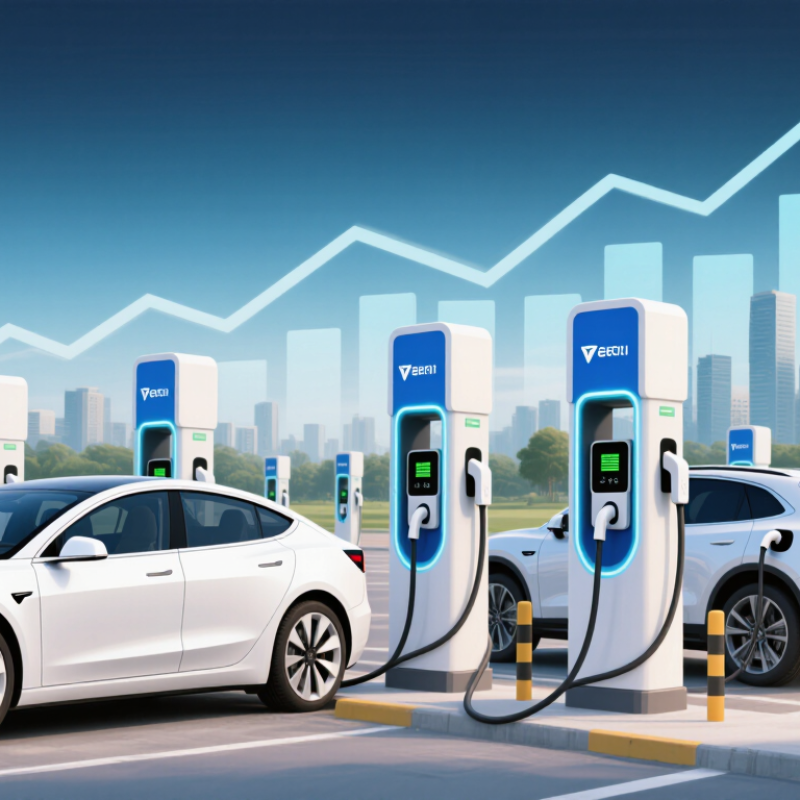
For global buyers sourcing EV chargers in Malaysia, IEC 61851 describes charging modes and the controls used to manage power safely. These modes explain the connection arrangement, not simply the speed shown on a product sheet. That distinction matters. Mode 2 uses an in-cable control and protection device, while Mode 3 uses dedicated AC charging equipment. Mode 4 supplies DC through off-board equipment. Buyers should confirm the charger’s mode, rated power, and installation requirements before comparing quotations.
IEC 62196 covers the plugs and vehicle inlets used for charging. Type 2 connectors are common for AC charging in many markets, while CCS connectors support DC charging. Compatibility still depends on the vehicle inlet, cable, charger output, and local electrical setup. A connector that fits physically may not provide the charging function a buyer expects. Check technical documentation, not just product photos.
Ask suppliers for clear specifications, test documentation, and details about cable length, enclosure rating, and operating temperature. These details affect real installations, especially in humid or rainy conditions. Standards references are useful, but they do not replace project-specific checks. Even experienced buyers can overlook a small mismatch. It happens. Verify regional requirements with a qualified installer before shipment or commissioning.
| Topic | Standard or Typical Detail | Buyer-Relevant Information | What to Verify |
|---|---|---|---|
| IEC 61851 Mode 1 | AC charging from a standard socket without dedicated in-cable control and protection functions. | A basic charging arrangement; suitability depends on local electrical rules and the installation. | Check local regulations, socket rating, circuit protection, earthing, and vehicle compatibility before use. |
| IEC 61851 Mode 2 | AC charging using a cable with an in-cable control and protection device (IC-CPD). | Portable charging option for compatible outlets; the IC-CPD provides control and specified protective functions. | Confirm the IC-CPD specifications, plug type, protective features, and approval requirements for the destination market. |
| IEC 61851 Mode 3 | AC charging through dedicated EV supply equipment (EVSE), with control-pilot communication between the EVSE and vehicle. | Commonly used for fixed home, workplace, and public AC charging installations. | Check the EVSE output, installation requirements, load-management options, connector, and vehicle support. |
| IEC 61851 Mode 4 | DC charging using off-board power-conversion equipment, with control and communication functions. | Used for DC fast-charging systems; the vehicle and charger must support the same charging interface and communication method. | Verify DC connector type, supported voltage and current ranges, communication protocol, and vehicle compatibility. |
| IEC 62196 Type 1 | A vehicle connector for AC charging, commonly associated with single-phase charging applications. | May be found on some vehicles and charging cables, particularly in markets where this interface is established. | Match the connector to the vehicle inlet and check the cable and EVSE ratings for the intended installation. |
| IEC 62196 Type 2 | An AC vehicle connector specified in the IEC 62196 series; used for single-phase and three-phase charging configurations where supported. | A widely used AC interface in many international markets, including installations that serve compatible vehicles. | Confirm whether the EVSE has a socket or tethered cable, and whether the vehicle inlet and site supply match. |
| IEC 62196 Combo 2 (CCS2) | A DC vehicle connector configuration defined in the IEC 62196-3 series, combining an AC interface with additional DC contacts. | Used by compatible vehicles and DC charging stations; connector fit alone does not establish full charging compatibility. | Check the vehicle inlet, charger communication support, and the operating range specified for both products. |
| Malaysia site supply | Nominal low-voltage supply is typically 230 V single-phase or 400 V three-phase at 50 Hz; actual site capacity and configuration can vary. | Supply availability affects the EVSE configuration and achievable charging power. | Have a qualified local professional verify the supply, circuit capacity, protection, earthing, and applicable approvals. |
| Global purchasing checks | Requirements differ by destination, product configuration, installation type, and applicable national regulations. | A supplier’s product documentation should identify the applicable standards and the exact tested configuration. | Request technical datasheets, test reports, certificates where required, warranty terms, spare-parts details, and export documentation. |
Charging mode, connector type, electrical supply, and vehicle compatibility are separate considerations. Confirm all specifications and local requirements before purchase or installation.



All Rights Reserved. EI Robotica 2023.