How to Choose the Right Battery Connector for Your Needs?
In today's world, the importance of choosing the right Battery Connector cannot be overstated. The global battery connector market is projected to reach $16.2 billion by 2027, according to a recent report by MarketsandMarkets. With the rapid growth of electric vehicles and renewable energy solutions, selecting an appropriate connector has become critical. As industry expert Daniel Harper notes, “A reliable Battery Connector is essential for ensuring safety and efficiency in energy systems.”
Battery connectors vary widely in design and application. They can range from simple two-pin connections to complex multi-pin configurations for high-capacity batteries. Understanding the specifications is vital. Many users overlook factors such as voltage ratings, temperature tolerance, and environmental resistance. This can lead to inadequate performance or safety risks.
Moreover, compatibility is key. Not all connectors work seamlessly with every battery type. A mismatch can result in failures and costly downtime. Expert insights indicate that proactive research and analysis are necessary for optimal selection. Addressing these aspects thoughtfully can lead to improved efficiency and longevity in energy systems.
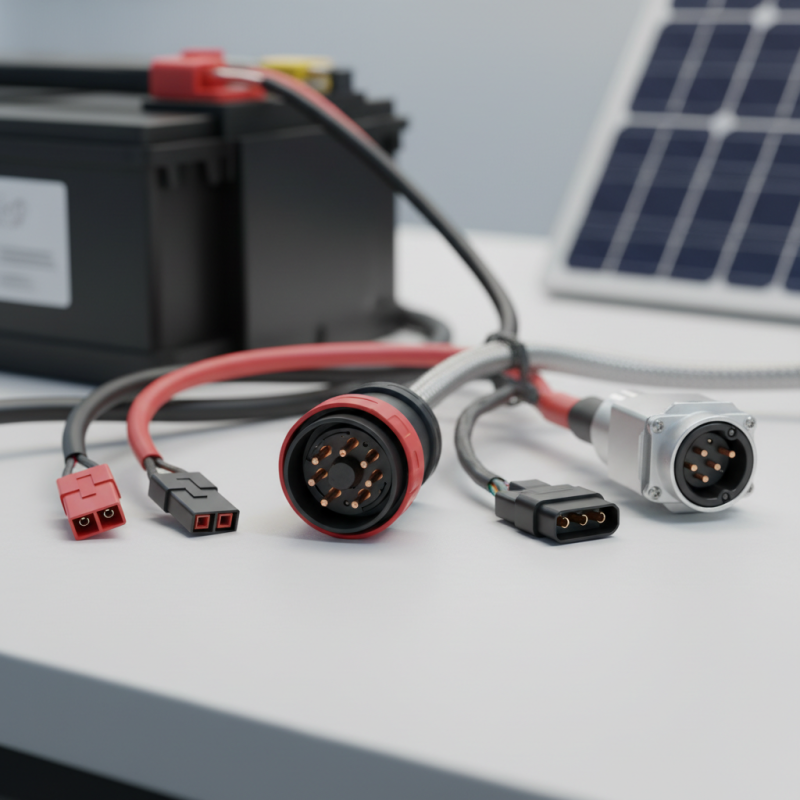
Understanding Different Types of Battery Connectors Available in the Market
When selecting a battery connector, understanding the variety available is crucial. Common types include JST, Anderson, and XT60 connectors. JST connectors are compact and popular in small devices. They are widely used in hobby electronics. However, they may not handle high currents well.
Anderson connectors are robust and designed for higher power applications. They are known for their genderless design, which makes connecting them easier. Use these in electric vehicles or solar applications. Still, they can be bulky, which might not suit all projects.
XT60 connectors are a favorite for drones and RC vehicles. They provide a secure connection and can handle significant current loads. While they excel in performance, their rigid design can make wiring in tight spaces challenging. Understanding these names is a step toward making an informed choice, yet each option has unique pros and cons to consider carefully.
Key Factors to Consider When Selecting a Battery Connector
Choosing the right battery connector is crucial in various applications, from consumer electronics to electric vehicles. Key factors to consider include the connector's amperage, voltage rating, and materials used in construction. For instance, connectors rated only for low amperage may fail in high-demand scenarios. Reports show that connectors that don't meet amperage needs contribute to 30% of device failures in the industry.
The environment in which the connector will operate is also important. If exposed to moisture or extreme temperatures, connectors with appropriate sealing and insulation are essential. A study indicated that improper environmental ratings significantly reduce connector lifespan, often by up to 50%. Designers must also consider ease of connection and disconnection, as frequent use can wear down connectors if not designed for durability.
Lastly, compliance with safety standards is not optional. However, many overlook this, which can lead to unsafe conditions. Evaluating certifications related to safety and reliability can prevent future issues. Reliable connectors can ultimately save time and costs linked to replacements and repairs. Thoughtful selection leads to better performance and longevity, helping avoid common pitfalls in battery connectivity.
Evaluating Electrical Ratings and Compatibility Requirements
Choosing the right battery connector requires careful evaluation of electrical ratings and compatibility. Understanding voltage and current ratings is essential. Most connectors will have a voltage rating, often measured in volts (V), indicating the maximum voltage they can handle. Common values range from 12V to 600V. Current ratings are also crucial, with connectors typically rated in amperes (A). For example, connectors used in automotive applications may need to support 30A or more.
Compatibility is another key factor. Consider the specific application and what type of battery you'll use. For instance, lithium-ion batteries often require connectors that can safely handle their higher discharge rates. Various materials and designs can also affect performance.
Tip: Always check manufacturer specifications to ensure compatibility.
The connection environment plays a role too. Operating temperature, humidity, and exposure to chemicals can influence connector lifespan. For example, connectors in marine settings should provide sealing against the elements.
Tip: Consult industry standards, like those from the IEC or UL, for reliable safety guidelines.
While many products meet basic requirements, be mindful of misapplications. Re-examine your choices regularly. A connector suitable today may not fit future needs, especially with evolving technologies.
Assessing Environmental Conditions and Durability Needs
When choosing a battery connector, consider the environmental conditions where it will be used. Extreme temperatures, humidity, and exposure to dust or chemicals can impact the connector's performance and lifespan. Select a connector designed to withstand these elements. It should have a robust design that protects against corrosion and moisture.
Tips: Always check the connector's rating for environmental factors. This includes temperature ranges and IP (Ingress Protection) ratings. These details can guide you in making an informed choice.
Durability is also crucial. Battery connectors face wear and tear over time. Reinforced materials can enhance their lifespan. Look for connectors with high cycle ratings. This ensures they can endure repeated connect and disconnect operations without failure.
Tips: If you're in a high-stress environment, consider using connectors that offer locking mechanisms. This can prevent accidental disconnection during operation. Always evaluate the connector after extended use. Ensure it meets your long-term reliability needs.
Installation and Maintenance Tips for Battery Connectors
Choosing the right battery connector requires understanding your installation needs. Proper installation and maintenance can significantly extend the lifespan of connectors. Begin with selecting connectors that suit your battery type. Different applications might demand distinct connector designs, including push-on, screw-type, or soldering options. Always ensure connectors match the current and voltage specifications of your system.
When installing, clean the battery terminals thoroughly. Dirt and corrosion can hinder a proper connection. Use a wire brush to remove any debris. Once your connectors are in place, apply a small amount of dielectric grease. This helps prevent further corrosion. Regularly check connections for signs of wear or damage. If you notice fraying wires or discoloration, it’s time to replace them.
Maintaining your connectors is also key. Inspect them at least every few months. Look for signs of wear. Tighten loose connections, but don’t over-tighten. This can lead to damage. Moreover, keep connectors dry and protected from harsh elements. Weather can cause wear over time. Sometimes, despite best efforts, a connector may fail unexpectedly. A well-planned maintenance routine can mitigate these issues and enhance reliability.