How to Choose the Best Undermount Kitchen Sink
An Undermount Kitchen Sink sits beneath the countertop, leaving a clean edge and making crumbs easier to sweep into the basin. That small design detail affects more than appearance. Bowl size, cabinet width, countertop material, drain position, and installation quality all influence whether the sink feels practical after months of use. A deep basin can hide dishes, but it may strain your back or leave less room below. Details matter. Not just looks.
Choosing well starts with the way you cook and clean. A household that washes large pans needs different space from someone who mostly uses a dishwasher. Measure the base cabinet, check faucet and disposal clearances, and consider whether one large bowl or two smaller bowls suits your routine. Stainless steel is forgiving and widely available; fireclay and composite options offer different looks, weights, and care needs. Confirm that the countertop can support the sink and that the installer follows the manufacturer’s mounting instructions. Ask about warranty coverage, too.
This guide compares materials, sizes, configurations, and costs, then explains what to verify before buying. It cannot predict every daily annoyance. A beautiful basin may still splash, feel crowded, or collect water near its corners. Looking closely at real measurements—and your own habits—helps narrow the choices. The best fit is not always the most expensive one. It’s the sink you can use comfortably, clean reliably, and maintain without surprises.
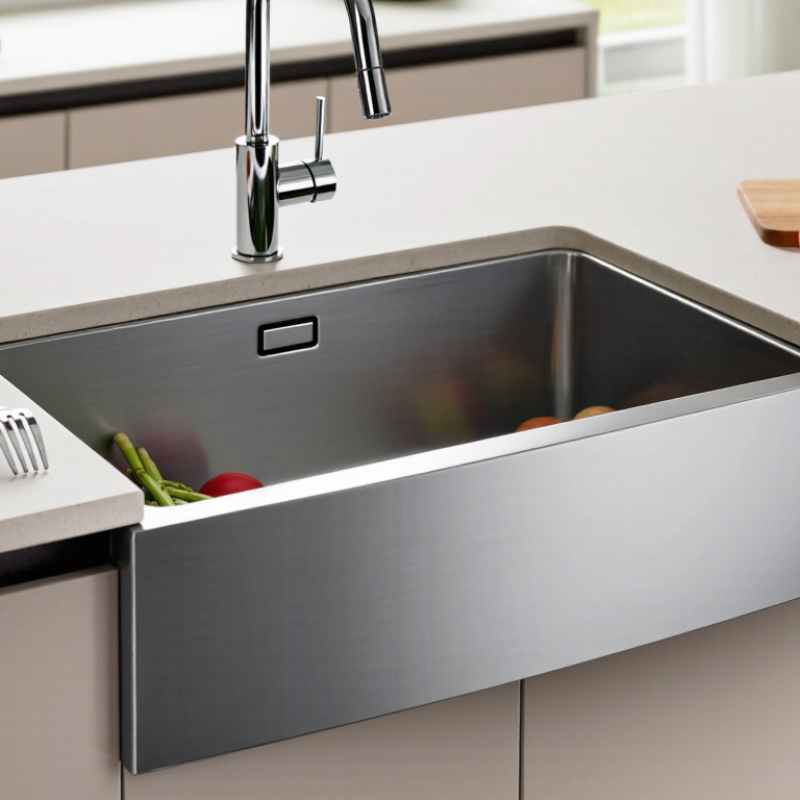
Understand Undermount Sink Design and Installation Requirements
An undermount sink sits below the countertop, leaving a smooth edge that makes crumbs easier to sweep into the basin. The countertop opening must be cut accurately, and its exposed edge should resist moisture. Stone and other solid-surface counters are common choices; standard laminate usually needs a specially designed installation. Check the sink’s dimensions against the cabinet, too. A deep basin can conflict with drawers, a disposal unit, or plumbing. Small clearances matter.
Tips: Measure twice. Confirm the cutout, faucet reach, and cabinet space before ordering. Ask who will provide the support system and seal the rim. Clips, rails, or brackets may be needed to carry the sink’s weight; silicone alone should not be treated as structural support. Follow the sink and countertop instructions.
Installation details vary. The counter fabricator and installer should agree on the reveal—the amount of sink rim visible around the opening—and the support method. A positive reveal exposes a little rim; a zero reveal aligns the edges. Neither is automatically best. One detail is easy to overlook: wet dishes and a full basin add weight. I would not guess at the support plan. Confirm it before the countertop is fitted, since correcting a poor cut or weak support can be costly.
Measure the Cabinet and Choose a Suitable Sink Size
Measure the sink base cabinet before comparing undermount sinks. Open the doors and measure the clear width between the cabinet sides, not the outside width. Check the depth from the back wall to the cabinet front, and note rails, drawers, and plumbing that may limit the basin. Then compare your measurements with the sink’s specified minimum cabinet size. A sink can fit the countertop opening yet still interfere with a drawer or drain.
Choose a basin that leaves enough room for its mounting hardware and plumbing. Follow the manufacturer’s cut sheet; do not estimate the countertop cutout from the sink’s outer dimensions. Also consider how the sink affects movement nearby. The National Kitchen & Bath Association’s 2023 Kitchen Planning Guidelines recommend a work aisle of at least 42 inches for one cook and 48 inches for two. A deeper or wider bowl may be useful, but it can crowd a narrow work area. Measure twice.
Tips: Use painter’s tape to mark the proposed basin on the counter, then open nearby doors and drawers. Measure drain and disposal clearance below the cabinet, too. A cardboard template helps, but it cannot show every pipe or mounting clip. Recheck those details with the installer before ordering. The small awkward parts matter.
How to Choose the Best Undermount Kitchen Sink
Measure the cabinet’s inside width, then use this planning estimate to compare cabinet width with a suitable sink width.
The estimates leave about 1.5 inches of clearance on each side of the sink. This is a sizing guideline, not a universal installation rule: check the sink manufacturer’s minimum cabinet-width requirement and confirm the cabinet, countertop cutout, and plumbing clearances before buying.
Compare Sink Materials, Durability, and Maintenance Needs
For an undermount sink, compare the bowl material with your daily routine, not just its showroom finish. Stainless steel is forgiving, relatively light, and easy to clean, though water spots and utensil noise can show. The Nickel Institute’s technical guidance describes Type 304 stainless steel as typically containing about 18% chromium and 8% nickel, a composition associated with corrosion resistance. Check the specification, not merely a seller’s use of “stainless.” Small detail. Still matters.
Composite sinks often hide scratches and come in muted colors, but abrasive cleaners may dull the surface. Their exact mineral and resin mix varies, so follow the maker’s care instructions. Enamel-coated cast iron resists staining, yet a dropped pan can chip its coating. It is also heavy; confirm the cabinet and countertop can support the filled sink. Fireclay has a solid, glossy surface, but hard impacts can chip it, and its weight also warrants support checks.
ASTM A240 covers chromium and chromium-nickel stainless-steel plate, sheet, and strip; it is a useful material reference, not a guarantee of sink performance. Ask about steel grade, coating repair, and recommended cleaners before buying. At home, test maintenance realistically: wipe a sample with your usual cloth, then inspect it under bright light. One imperfect point: no finish stays spotless in a busy kitchen. A dark composite may show mineral residue, while brushed steel can conceal it.
Select a Bowl Configuration and Useful Sink Features
Choose a bowl layout around the work you do most. A single, deep bowl can fit a roasting pan flat, but it leaves no separate space for rinsing. A divided bowl helps separate prep and cleanup, though its divider can make wide cookware awkward. Check the cabinet’s interior width and sink depth before choosing; a deep basin may reduce comfortable storage below. Houzz’s 2024 U.S. Kitchen Trends Study reported that 87% of renovating homeowners replaced their kitchen sink, underlining how common this decision is. The figure describes remodelers, not all households, so treat it as context rather than a rule.
Useful features should solve specific daily annoyances. A rear-set drain can leave more usable cabinet space, while a sloped basin helps water reach the drain. Sound-dampening pads can soften the clatter of dishes. Look for rounded interior corners if you want easier wipe-downs, and confirm accessories fit the bowl rather than assuming they are universal. Small details matter.
Tips: Measure your largest pan, then test the bowl dimensions on paper. If you often wash dishes by hand, compare divided and single-bowl layouts in person. A ledge for a cutting board or drying rack can be handy, but it may collect crumbs and needs regular cleaning. I’d weigh that trade-off carefully; convenient features are not always convenient to maintain.
Check Faucet, Drainage, and Mounting Compatibility
Before ordering an undermount sink, compare its faucet holes with the faucet’s installation requirements. Many sinks have no pre-drilled holes, so the faucet may need to mount through the countertop. Check the countertop’s thickness and the space beneath it, too. A tall faucet handle can hit a window trim or backsplash when turned. Measure the faucet’s reach against the sink bowl; a short spout may leave water splashing near the rim. Houzz’s 2024 U.S. Kitchen Trends Study reports that 75% of renovating homeowners replaced their kitchen sink, making compatibility a practical part of a common upgrade.
Small details matter. Confirm that the sink’s drain opening lines up with the existing waste pipe and disposer, if installed. A slight offset can require new plumbing, not just a different drain fitting. Check cabinet clearance for the bowl depth, clips, and any accessories. For undermount installation, the countertop must support the sink securely, and the installer should seal the rim against water. Ask the fabricator to verify the cutout against the sink’s template before cutting. Templates can still be misread, so check the model and dimensions twice. A tape measure helps, but it cannot reveal every obstruction behind a cabinet wall.