Why Choose UHF RFID Textile for Your Business Needs?
In today's competitive market, businesses are continually seeking innovative solutions to improve efficiency and track assets. One such solution is uhf rfid textile. This technology integrates radio-frequency identification into fabric, enabling seamless inventory management and real-time tracking. Imagine a retail environment where garments are automatically scanned as they move through the supply chain. This not only saves time but also reduces human error.
UHF RFID textile offers unique advantages across various industries. It enhances visibility and accuracy in inventory processes, which is crucial for businesses operating at scale. A simple tag can provide detailed information about a product, including its location and status. However, some companies may hesitate to adopt this technology due to associated costs or complexity. It's essential to assess the return on investment, as well as the operational changes required for successful integration.
Ultimately, UHF RFID textile is not just about technology; it’s about transforming how businesses operate. The benefits can be substantial, yet deployment requires thoughtful consideration. As organizations grapple with these challenges, they can unlock significant value and gain a competitive edge.
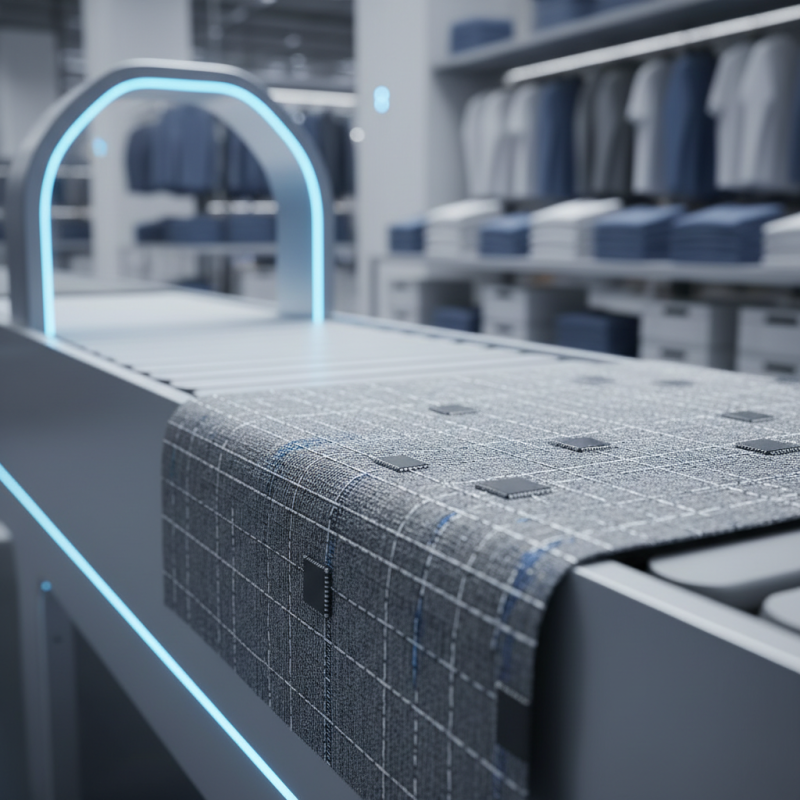
Understanding UHF RFID Technology and Its Benefits
UHF RFID technology revolutionizes how businesses manage assets and inventory. It allows for fast and efficient tracking of textiles. This technology utilizes radio waves to transmit data from tags to readers. The range can extend up to 12 meters, making it versatile for various environments. Businesses can seamlessly integrate this system into their operations.
Implementing UHF RFID in textiles improves accuracy. Manual inventory counts often lead to errors. In contrast, RFID systems reduce human intervention. These systems offer real-time visibility. Companies can monitor stock levels more effectively. However, not all textile materials work well with RFID tags. Some fabrics may interfere with signal strength. This complexity can cause operational challenges that need addressing.
Moreover, the cost of implementing UHF RFID systems can be substantial. Initial investment includes hardware and training. Companies need to weigh these costs against potential savings. Conducting a thorough assessment is critical. It ensures that the benefits align with business goals. Adopting this technology is a commitment. It requires reflection on long-term strategies and operational efficiency.
Key Advantages of UHF RFID Textiles for Businesses
UHF RFID textiles are revolutionizing the business landscape. These innovative fabrics integrate radio frequency identification technology into everyday materials. This offers numerous benefits for companies looking to enhance efficiency and reduce costs.
One of the main advantages is improved inventory management. With UHF RFID textiles, businesses can track stocks accurately in real-time. This minimizes stock discrepancies and ensures products are always available. Additionally, this technology simplifies the supply chain. Items can be scanned quickly, reducing human error during logistics. However, implementing this system may require training and can add to initial costs.
Moreover, UHF RFID textiles enhance customer experience. Personalization becomes possible, as businesses can tailor services based on accurate data. Shoppers enjoy faster checkouts and more informed staff. Yet, privacy concerns must always be addressed. Transparency about data usage is essential to maintain trust. Balancing innovation with respect for privacy creates a more sustainable business model.
Applications of UHF RFID in the Textile Industry
UHF RFID technology has transformed various aspects of the textile industry. This system enhances inventory management, improving accuracy and reducing errors. By using UHF RFID tags, businesses can track individual items in real-time. For instance, a retailer can pinpoint the exact location of a shirt on the rack. This level of precision optimizes stock levels and minimizes lost sales.
In addition to inventory control, UHF RFID aids in supply chain management. It streamlines the entire process from the manufacturer to the consumer. When items arrive at a distribution center, RFID scans allow for quick verification of shipments. This speeds up the process and ensures correct stock distribution. The textiles involved, like clothing and fabrics, can easily be monitored throughout their journey.
However, adopting UHF RFID is not without challenges. Initial costs can be high, and integration may require significant changes to existing systems. Some businesses may face pushback from staff who are hesitant to embrace new technology. Despite these hurdles, the benefits for efficiency and accuracy in the textile industry are clear.
Cost-Effectiveness and ROI of Implementing UHF RFID Solutions
Implementing UHF RFID solutions can significantly enhance cost-effectiveness for your business. These systems automate inventory management, reducing manual labor hours. This creates immediate savings. Furthermore, fewer errors lead to less waste and better stock control. With accurate tracking, businesses can respond quickly to demand changes. This flexibility can improve profit margins over time.
Return on investment (ROI) with UHF RFID isn’t just theoretical. Companies often see a measurable impact within a year of implementing such technology. The initial setup costs may seem steep, but the long-term benefits outweigh these investments. Consider the reduced losses from misplaced items or expired stock. These tangible improvements boost the bottom line.
However, businesses must carefully assess their specific needs. Not all industries benefit equally from UHF RFID. Sometimes, expected outcomes do not materialize quickly. Proper training and integration are critical. If overlooked, inaccuracy can lead to potential setbacks. Reviewing performance metrics regularly helps ensure the system's effectiveness. Balancing expectation with reality is key for a successful implementation.
Choosing the Right UHF RFID Textile Provider for Your Needs
When selecting a UHF RFID textile provider, expertise matters. Look for companies with a track record in the industry. A reliable provider will have in-depth knowledge of materials and technologies. Experience ensures they can navigate challenges, offering practical solutions.
Consider the provider's range of products. A diverse portfolio indicates flexibility. It shows they can cater to specialized needs. Pay attention to customer feedback and case studies as well. This helps assess their reliability and service quality. A thoughtful choice can lead to significant improvements in your business operations.
Pricing is another critical factor. It's essential to balance cost with quality. In some cases, cheaper options may compromise performance. Seek a provider who values quality and offers transparent pricing structures. Reflect on your specific needs and goals to make an enlightened decision.
Why Choose UHF RFID Textile for Your Business Needs?
| Feature | Description | Benefits |
| Durability | UHF RFID textiles are designed to withstand harsh conditions and environments. | They provide long-term tracking solutions without degradation. |
| Read Range | UHF RFID offers a read range of up to several meters. | This ability streamlines operations by reducing manual scanning. |
| Cost Efficiency | Reduces labor costs associated with inventory management. | Maximizes overall profitability and return on investment. |
| Automation | Facilitates automated inventory tracking and workflow optimization. | Enhances operational efficiency and accuracy. |
| Customization | Various options available for different industry requirements. | Provides tailored solutions that fit business needs perfectly. |