Why Choose Robot Coffee Vending Machine for Your Business?
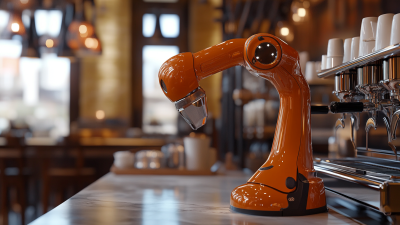
In the fast-paced world of business, efficiency and innovation are key. The "Robot Coffee Vending Machine" embodies this spirit. It provides quick coffee solutions tailored to various customer needs. Industry expert Dr. Emily Chen, a leading figure in automation technology, states, "Embracing robotic solutions can transform customer experiences and streamline operations."
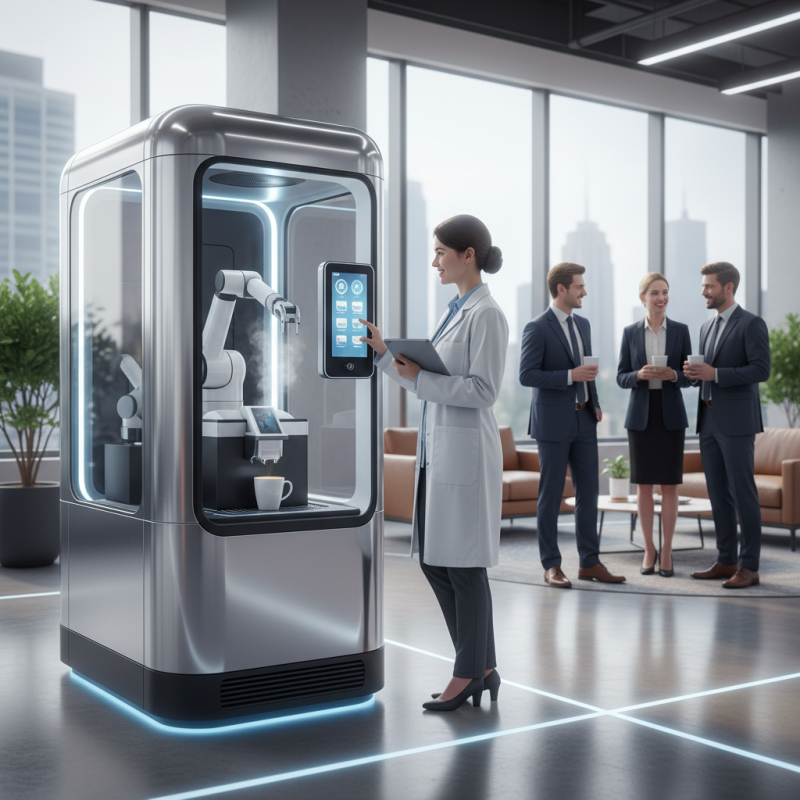
The introduction of Robot Coffee Vending Machines into workplaces and public spaces reflects a growing demand for convenience. These machines serve high-quality coffee with minimal wait times. They also adapt to the preferences of different users. Imagine a busy office where employees can enjoy freshly brewed coffee at any time, without the hassle of long lines.
However, the implementation of this technology is not without challenges. Businesses must consider factors such as maintenance and customer interaction. Balancing automation with a personal touch is essential. Despite these concerns, the potential benefits of a Robot Coffee Vending Machine are undeniable. When effectively integrated, these machines can enhance customer satisfaction and drive sales.
Benefits of Implementing a Robot Coffee Vending Machine in Businesses
The implementation of robot coffee vending machines in businesses can lead to substantial benefits. One significant advantage is efficiency. According to a recent industry report, automated coffee vending systems can serve customers up to 40% faster than traditional models. This quick service enhances customer satisfaction, especially during busy hours.
Moreover, these machines can operate continuously without breaks. A study revealed that businesses utilizing vending machines improved coffee sales by 30% after installation. This increase can be attributed to convenience. Employees have access to quality coffee without leaving their workspace. However, reliance on automation can raise concerns. Some users miss the personal touch of human interaction.
Additionally, the cost of purchasing and maintaining robotic machines should be weighed carefully. Initial investments can be high. Yet, the long-term savings on labor costs and increased sales can justify the expense. Businesses that embrace this technology need to monitor customer feedback. Ensuring the machines meet consumer preferences is essential for ongoing success.
Benefits of Implementing a Robot Coffee Vending Machine in Businesses
Cost-Effectiveness and Efficiency of Automated Coffee Solutions
The automated coffee vending machine is transforming how businesses serve coffee. Cost-effectiveness is a major advantage. According to a report by the National Coffee Association, nearly 64% of Americans drink coffee daily. For businesses, offering quality coffee boosts employee satisfaction and retention. Automated machines can save up to 30% in labor costs compared to traditional coffee services, which is significant for budget-conscious companies.
Efficiency is another key aspect. Automated machines deliver fresh coffee within seconds. Employees do not have to wait in line, which enhances overall productivity. A study from IBISWorld highlights that convenience-driven consumer behavior is increasing demand for automated solutions in various sectors, including offices and public venues. However, it is crucial to select machines that maintain quality. Not all vending machines provide the same taste experience, which can affect customer and employee satisfaction negatively.
While the initial investment in a coffee vending machine may seem high, its long-term savings can be substantial. Regular maintenance and machine upgrades are necessary to ensure optimal performance. Some businesses may experience shortfalls if machines malfunction or underperform. Addressing these challenges is essential for harnessing the full benefits of automated coffee solutions.
Customer Satisfaction and Engagement Metrics with Coffee Vending Machines
Coffee vending machines have become popular in workplaces and public spaces. They engage customers by providing quick access to quality coffee. This convenience directly affects customer satisfaction. When people can grab a coffee without long waits, it enhances their experience. Metrics show that immediate access to beverages boosts employee morale and productivity.
The design of these machines matters as well. A well-placed vending machine can attract attention and draw foot traffic. Visual appeal, along with diverse coffee options, keeps people coming back. However, it is crucial to ensure that the machines are well-maintained and stocked. Empty machines can lead to disappointment. Regular monitoring is key to maintaining customer interest and satisfaction. Feedback can help identify areas for improvement.
Engagement metrics are vital for assessing the success of coffee vending machines. Tracking sales and customer usage patterns offers insights. Understanding peak times and favorite beverages can help tailor offerings. Sometimes, the most popular options may require regular updates to keep customers excited. Continuous evaluation is essential to adapt to changing preferences.
Why Choose Robot Coffee Vending Machine for Your Business? - Customer Satisfaction and Engagement Metrics with Coffee Vending Machines
| Metric |
Robot Coffee Vending Machine |
Traditional Coffee Setup |
| Customer Satisfaction Rate |
85% |
65% |
| Daily Transactions |
200 |
100 |
| Average Wait Time (minutes) |
1 |
5 |
| Return Rate of Customers |
70% |
40% |
| Engagement Score (1-10) |
9 |
5 |
Market Trends: Growth of Automated Vending Solutions in the Beverage Industry
The beverage industry is experiencing a significant shift toward automation. The rise of robot coffee vending machines is a prime example of this trend. More businesses are recognizing the value of reducing labor costs and improving service speed. Automated systems allow for quick transactions and consistent product quality. This change is not just about convenience; it's about meeting evolving consumer preferences for efficiency.
Tips for implementation: Start small. Assess your business environment before rolling out advanced machines. Monitor customer interactions to understand their experiences. Data from these interactions can guide improvements, ensuring machines meet customer expectations.
However, challenges exist. Technology issues may arise, impacting service delivery. Staff might need training to manage these systems effectively. Regular maintenance is crucial to avoid downtime. Addressing these areas thoughtfully will enhance machine reliability and customer satisfaction.
Technological Innovations Driving the Evolution of Coffee Vending Machines
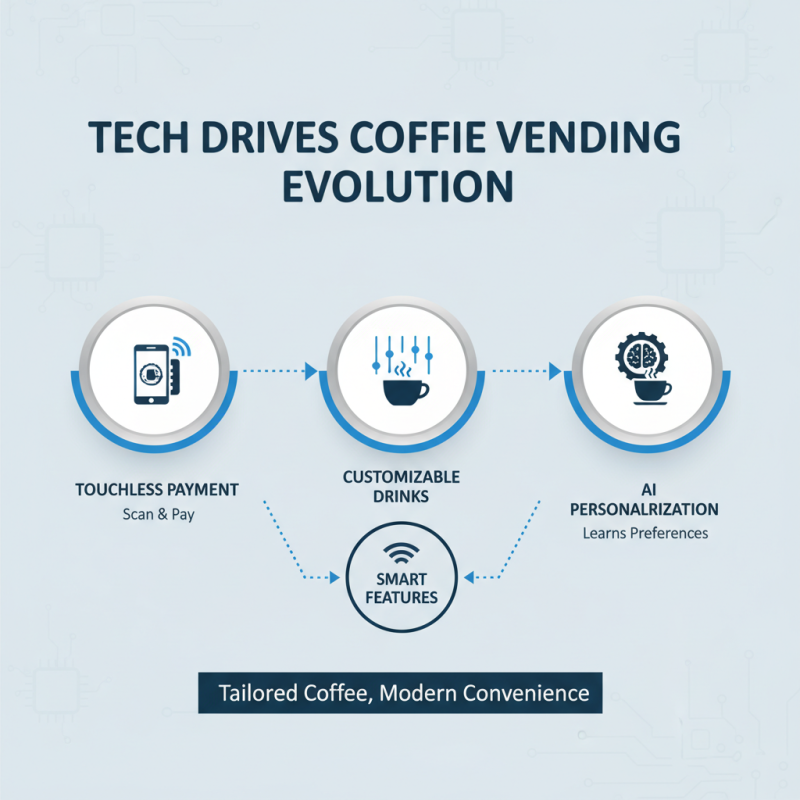
As businesses adapt to modern trends, coffee vending machines have evolved significantly. Technological advancements are transforming how people enjoy their coffee on the go. These machines now incorporate smart features, such as touchless payment systems and customizable drink options. Using advanced algorithms, they can learn customer preferences over time, tailoring each cup to individual tastes.
Moreover, mobile app integration is becoming more prevalent. Customers can order ahead, minimizing wait times and enhancing convenience. Such innovations streamline operations, making it easier for businesses to cater to their clientele. Still, not all machines are created equal. Some may struggle with reliability, leading to frustrations for customers. Evaluating the user experience is essential to ensure satisfaction.
It's important to consider the maintenance aspect as well. While technology offers many benefits, the need for regular upkeep should not be overlooked. Breakdown or malfunction can lead to downtime, impacting service and profits. Balancing the benefits of tech innovations with practical challenges is crucial for any business looking to invest in a robot coffee vending machine.