7 Best Certified Translation Services for Global Buyers
A document can cross borders in seconds; its meaning must travel just as clearly. Global buyers often need translated contracts, product records, academic transcripts, or personal documents for review by an institution or business partner. Certified translation adds a signed statement of accuracy, but requirements can vary between recipients. A polished file is not always enough. Check what the receiving organization asks for before placing an order.
This guide compares seven certified translation services through practical details buyers can verify: language coverage, translator qualifications, review steps, delivery options, pricing clarity, and support. A scanned stamp, a clear certification statement, and consistent names or dates can all matter. So can a secure upload process. Small details count. The right provider should explain its process plainly, flag unclear source text, and tell you what its service does not include. Turnaround promises deserve a closer look, especially when a deadline is tight.
No service is perfect for every document or budget. A low quote may exclude formatting or revisions, while the fastest option may not suit a complex file. I would compare the final deliverable, not just the headline price. The providers below offer different strengths, and their fit depends on your destination, document type, and recipient’s instructions. Use the comparison as a starting point, then confirm current requirements directly. That extra check can prevent an avoidable delay.
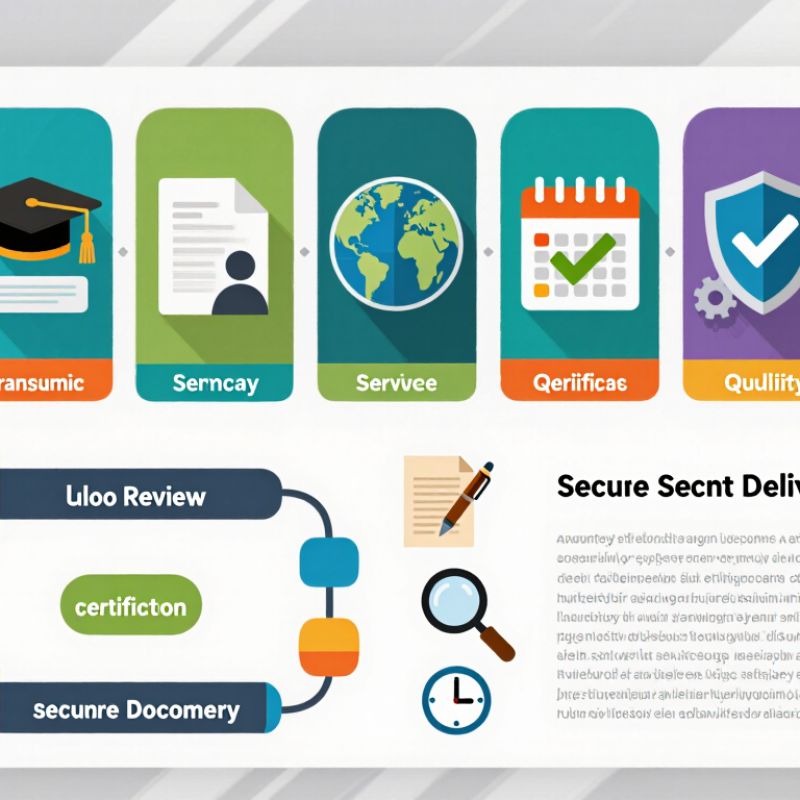
Certified Translation Explained: ISO 17100 and Country-Specific Requirements
Certified translation is not one universal format. ISO 17100:2015 sets requirements for translation workflows, translator competence, revision, and project management. It helps buyers assess how a provider works, but it does not guarantee that every authority will accept a translation. The standard is a process benchmark, not a passport.
Requirements vary by destination and institution. For example, U.S. immigration submissions generally require a complete English translation and a translator’s certification of accuracy and competence. Other offices may ask for a signed statement, contact details, notarization, or a specific layout. A clear seal can look reassuring; it may still be the wrong seal. CSA Research’s survey of 8,709 consumers across 29 countries found that 76% preferred product information in their own language, underscoring why accurate localization matters beyond paperwork. Still, a preference survey cannot predict whether a document will pass an official review.
Tips: Before ordering, ask the receiving office which format it accepts, then share those instructions with the translator. Check names, dates, stamps, and handwritten notes against the original. Keep a scanned copy of every page. Small details get missed. And even a careful checklist can leave one question unanswered, so confirm unusual requirements directly with the institution.
Buyer Demand: 76% Prefer Product Information in Their Own Language (CSA Research, 2020)
CSA Research reported in 2020 that 76% of buyers prefer product information in their own language. That preference affects real decisions. A shopper comparing two coffee makers may need clear details about voltage, cleaning, warranty coverage, and setup. If those instructions feel confusing, confidence can drop. Small details matter.
Certified translation services can help businesses prepare product documents with consistent terminology and careful review. Certification may be important for certain official documents, but it is not automatically required for every product page. Requirements depend on the document’s purpose and recipient. Ask providers how they check technical terms, preserve tables and labels, and review translated text. A useful sample can reveal whether measurements, warnings, and button names remain clear. It can also expose awkward wording. That part gets overlooked.
The 76% figure signals a preference, not a guarantee that translation alone will increase sales. Buyers still need accurate specifications, readable layouts, and support that matches the product. Share the intended audience and document type before requesting a quote. Then check a translated instruction page on a phone, not only on a desktop. The smallest text may be the hardest to read.
Quality and Security Checks: Translator Credentials, Review, and Data Protection
Credential checks should go beyond a polished profile. Ask for translators’ training, subject-area experience, and relevant certifications. Requirements vary by language and assignment. ISO 17100 sets process requirements for translation services, including qualified translators and independent revision. It is a useful benchmark, not proof that every sentence is flawless. Credentials matter. The 2020 Can’t Read, Won’t Buy study surveyed 8,709 consumers across 29 countries; 76% preferred product information in their own language. That preference makes careful review commercially important, not merely cosmetic.
Request a sample review workflow: who checks terminology, how changes are tracked, and who approves the final file. For confidential documents, ask about encryption, limited staff access, secure file transfer, and deletion schedules. ISO/IEC 27001 certification can indicate a formal information-security management system, but check its scope and current validity. A certificate alone cannot show how a provider handles your specific files. Small gaps happen. I would also ask whether reviewers work in the target language daily; a neat checklist may still miss local phrasing or a misplaced decimal. Read the privacy terms before uploading anything sensitive.
Choosing for Global Markets: 40% Won’t Buy from Websites in Other Languages (CSA Research, 2020)
Language can decide whether a visitor becomes a buyer.
CSA Research reported in 2020 that 40% of consumers would not buy from websites in other languages.
That figure makes translation a business decision, not a finishing touch. A product page may look polished, yet unfamiliar wording can make prices, delivery details, or return steps feel uncertain. Small doubts matter.
Certified translation services can help with documents that require formal accuracy, but certification alone does not guarantee effective website copy.
Ask who reviews the translation, what subject experience they have, and whether terminology stays consistent across product pages and checkout screens.
A careful reviewer should notice details such as decimal separators, size labels, and whether a button sounds natural to local readers. These checks are practical, not glamorous.
A translation can be accurate and still feel oddly cold.
That distinction matters. Share real examples of your products and customer questions with the translator, then review the result in context—not just in a spreadsheet.
Read the checkout instructions aloud. Ask a local reviewer where the wording feels stiff or confusing.
Teams can miss things, even with good processes; that is a reason to test, revise, and keep listening.