Best Cast Stainless Steel Applications and Benefits?
The versatility of cast stainless steel has made it a staple in various industries. Renowned materials expert Dr. Sarah J. Thompson remarks, “Cast stainless steel is an innovation that combines durability with impressive resistance.” This unique material can withstand harsh environments while offering aesthetic appeal.
In applications ranging from automotive parts to kitchen equipment, cast stainless steel proves its worth. It is not just strong; it offers longevity. However, challenges exist. Some industries find it difficult to source high-quality cast stainless steel. This can lead to inconsistencies and product failures.
Despite these hurdles, the benefits are often undeniable. Engineers appreciate the ease of machining and fabrication. Many have found it essential in creating complex shapes and structures. But even with its advantages, cast stainless steel requires careful consideration of design and application. The journey towards perfection in utilizing this material is ongoing.
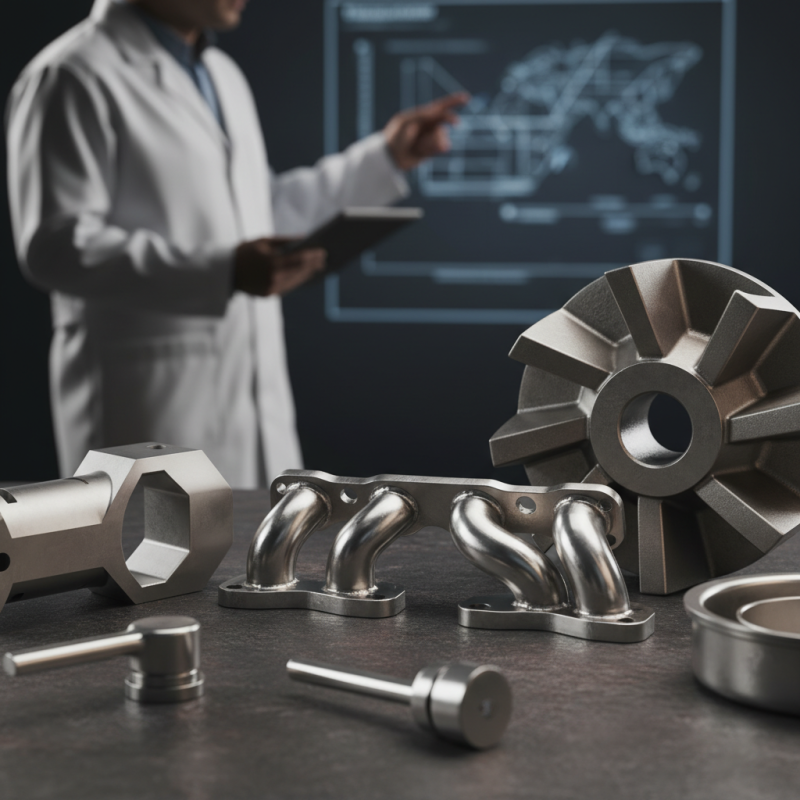
Applications of Cast Stainless Steel in Various Industries
Cast stainless steel is widely used across various industries due to its unique properties. It is resistant to corrosion and can withstand high temperatures. This makes it a preferred choice in the chemical and petrochemical sectors. Equipment such as valves and pumps often utilize cast stainless steel for longevity and efficiency.
In the food processing industry, cast stainless steel components are indispensable. They ensure hygiene and durability in manufacturing processes. However, while these materials excel in many areas, they can sometimes be more expensive than alternatives. This cost factor may lead to hesitations in smaller operations.
In the construction industry, cast stainless steel is favored for architectural applications. Its strength offers support for structures, while the aesthetic appeal shines through. Despite its advantages, installation mistakes can occur. These missteps may lead to structural issues or increased repair costs. Recognizing these potential pitfalls is crucial for any project managing cast stainless steel applications.
Key Benefits of Using Cast Stainless Steel Materials
Cast stainless steel offers numerous advantages that make it a preferred choice in various industries. One of the key benefits is its corrosion resistance. According to industry reports, over 70% of stainless steel users appreciate its ability to withstand harsh environments. This property extends the lifespan of components significantly, reducing replacement costs over time.
Another significant advantage is its strength and durability. Cast stainless steel exhibits excellent mechanical properties, providing reliability in structural applications. Reports indicate that cast stainless steel can handle temperatures up to 1500°F without losing integrity. However, the manufacturing process can introduce imperfections, such as micro-cracks. These imperfections require careful inspection and testing, which can add to project timelines.
In addition to strength, cast stainless steel allows for complex shapes. This flexibility enables more innovative designs, especially in architectural applications. Despite its benefits, the higher initial cost may deter some companies. Finding the balance between upfront costs and long-term savings is essential.
Comparative Analysis: Cast Stainless Steel vs. Other Alloys
Cast stainless steel stands out for its unique properties. It offers excellent corrosion resistance and can tolerate high temperatures. According to a recent industry report, cast stainless steel shows a durability increase of up to 60% compared to carbon steel. This durability is crucial in demanding environments such as chemical processing and food manufacturing. Different grades exhibit variations in resistance, which can affect application suitability.
However, compared to other alloys, cast stainless steel often has a higher initial cost. Its manufacturing process can also lead to imperfections, such as porosity or inclusions. These defects may require additional quality control, increasing production time. A study noted that while cast stainless steel is suitable for intricate designs, machining can be more challenging compared to simpler alloys like aluminum. Ultimately, understanding these nuances can guide manufacturers in making informed choices for specific applications.
Manufacturing Processes for Cast Stainless Steel Components
Cast stainless steel is known for its durability and resistance to corrosion. It undergoes various manufacturing processes before becoming a final product. Castings are made by pouring molten metal into a mold. The cooling process solidifies the metal into the desired shape.
Sand casting is a popular method due to its simplicity. This technique allows for intricate designs. However, the finish may not be as smooth as other methods. Investment casting, on the other hand, offers superior precision. This process involves creating a wax model that is coated with ceramic. Once the wax is melted away, molten stainless steel is poured into the mold.
Despite these advantages, challenges remain. Controlling the temperature during casting is crucial. Improper temperature can lead to defects. Once cast, the components may still require machining for better finish and fit. Ensuring quality throughout production requires constant monitoring and adjustments.
Maintenance and Longevity of Cast Stainless Steel Products
Cast stainless steel is known for its durability. Proper maintenance can significantly extend its lifespan. Regular cleaning is essential. A simple solution of soap and water often suffices. However, harsh chemicals can damage the finish. According to industry reports, products with regular maintenance last up to 50% longer than those neglected.
Corrosion resistance plays a crucial role in the longevity of cast stainless steel. In environments with high humidity, this material can still perform well. Research shows that stainless steel with higher nickel content offers better corrosion resistance. Still, over time, some surface corrosion can occur. This can be prevented through periodic inspections and surface treatments.
It’s important to note that not all cast stainless steel alloys are equal. Each has unique properties. Choosing the right alloy based on application is key. Not every project takes this into account, leading to premature failures. Assessing environmental factors can also be overlooked by designers and engineers. Such oversights can lead to costly repairs over time.