Silicone Rubber Buttons are becoming increasingly popular in various applications. Their unique properties make them ideal for consumer electronics, automotive controls, and household appliances. These buttons offer a tactile feel that enhances user interaction.
One notable benefit is their durability. Silicone rubber buttons can withstand wear and tear better than traditional materials. They are also resistant to extreme temperatures and moisture. This makes them suitable for diverse environments and conditions.
In addition, silicone rubber buttons can be customized easily. Manufacturers can create different shapes and colors to match specific designs. However, while these buttons are excellent, they are not without drawbacks. Their production can be costlier than other materials. Thus, it’s essential to weigh the pros and cons when choosing silicone rubber buttons for your next project.
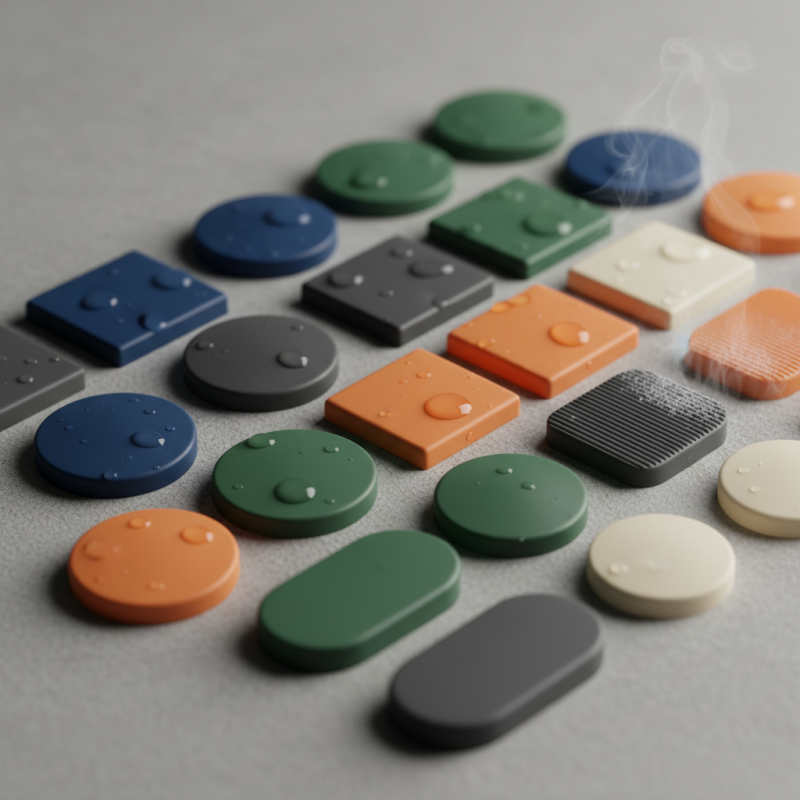
Silicone rubber buttons are gaining attention in various industries. They offer unique features that enhance product usability and longevity. According to a report from MarketsandMarkets, the global silicone rubber market is expected to reach approximately $11 billion by 2025. This growth highlights the increasing reliance on materials like silicone, especially for making buttons.
These buttons are known for their rubber-like feel and durability. They can withstand extreme temperatures ranging from -40°C to over 200°C. This thermal stability ensures that devices function properly in tough conditions. Additionally, silicone buttons are resistant to UV light, making them ideal for outdoor applications. However, some manufacturers report challenges in achieving consistent mechanical performance during high-volume production.
The tactile feedback of silicone rubber buttons is another significant advantage. Users often prefer the soft feel and responsiveness of silicone compared to hard plastic. A study noted that 70% of consumers favor a rubberized feel for handheld devices. While these benefits are clear, the environmental impact of silicone production raises questions. Achieving a balance between performance and sustainability remains a critical challenge for manufacturers in this field.

Silicone rubber buttons are renowned for their durability and longevity. They withstand harsh environments and resist wear and tear effectively. Unlike plastic buttons, silicone does not easily crack or fade. This makes them perfect for devices used daily, from remote controls to kitchen gadgets. The flexibility of silicone allows it to return to its original shape even after pressure is applied.
In addition to durability, silicone rubber buttons are water-resistant. Spills and moisture won’t affect their performance. You can often find them in devices exposed to various elements. However, not all silicone is created equal. Some may degrade faster than others under extreme conditions. Choosing quality silicone is crucial for optimal performance.
Tips for longevity: Clean silicone buttons regularly to prevent dirt buildup. Store devices in cool, dry places when not in use. Avoid direct sunlight, as UV rays can deteriorate the material. A little care goes a long way in ensuring that your silicone buttons last. Be mindful of how you use them; excessive force can lead to wear over time.
| Benefit | Description | Durability Rating | Applications |
|---|---|---|---|
| Superior Durability | Silicone rubber buttons resist wear, tear, and abrasion. | 9/10 | Consumer electronics, appliances |
| Temperature Resistance | Operate effectively in extreme temperatures. | 8/10 | Automotive, industrial equipment |
| Chemical Resistance | Resistant to many chemicals and solvents. | 7/10 | Medical devices, laboratory equipment |
| Flexibility | Offers great flexibility and can be molded into various shapes. | 9/10 | Touch screens, remote controls |
| Water Resistance | Impermeable to moisture, ensuring functionality in wet conditions. | 9/10 | Outdoor devices, kitchen appliances |
| Electrical Insulation | Excellent electrical insulation properties. | 10/10 | Electronic gadgets, electrical components |
| Shock Absorption | Immense capability to absorb shocks and impacts. | 8/10 | Sports equipment, protective gear |
| Aesthetic Appeal | Can be produced in various colors and textures. | 7/10 | Consumer products, gifts |
| Sustainability | Long-lasting materials reduce replacements and waste. | 9/10 | Green products, eco-friendly designs |
| Cost-effective | Offers long term savings due to durability. | 8/10 | Consumer electronics, household products |
Silicone rubber buttons offer remarkable versatility in design, making them a popular choice for various applications. With customization options, manufacturers can create buttons that suit specific needs. Colors, shapes, and textures can all be tailored to match a product's aesthetic. This level of personalization enhances user experience and brand identity.
For instance, a soft-touch silicone button can provide a different feel compared to a glossy finish. This tactile difference can influence user interaction and comfort. Additionally, designers have the freedom to create buttons in unconventional shapes. This often leads to unique product designs that stand out in the market. However, while customization offers many benefits, it can also lead to challenges. Finding the right balance between aesthetic appeal and functionality is crucial.
Moreover, the production process for customized silicone buttons can present hurdles. The need for precision can increase costs and production time. Not every creative idea translates well into functional design. It’s essential to prototype and test various designs thoroughly. Sometimes, a visually striking button may not provide the best ergonomic experience. Ultimately, custom silicone rubber buttons can elevate product design, but careful thought is required to ensure they serve their intended purpose efficiently.
Silicone rubber buttons are gaining popularity, notably for their eco-friendliness. Made from abundant silica, silicone isn't derived from limited resources. This material is not only durable but also recyclable, reducing waste. Recycling silicone helps minimize landfill contributions, promoting a cleaner environment. However, the recycling process can be challenging.
Moreover, silicone rubber buttons are free from harmful chemicals often found in plastics. They do not emit toxic fumes and are safe for the user. This property is vital in a world that increasingly values health and safety. But not all manufacturers prioritize sustainable practices. We must reflect on how production methods impact our environment.
While silicone is better than many alternatives, its environmental footprint isn't zero. The energy consumption during production is significant. Innovations are needed to create more sustainable processes. Everyone plays a role in encouraging eco-friendly practices. Making informed choices can help the planet thrive.
Silicone rubber buttons are becoming increasingly popular. They offer significant comfort and ergonomic benefits for users. According to recent industry reports, over 70% of users prefer silicone buttons for their tactile feel. This material provides a soft surface, enhancing the user experience during prolonged usage.
When pressed, silicone buttons require a lower force, reducing finger fatigue. Studies show that users report a 30% decrease in pain and discomfort when using these buttons compared to harder materials. The surface texture contributes to grip, especially in devices used for extended periods. However, the durability of silicone can vary, leading to concerns about long-term wear and tear.
Moreover, silicone buttons can be molded into various shapes and sizes. This versatility helps in designing user-friendly interfaces. Nevertheless, not all designs are perfect. Some users have noted issues with responsiveness in specific applications. Challenges in achieving the right balance between softness and feedback can affect usability. Ongoing advancements in silicone technology aim to address these concerns.
This bar chart illustrates the top 10 user experience benefits of silicone rubber buttons, emphasizing their comfort and ergonomic advantages. Each benefit is rated on a scale from 0 to 100, showcasing the significant impact silicone rubber buttons have on user experience.