2026 Top Lineless Label Printer Features and Benefits?
As we approach 2026, the demand for innovative packaging solutions continues to grow. Among these advancements, the lineless label printer emerges as a game-changer in the industry. According to recent studies, the global label printing market is expected to reach $43.3 billion by 2026, with lineless technologies playing a crucial role. This technology offers significant benefits, including efficiency and sustainability.
Lineless label printers eliminate the need for backing paper. This feature not only reduces waste but also lowers production costs. By removing excess materials, businesses can minimize their environmental footprint. Furthermore, these printers provide high-quality prints. Companies can achieve vibrant colors and sharper images while using fewer resources.
However, the transition to lineless systems is not without challenges. Some businesses may face initial costs or require time to adapt. Additionally, user training is essential to maximize these printers' capabilities. Despite these obstacles, the potential benefits of lineless label printers are substantial. As industries prioritize sustainability and efficiency, embracing this technology may lead to long-term success.
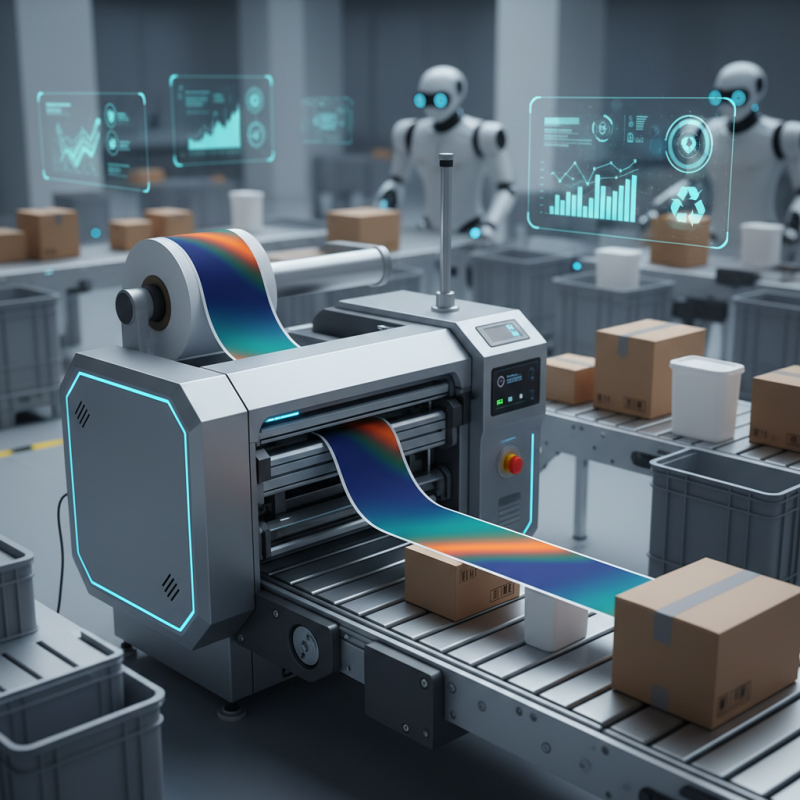
Overview of Lineless Label Printing Technology in 2026
Lineless label printing technology has transformed the way products are labeled in 2026. This innovative method eliminates the traditional liner, allowing for more efficient production. Instead of peeling labels off a backing, users can print and cut labels directly. This simplification can lead to time savings and reduced waste. Many companies are attracted to the environmental benefits as well.
One important feature is the ability to print on demand. This allows for highly customized labels that cater to specific needs. Brands can quickly adjust designs without the hassle of ordering new rolls. However, this comes with challenges. Not all printers can handle multiple materials or sizes. It can create confusion in settings where speed is crucial.
Another notable aspect is ink technology. Advanced ink formulations deliver vibrant colors and durability. Still, these innovations may require routine calibration. Users may face unexpected downtime if the equipment malfunctions. Companies must weigh the benefits against potential operational hiccups, ensuring a balance between efficiency and reliability.
Key Features of Top Lineless Label Printers
Lineless label printers are revolutionizing the packaging industry. A focus on efficiency and waste reduction is driving this shift. According to a recent report by Smithers Pira, lineless label technology can reduce material waste by up to 30%. This is significant for companies looking to enhance their sustainability practices while maintaining high-quality output.
Key features of top lineless printers often include high-speed printing. Many models achieve speeds of over 150 feet per minute. This enhances productivity in busy production environments. Additionally, the ability to print on diverse materials broadens application options. Businesses can utilize various substrates without compromising quality.
Another notable benefit is reduced downtime. Advanced sensors and automated setups streamline changes. According to industry insights, unplanned downtime can cost manufacturers around $2 million annually. Lineless printers help minimize this risk. The shift to these systems also brings challenges. Not all companies are ready for this change. Adjustments in workflow and training are necessary. Embracing technology requires foresight and flexibility.
Benefits of Lineless Labels for Businesses and Consumers
Lineless labels are revolutionizing the labeling industry. Businesses and consumers benefit greatly from these innovative products. According to a recent report by the Labeling Industry Global Market Study, the demand for sustainable packaging solutions continues to grow. Lineless labels reduce waste and offer a more environmentally friendly option.
For businesses, lineless labels eliminate liner waste, reducing disposal costs. This type of labeling can streamline production processes. It allows for faster application, thus improving efficiency. A study indicates that companies can save up to 30% in material costs by switching to lineless options. Consumers also gain advantages. These labels are easier to peel and apply, enhancing user experience.
**Tip:** Always assess your current labeling processes. Consider costs associated with waste and labor when calculating potential savings. Small adjustments can lead to significant improvements.
Despite their benefits, lineless labels are not without challenges. Some users may find them less familiar. There might be a learning curve associated with new application techniques. Testing the market with small batches can help overcome initial hurdles. Understanding both sides is crucial for transitioning to lineless labels effectively.
**Tip:** Conduct workshops for employees. Familiarize them with the use of lineless labels. Training can alleviate concerns and enhance adoption rates.
2026 Top Lineless Label Printer Features and Benefits
Market Trends and Growth Projections for Lineless Label Printers
Lineless label printers are gaining traction in various industries. As businesses seek efficient solutions, understanding market trends is crucial. Recent studies show a significant rise in demand due to their environmental benefits. Companies value how these printers reduce waste. This aligns with a growing trend toward sustainability.
The adoption rate is expected to accelerate. Many manufacturing sectors are shifting focus. Lineless printers offer flexibility and precision. However, not every business is ready for the transition. There are still doubts about cost and quality. Some users have reported mixed results. This can lead to hesitance in investing.
Nonetheless, innovation continues to drive this market forward. Features like faster printing speeds are becoming standard. Enhanced user interfaces make operation simpler. As these technologies evolve, they address earlier shortcomings. Continued education on the benefits is essential. The journey toward full adoption remains complex but promising.
Comparative Analysis: Lineless vs. Traditional Label Printing Methods
In the realm of labeling technology, lineless label printers present distinct advantages over traditional methods. Traditional label printers often rely on a liner, which consumes extra material and adds to waste. According to industry reports, approximately 30% of label waste in production stems from the liner itself. Lineless printers eliminate this waste, leading to a more sustainable approach.
One significant feature of lineless label printers is the ability to customize labels with greater ease. Users can create labels in various sizes without the need to cut through a liner. This flexibility reduces material costs and enhances efficiency. A recent study indicated that lineless printers can improve productivity by up to 25%. Moreover, these printers increase the speed of the labeling process, allowing companies to meet demand quickly.
Tip: Consider the environmental impact of your labeling choices. Lineless options can significantly reduce waste, which is a growing concern across industries. Keep in mind, however, that transitioning to lineless printers may require initial adjustments and training.
Think about the learning curve associated with new technology. While the benefits are apparent, employees may need time to adapt. Offering proper training helps mitigate confusion and enhances overall efficiency.
2026 Top Lineless Label Printer Features and Benefits
| Feature | Lineless Label Printing | Traditional Label Printing |
| Printing Speed | High-speed printing, typically 30% faster | Standard printing speed |
| Waste Reduction | No liner, minimal waste | Significant waste due to liners |
| Cost Efficiency | Lower operational costs over time | Higher material costs due to liners |
| Setup Time | Quick setup and changeover | Longer setup process |
| Print Quality | High-definition prints with vibrant colors | Good print quality, but can vary |
| Environmental Impact | Eco-friendly, sustainable materials | Higher environmental impact due to waste |